Subscribe now

Ancient plant's leaves didn't follow golden rule as modern ones do

15 June 2023

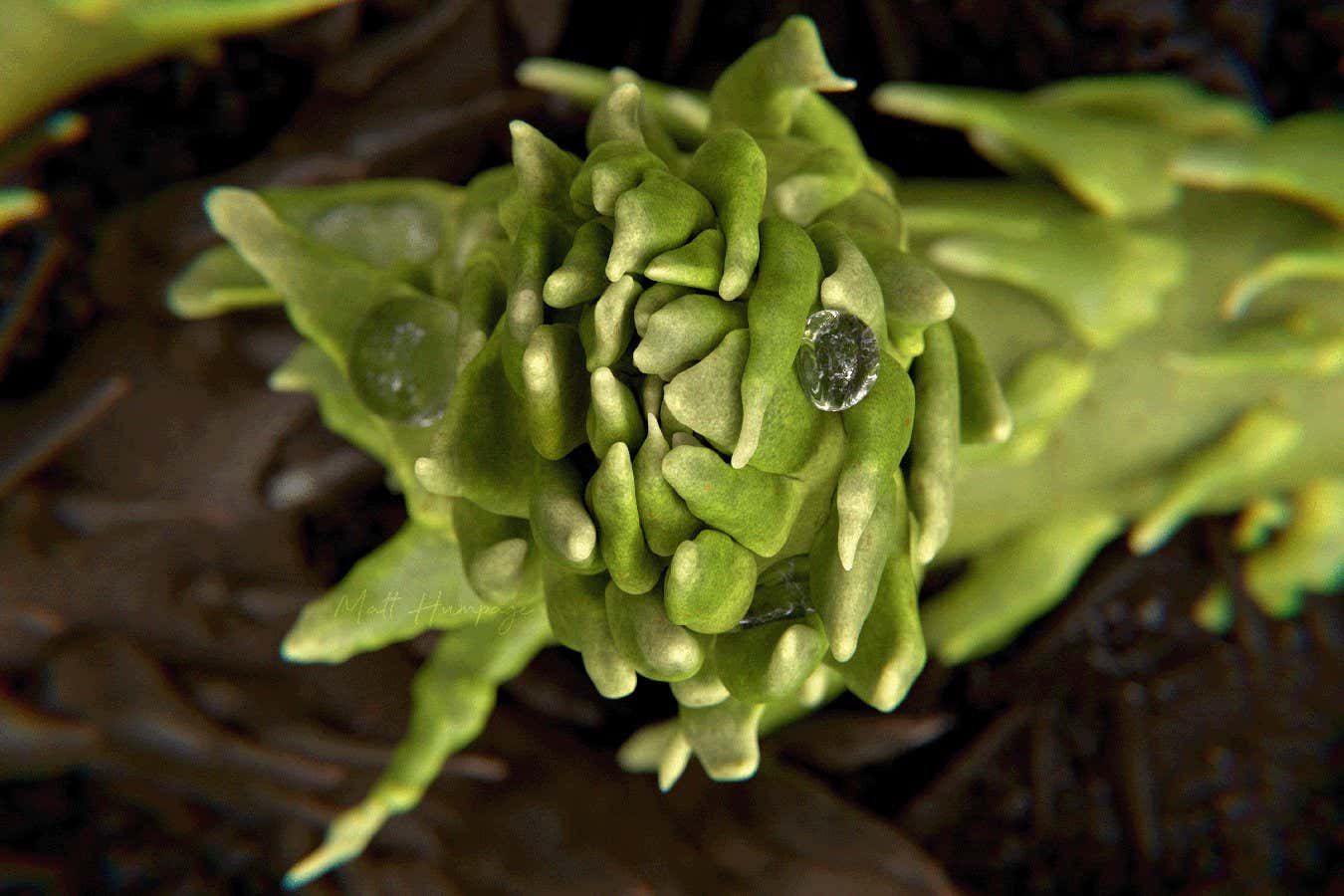
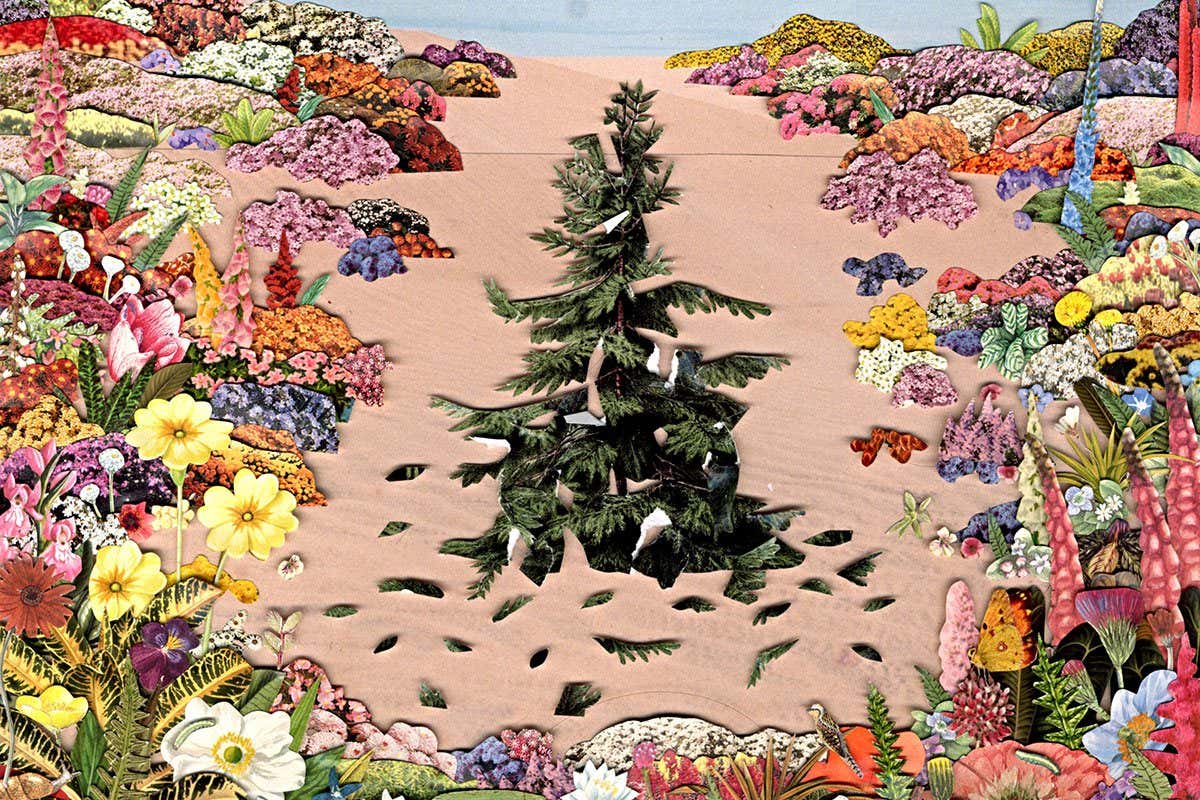
Most modern plants grow leaves in a pattern that follows the Fibonacci sequence, but a reconstruction of a 400-million-year-old plant reveals that its leaves grew much more chaotically
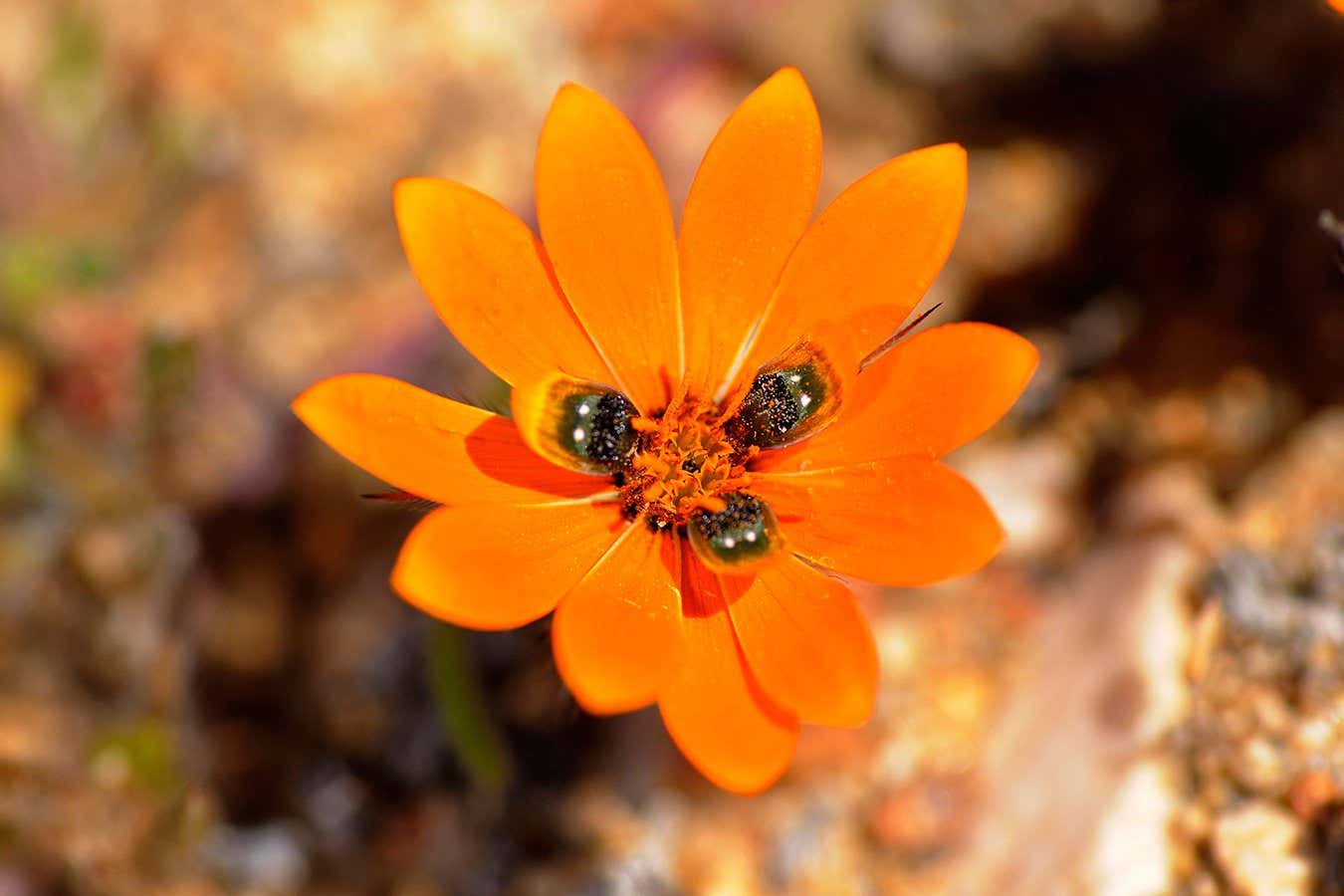
Beetle daisy (Gorteria diffusa), Springbok, Namaqualand, South Africa - Image ID: C119J6 (RF)

How daisies make deceptive petals that look like female flies

23 March 2023

South African daisies co-opt the genes they usually use to grow root hairs and transport iron to create petals that resemble female flies – enticing males to land and pollinate the plant


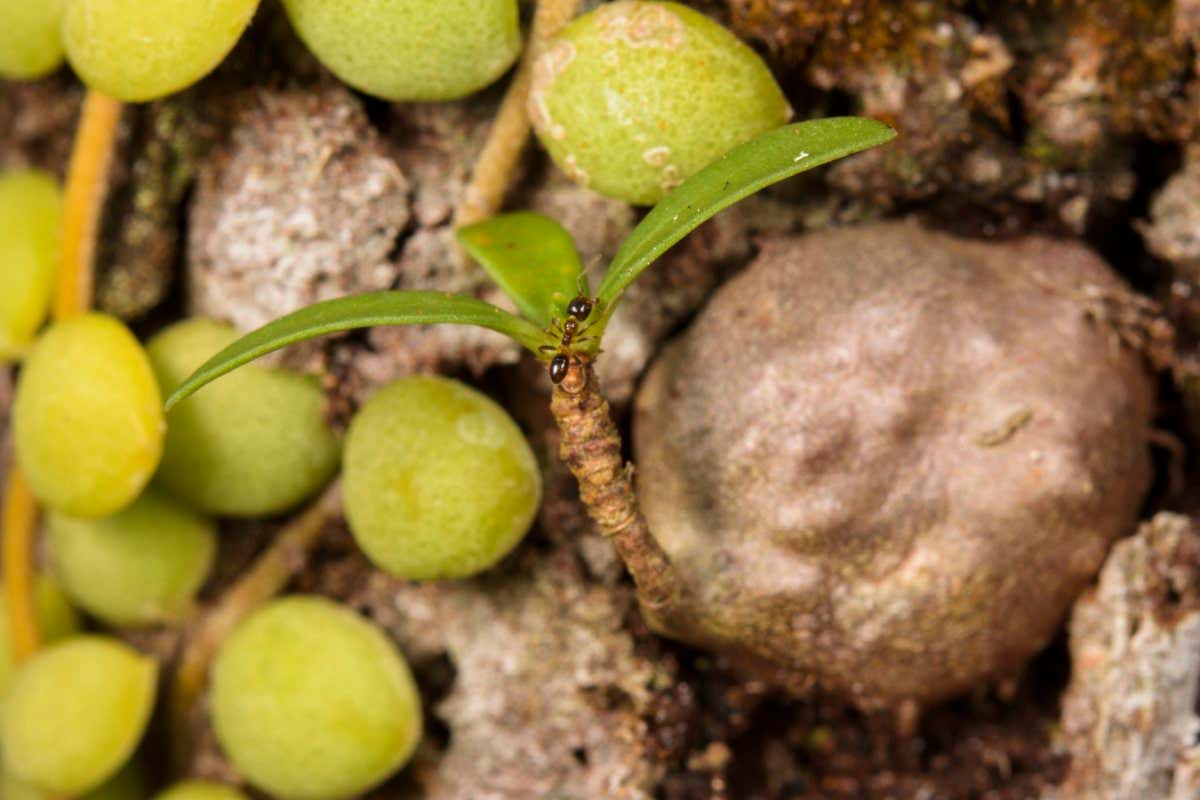
Ant on a small plant

Ants have evolved to farm plants on at least 15 separate occasions

10 November 2022

Many species of tree-living ants cultivate plants that grow on trees either for food or shelter, but there is a debate over whether the practice should be considered agriculture


How flowering plants beat bloom-free gymnosperms to world dominance

How flowering plants beat bloom-free gymnosperms to world dominance

8 November 2022

Flowerless gymnosperms, such as conifer and ginkgo, ruled the Jurassic world before their flowering rivals, the angiosperms, became dominant. What caused the fall of one and the rise of the other?


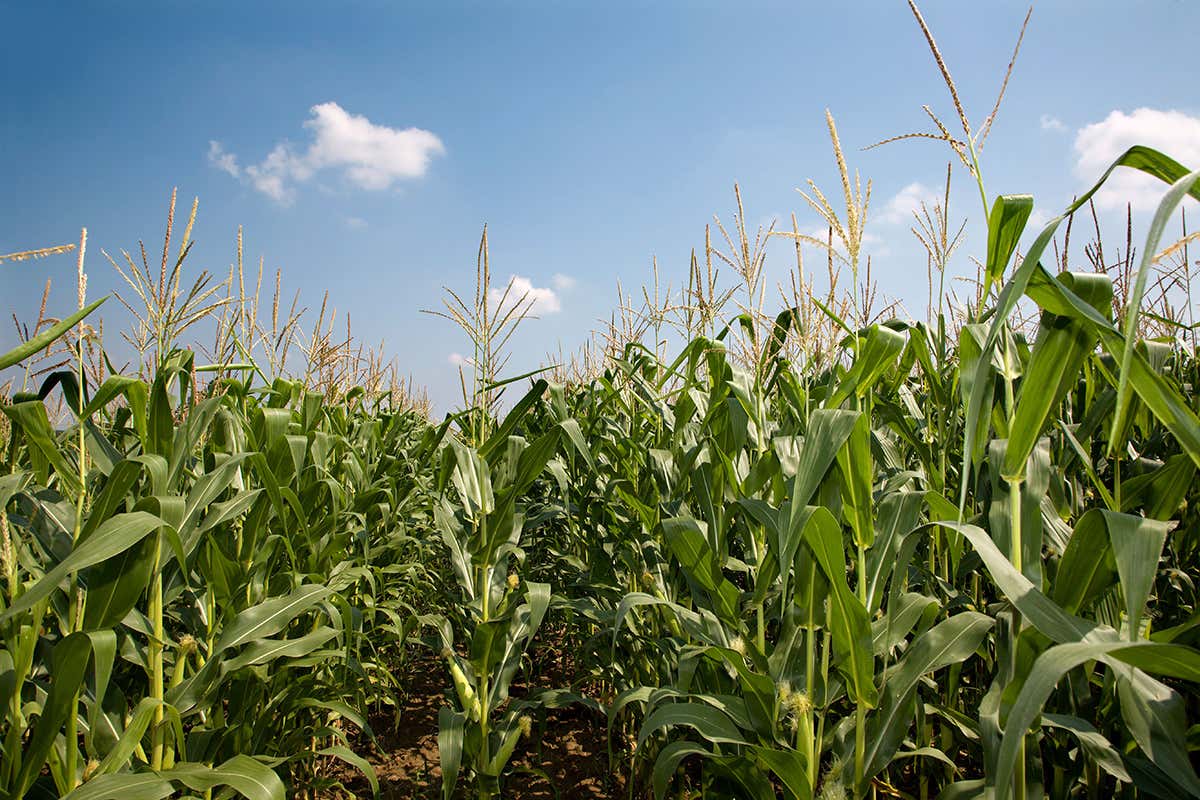
Grasses pass genes from one species to another but we don’t know how

Grasses pass genes from one species to another but we don’t know how

22 April 2021

A study of 17 grass species found that 13 of them carry genes that have been transferred from another species, suggesting that gene-swapping happens all the time


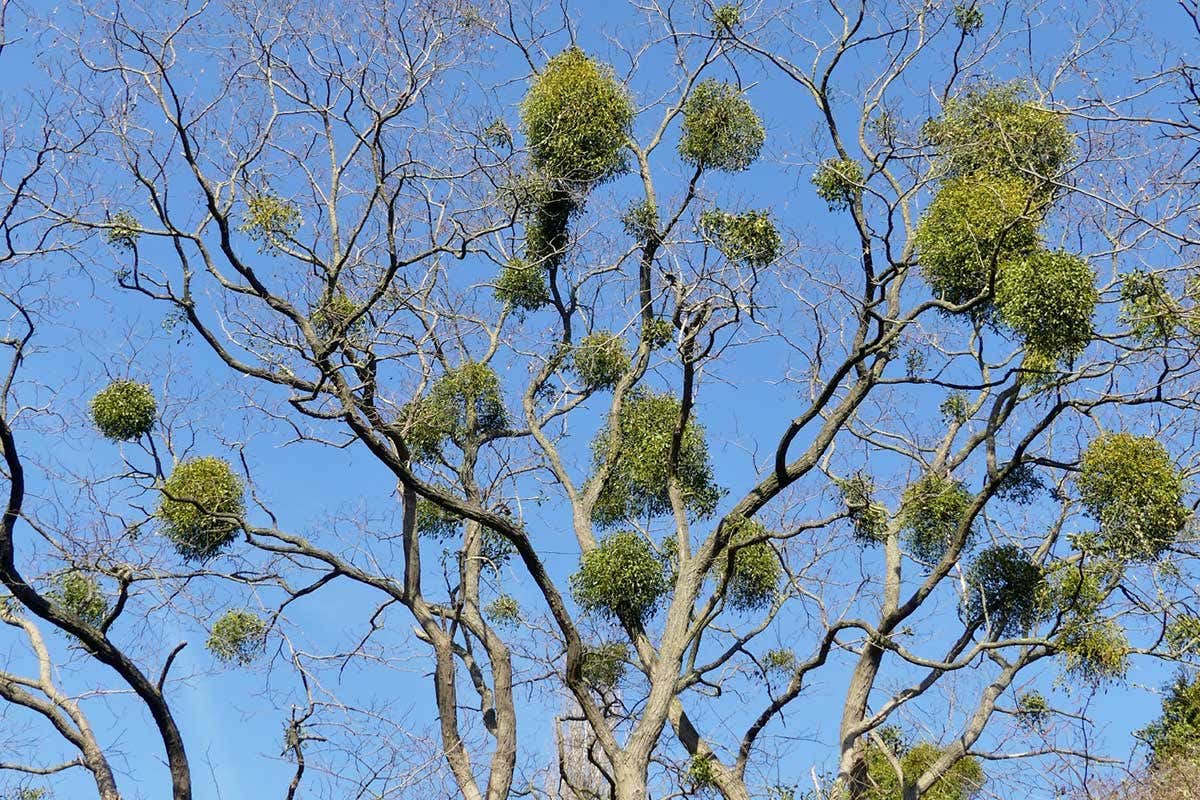
Mistletoe's cells are broken at a fundamental level

Mistletoe's cells are broken at a fundamental level

3 May 2018

All complex organisms rely on tiny nodules called mitochondria to supply their cells with energy – but mistletoe’s mitochondria don’t work and yet it survives


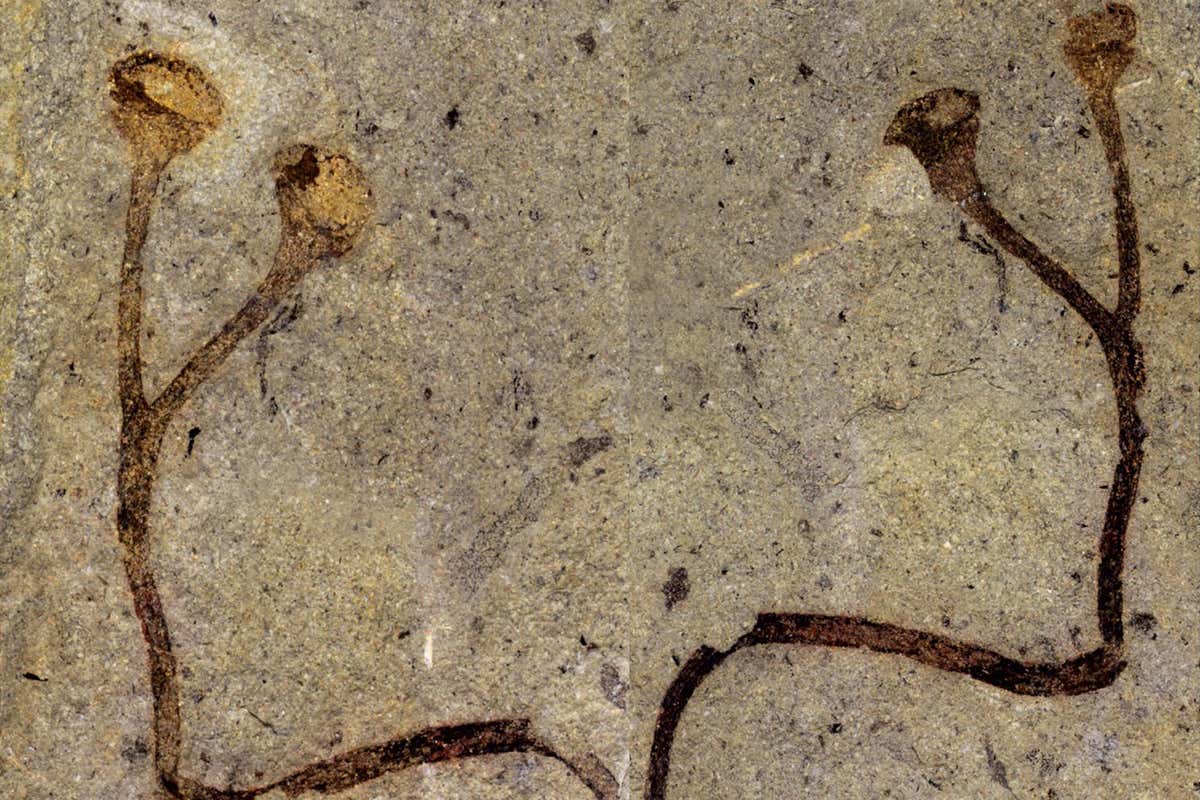
A fossil may rewrite the story of how plants first lived on land

A fossil may rewrite the story of how plants first lived on land

30 April 2018

A plant fossil that lay unnoticed for a century is unexpectedly large for something so old, and it could upend our ideas about the evolution of land plants


Trees may have a ‘heartbeat’ that is so slow we never noticed it

Trees may have a ‘heartbeat’ that is so slow we never noticed it

20 April 2018

Trees repeatedly move their branches up and down during the night, and this may reflect water being pumped along the branches – just like a human pulse


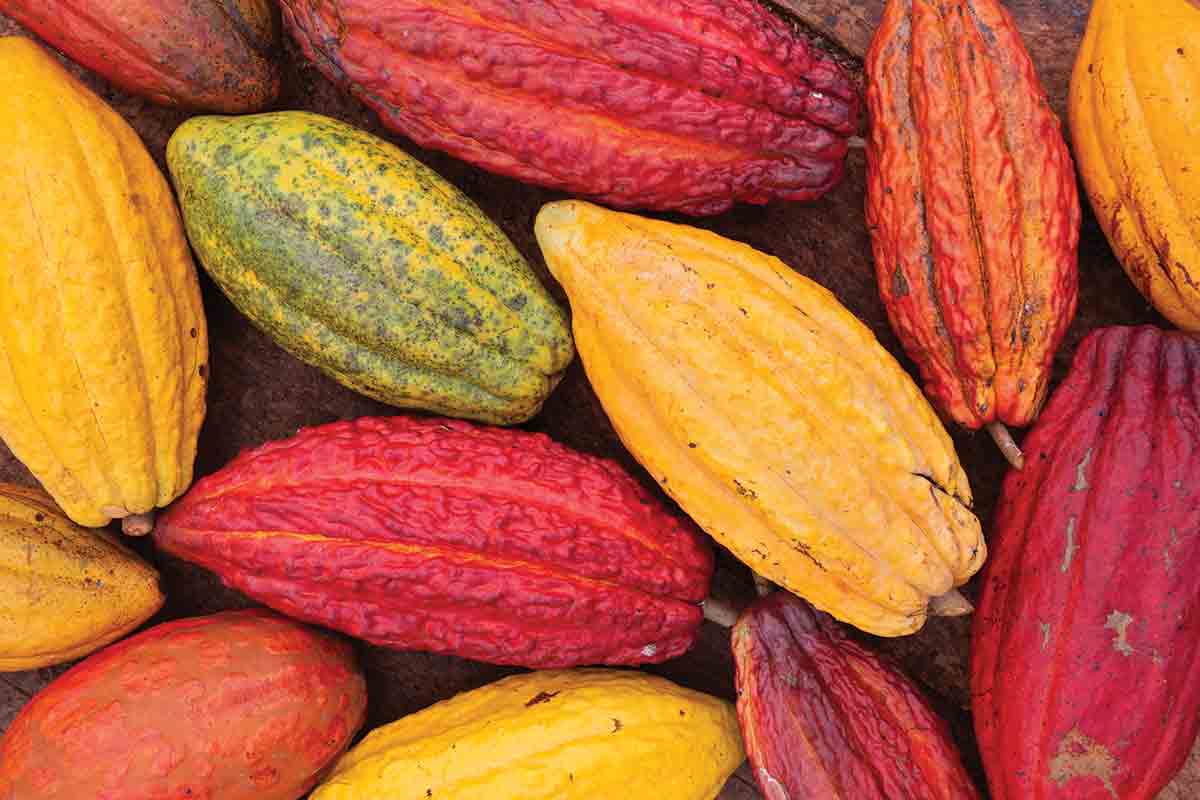
Cocoa pods

Our lust for tastier chocolate has transformed the cocoa tree

27 December 2017

Ever since we domesticated the cocoa tree over 3000 years ago, we have been breeding them to make tastier chocolate – but in the process we have made them vulnerable


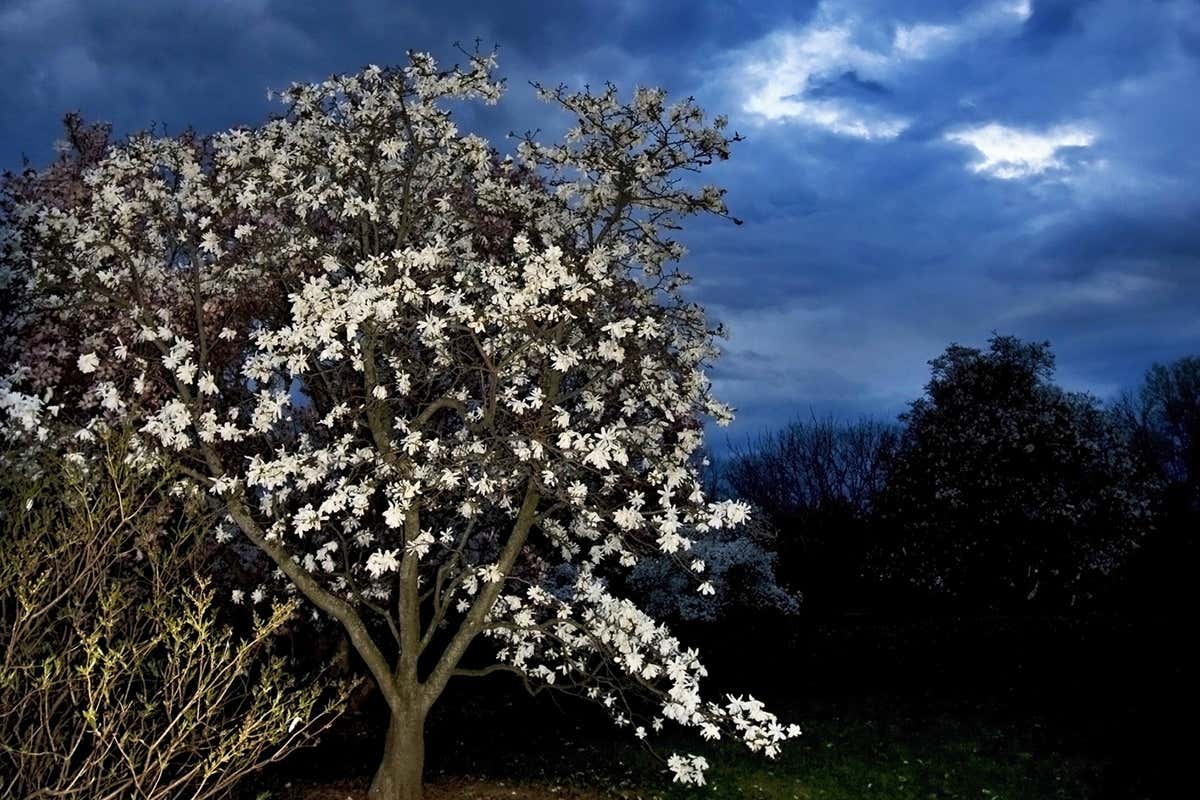
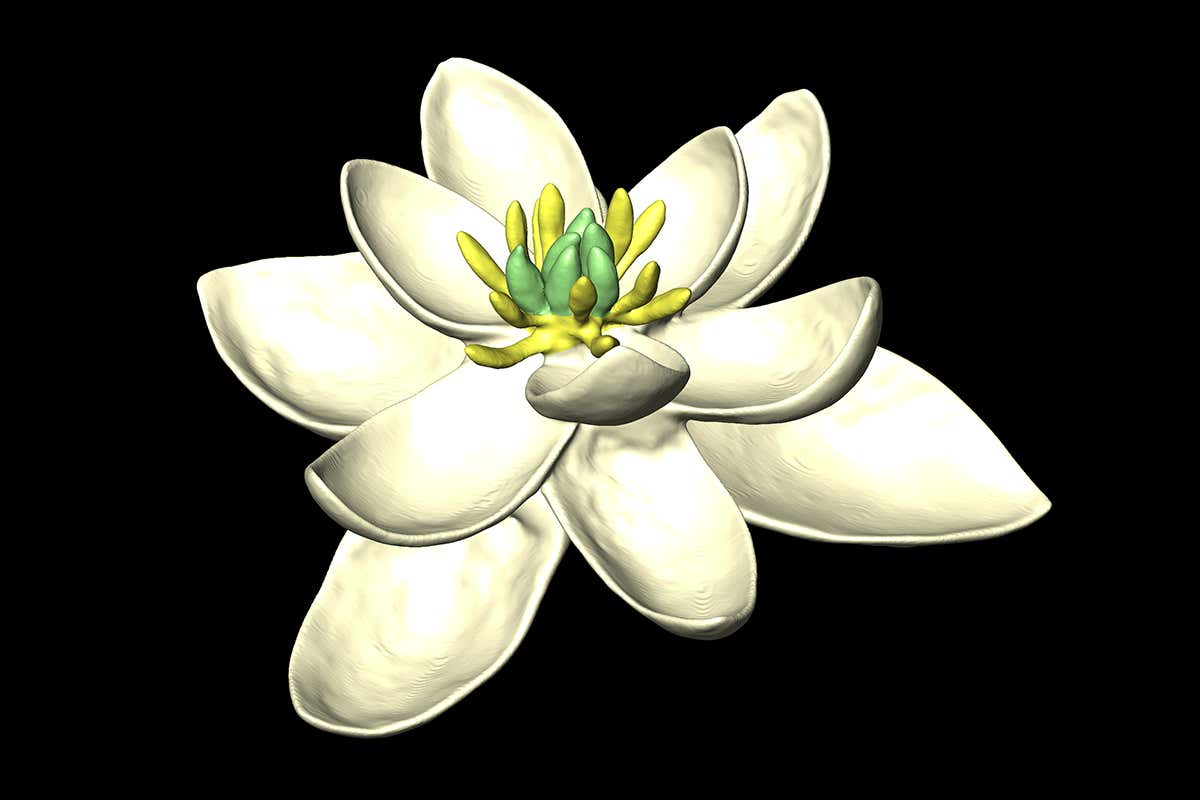
Did the first flower look like this?

What the first flower on Earth might have looked like

1 August 2017

Some time between 250 and 140 million years ago, the very first flower bloomed – an enormous evolutionary study offers clues about its appearance


Sign up to our weekly newsletter

Receive a weekly dose of discovery in your inbox. We'll also keep you up to date with New Scientist events and special offers.

Sign up
Piano Exit Overlay Banner Mobile Piano Exit Overlay Banner Desktop