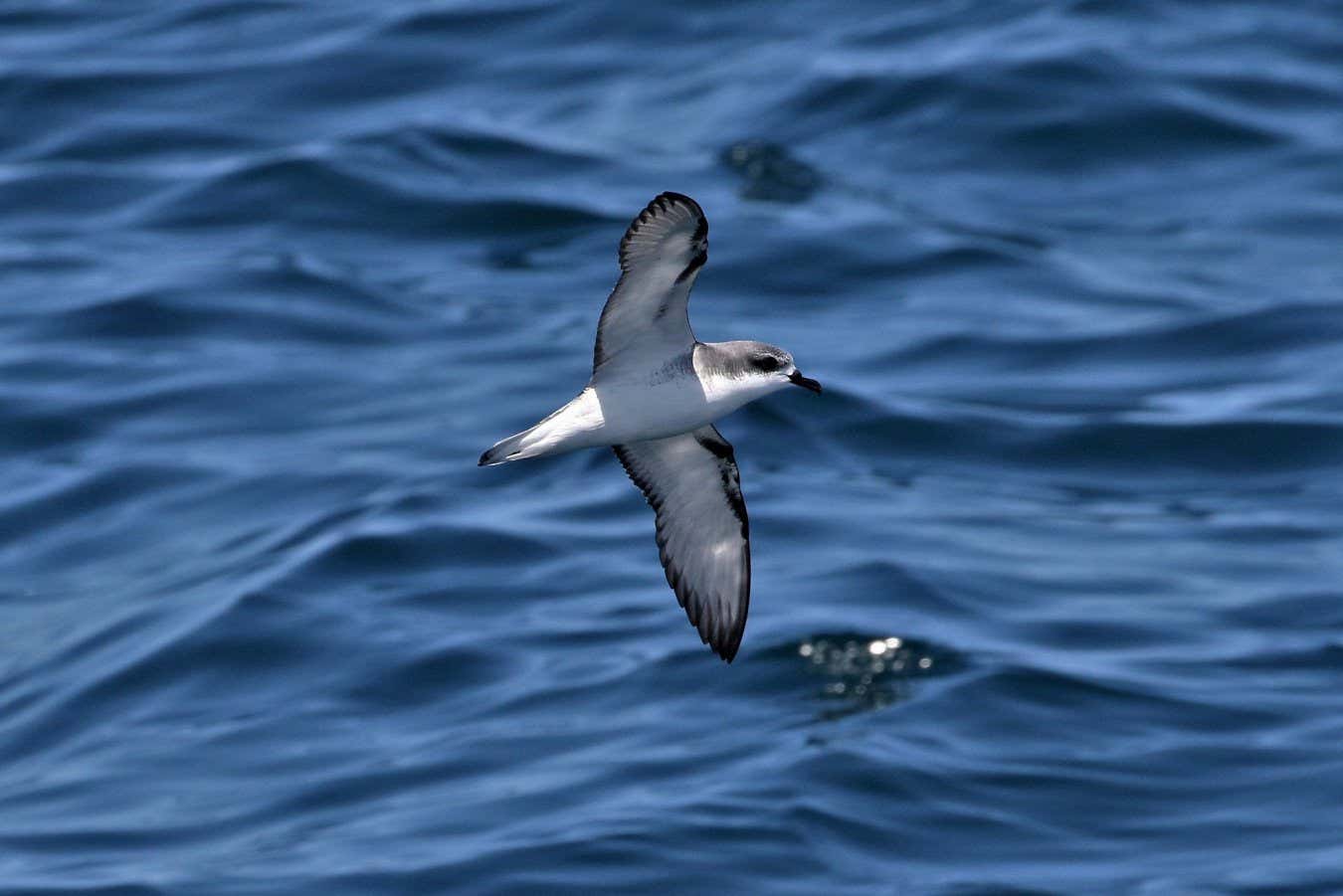
Threatened seabirds are foraging at plastic pollution hotspots
4 July 2023
Location trackers show migratory seabirds spend much of their time looking for food near ocean garbage patches, highlighting the need for action on pollution
4 July 2023
Location trackers show migratory seabirds spend much of their time looking for food near ocean garbage patches, highlighting the need for action on pollution
24 May 2023
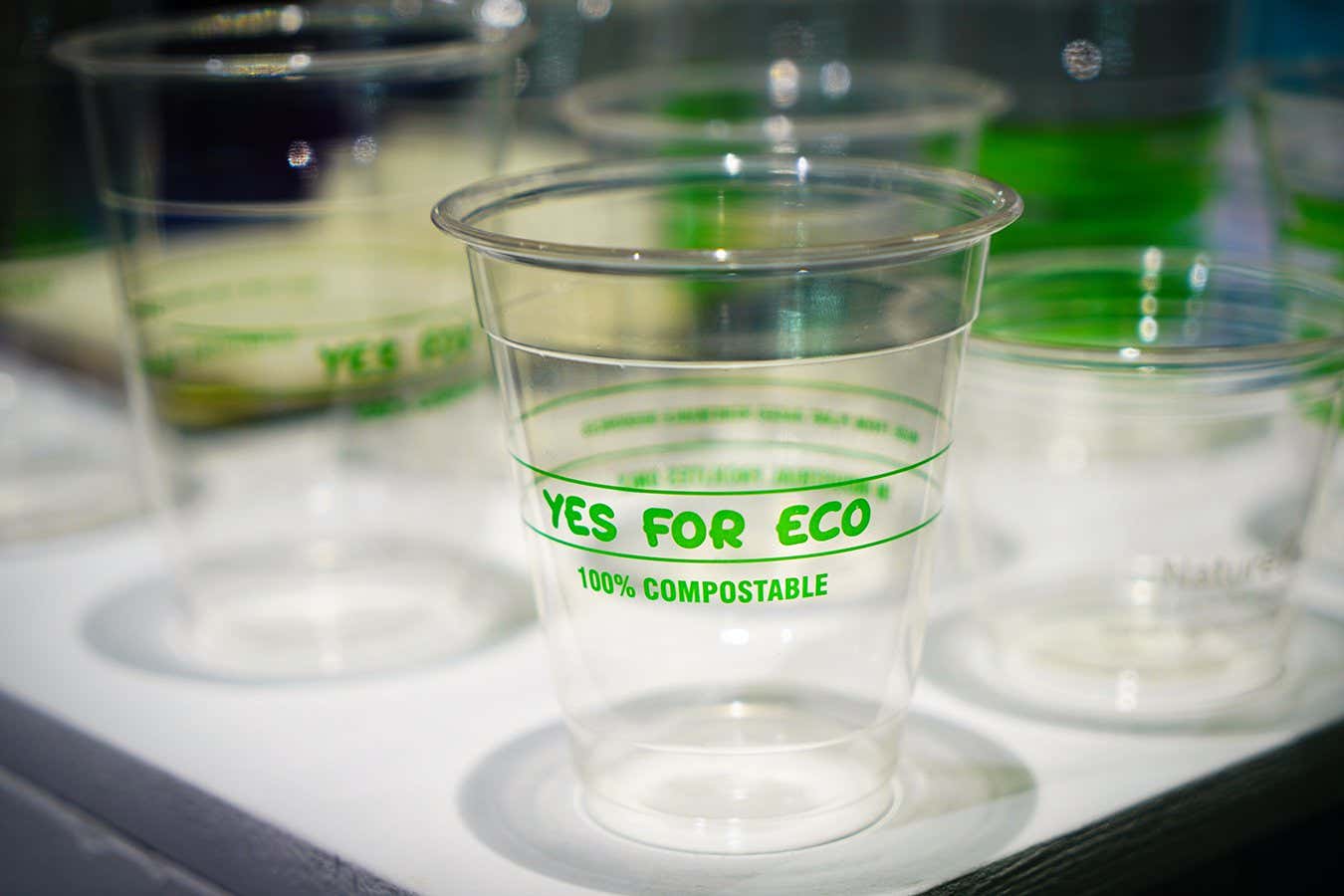
A leading "bioplastic" used in single-use cups and containers degrades in the ocean just as slowly as the oil-based stuff, and must be broken down in commercial facilities to be composted
3 November 2022
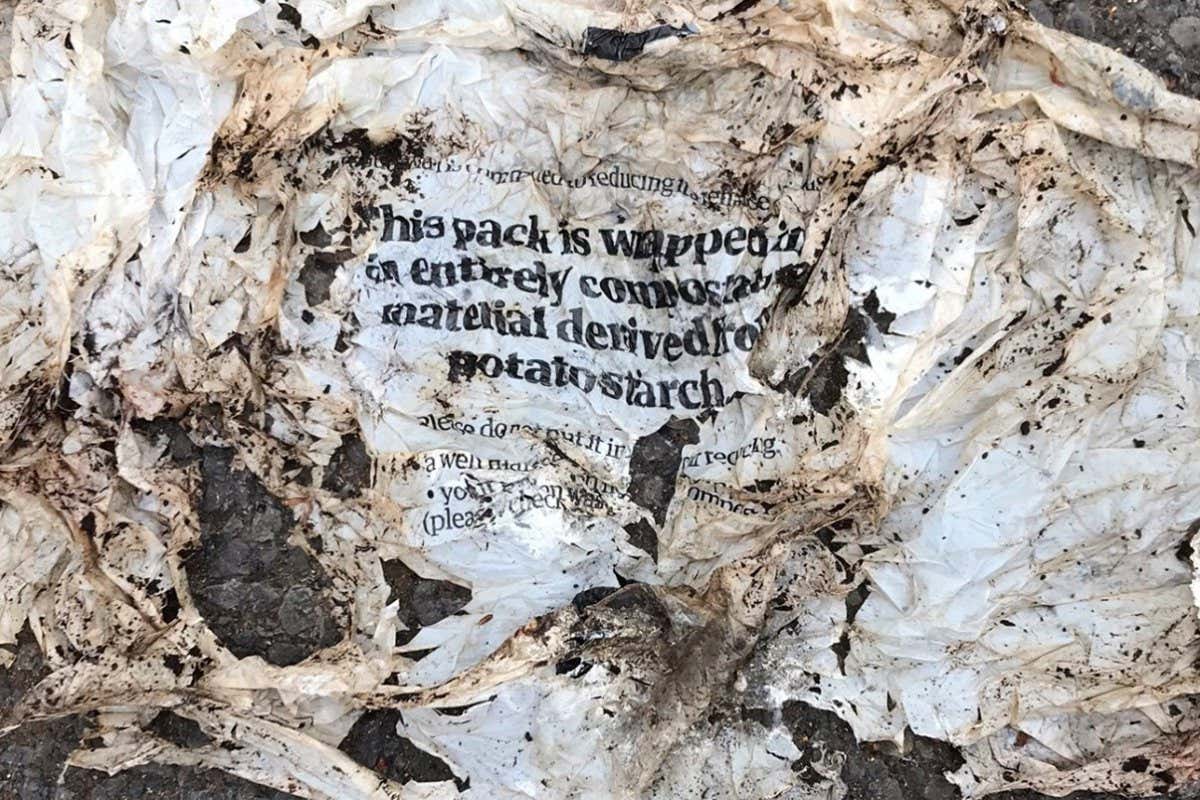
A study involving 1600 UK volunteers found that 60 per cent of plastics labelled as suitable for home composting don’t break down properly
26 July 2022
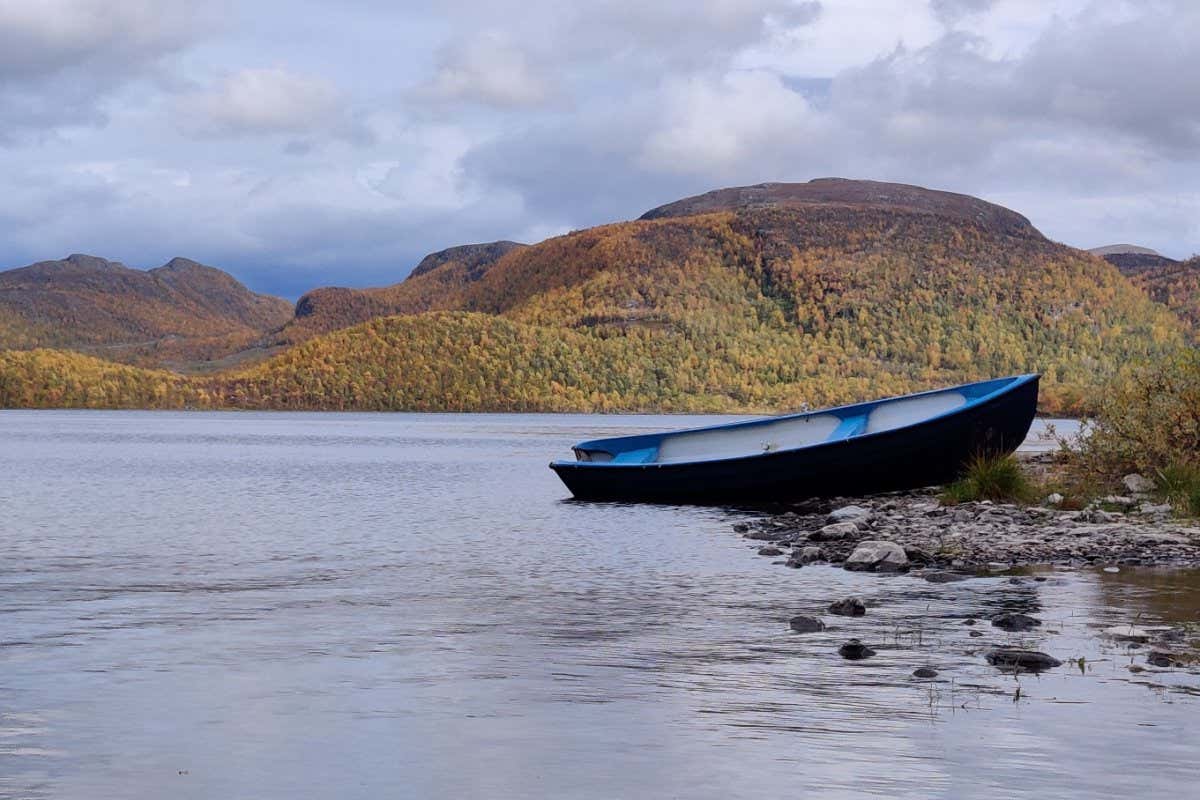
The productivity of bacteria in lakes in Scandinavia has been boosted by leachate from plastic bags, but that isn't necessarily good news for aquatic ecosystems
1 March 2022
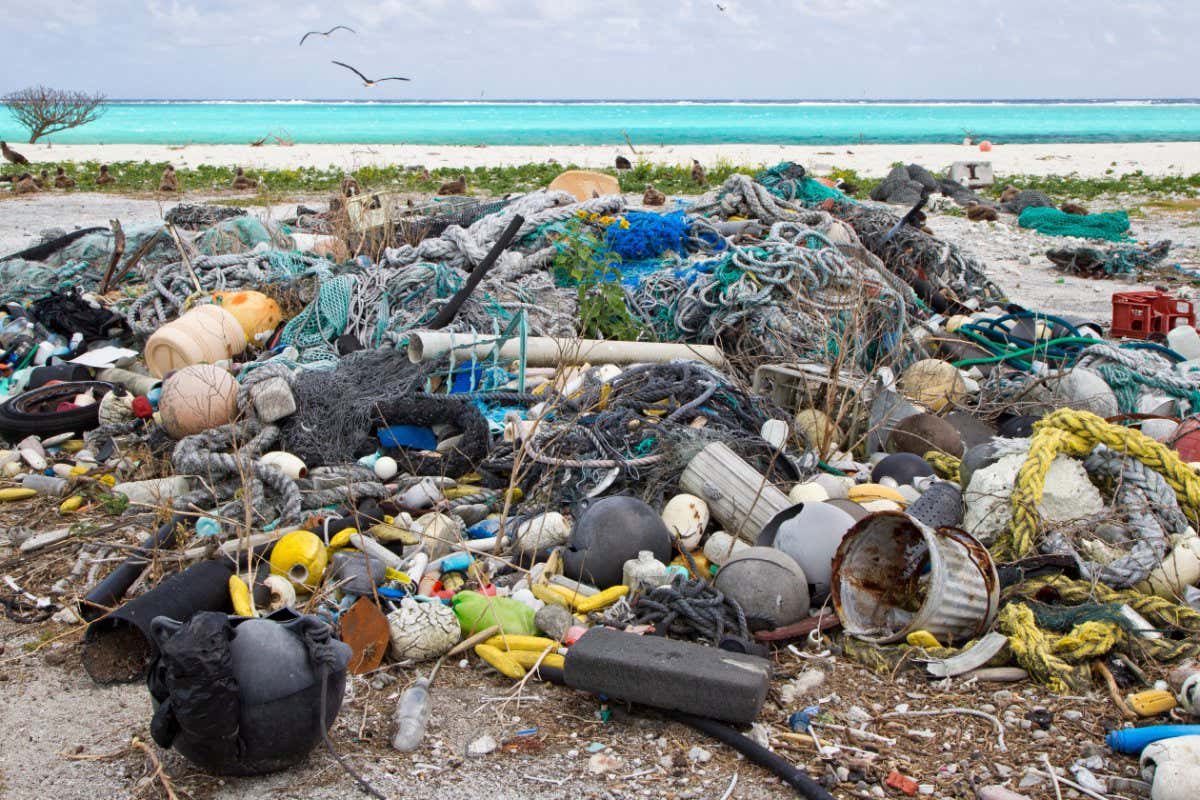
A legally binding agreement between 175 countries encompasses all stages of plastic’s life cycle, from production to consumption and disposal
1 December 2021
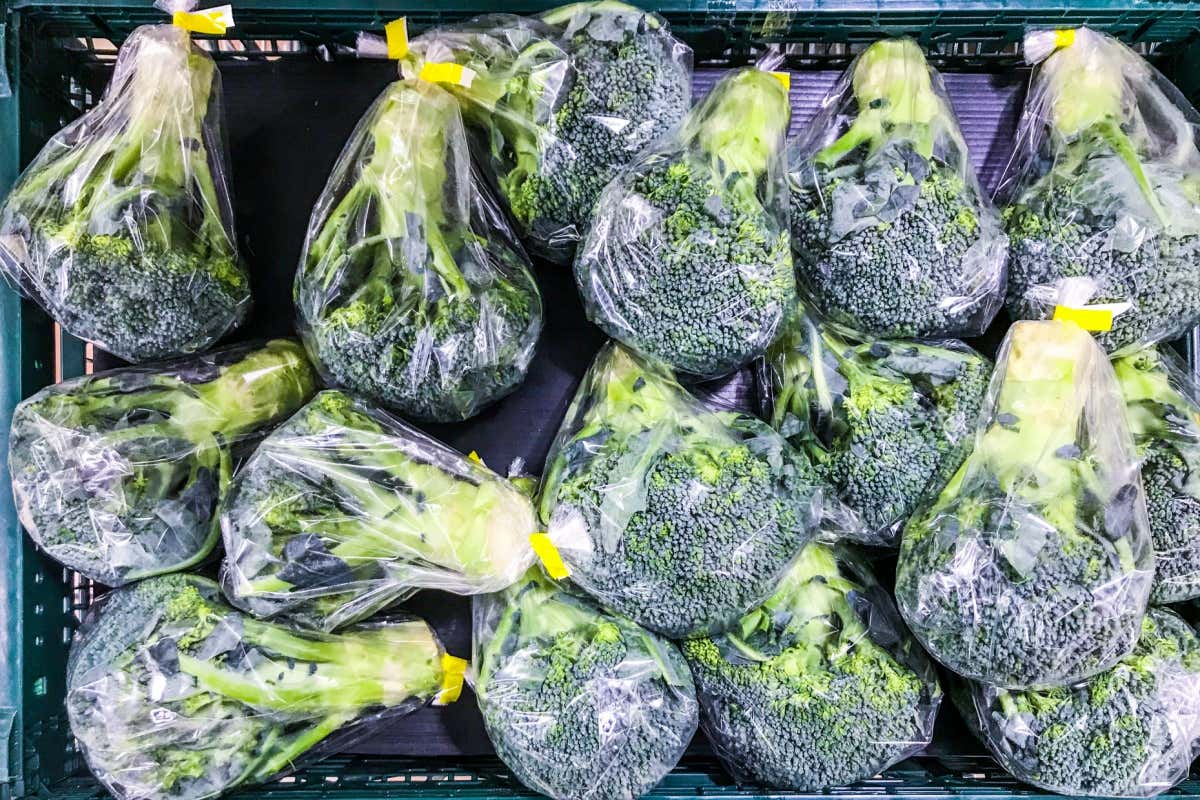
When you look at the research evidence, it soon becomes clear that calls to ban all plastic wrap on fresh fruit and veg could do more harm than good
25 February 2021
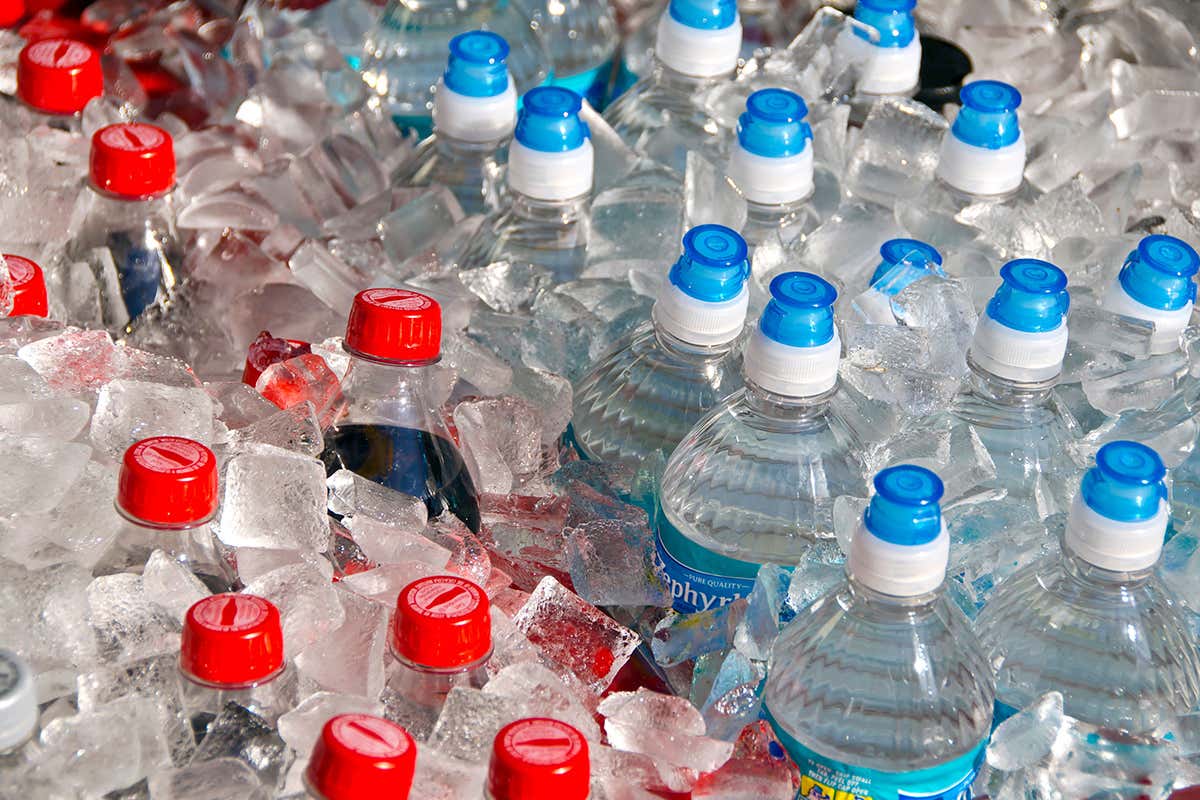
Plastic bottles with a capacity of 2.3 litres contain the most liquid for the lowest packaging weight and could reduce plastic waste by thousands of tonnes per year
9 December 2020
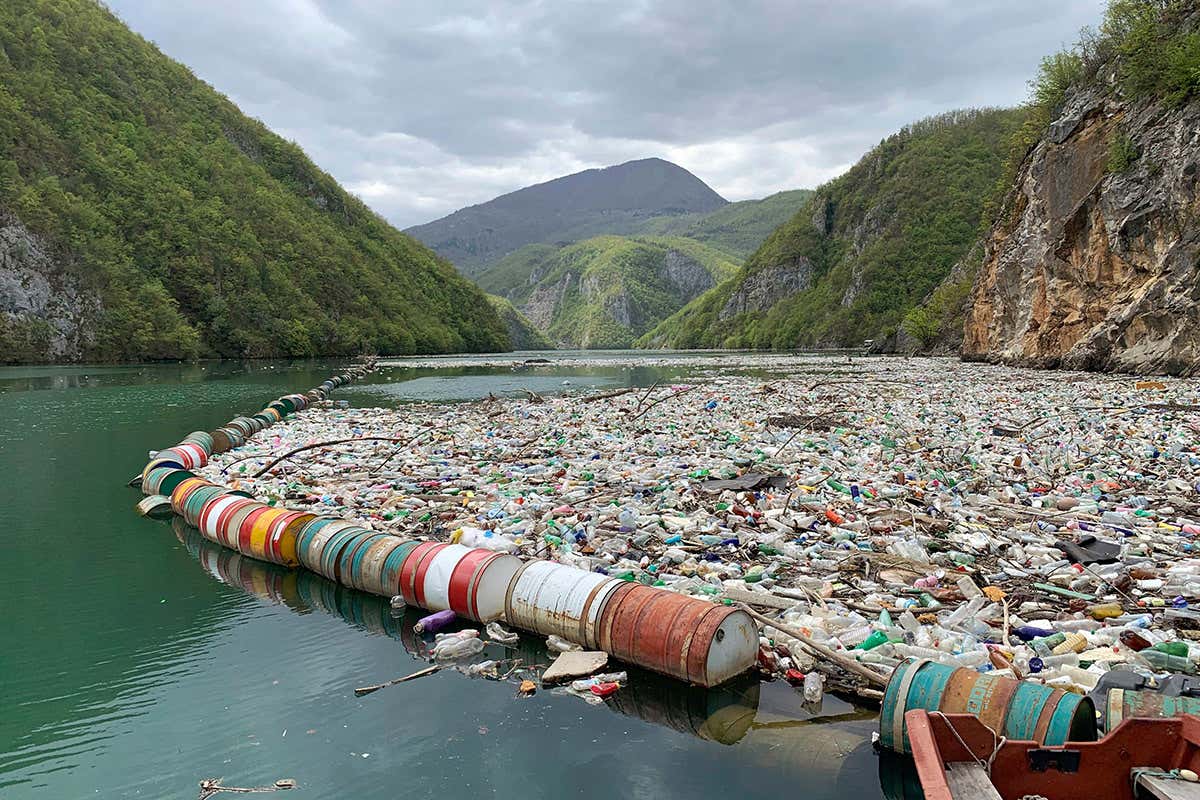
Microplastic particles exposed to fresh water or saltwater for several weeks – mimicking real-life pollution – are 10 times more likely to be absorbed than pristine ones
9 November 2020
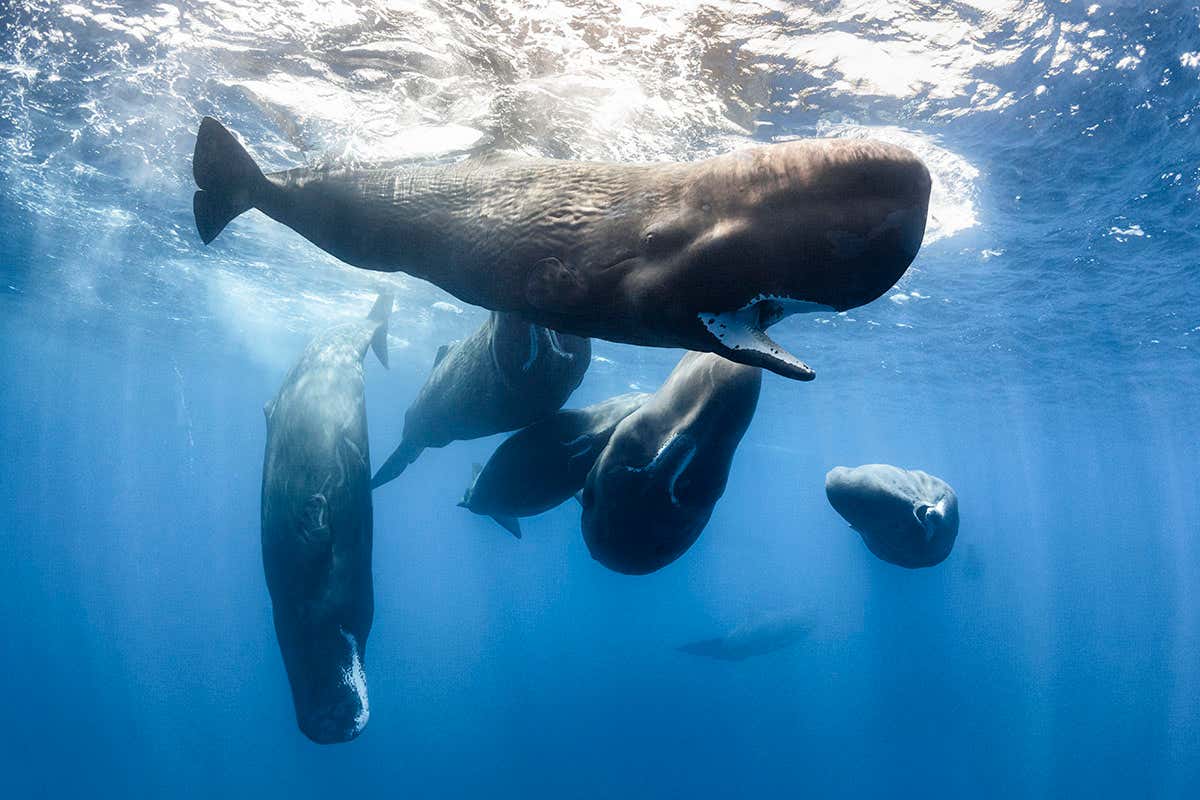
An analysis of 112 studies from the past ten years suggests that 55 per cent of sea turtles and 80 per cent of whales have microplastics in their bodies
16 September 2020
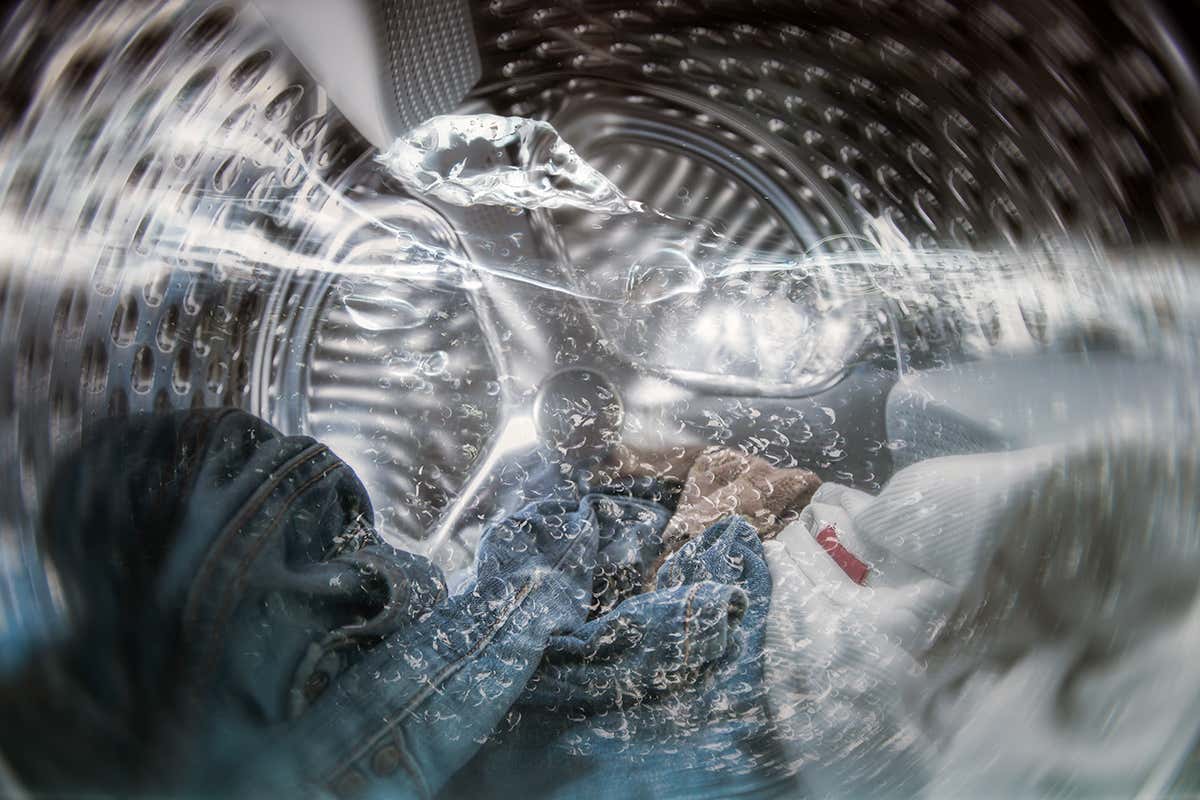
Since 1950, 5.6 million tonnes of microplastic microfibres have been dumped on land and in the sea through clothes washing – and the rate of release is increasing
