Subscribe now

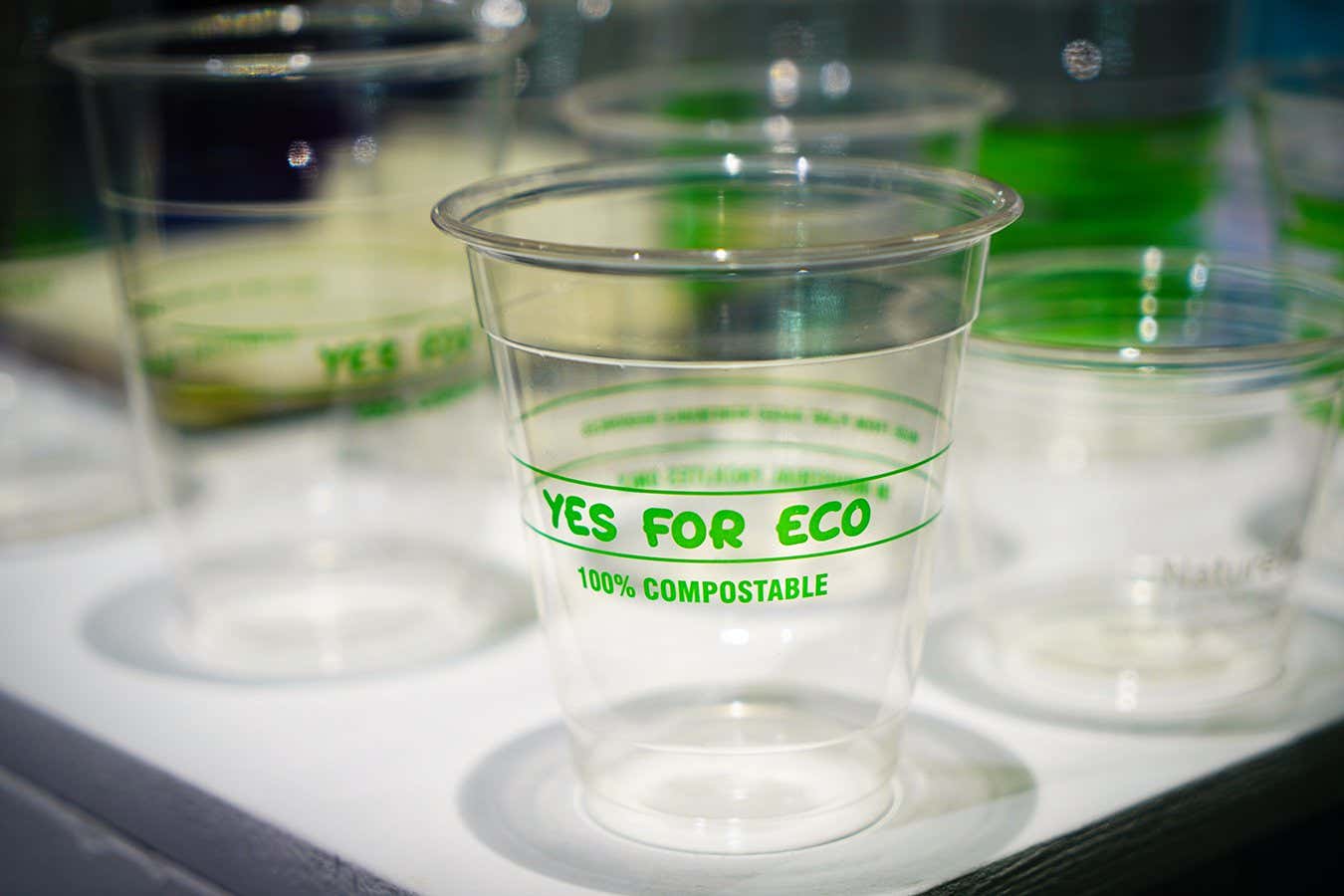
Common compostable plastic fails to break down after a year at sea

24 May 2023

A leading "bioplastic" used in single-use cups and containers degrades in the ocean just as slowly as the oil-based stuff, and must be broken down in commercial facilities to be composted

Microplastics are changing the gut microbiomes of seabirds

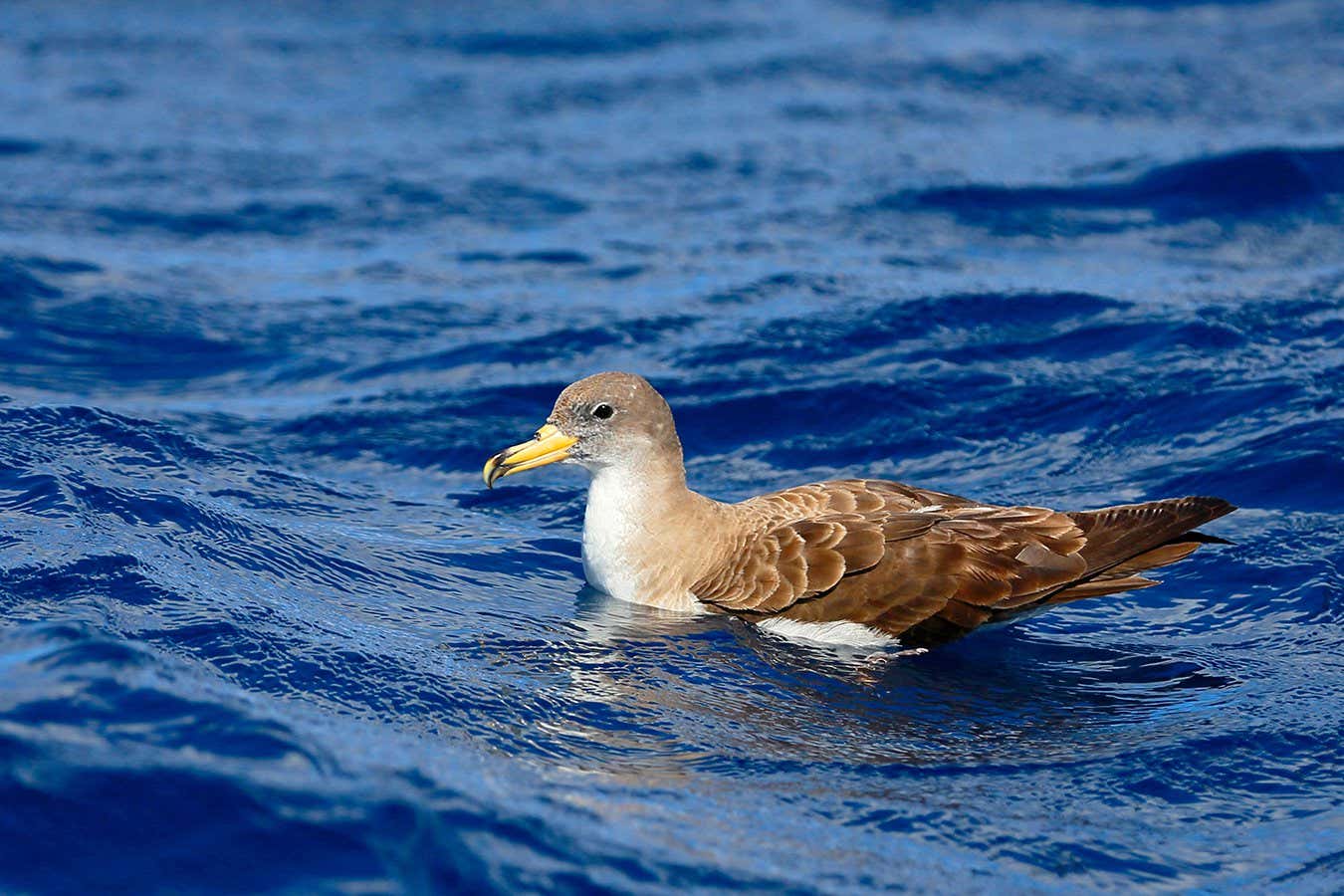
Microplastics are changing the gut microbiomes of seabirds

27 March 2023

Wild seabirds that ingest high levels of microplastics have an overall greater diversity of microbes in their gut, which has unknown consequences


Close up of boiled and cut okra; Shutterstock ID 1782195791; purchase_order: -; job: -; client: -; other: -

Goo made from okra can filter microplastics out of water

22 March 2022

A plant-based extract could be a non-toxic and sustainable alternative to polyacrylamide for removing microplastic pollution from water


A wave carrying plastic waste

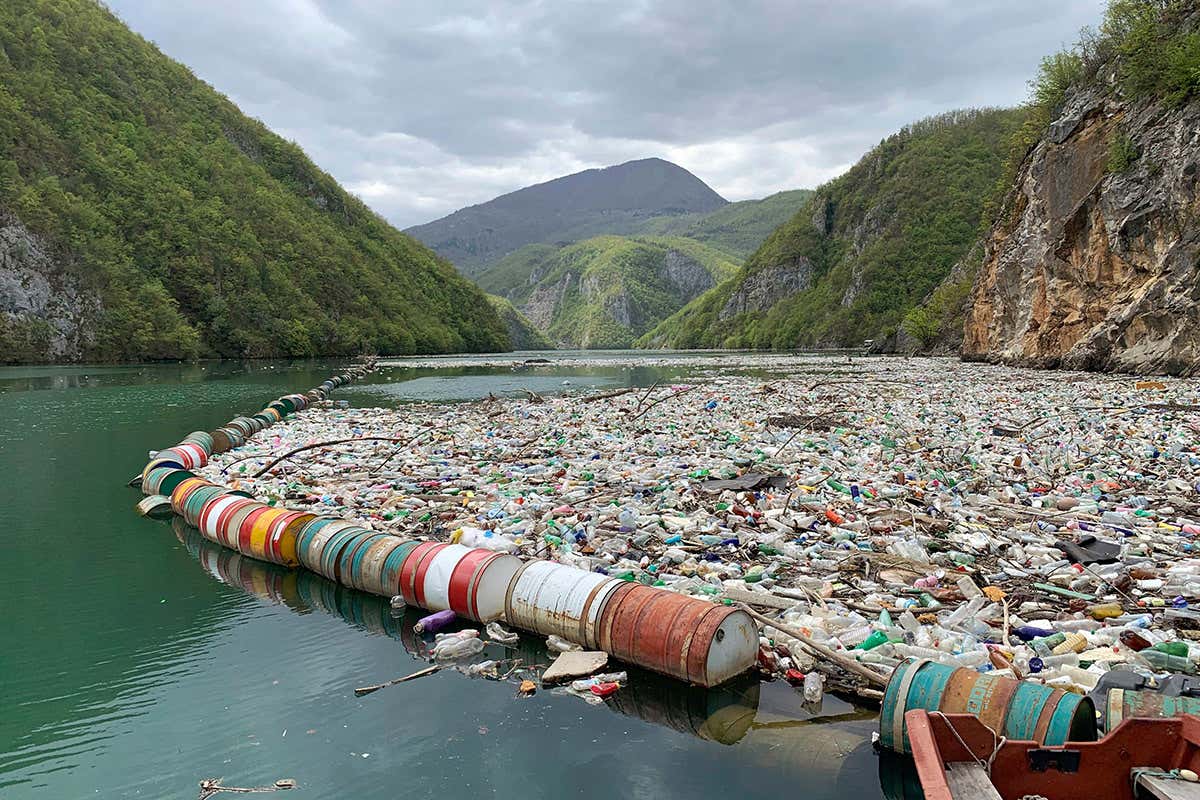
Ships could clean up the ocean by turning marine plastic into fuel

1 November 2021

Clearing up marine plastic pollution is energy intensive – but ships could convert the plastic they collect into fuel and create a self-sustaining clean-up operation


Microplastics left in water are more easily absorbed by mouse cells

Microplastics left in water are more easily absorbed by mouse cells

9 December 2020

Microplastic particles exposed to fresh water or saltwater for several weeks – mimicking real-life pollution – are 10 times more likely to be absorbed than pristine ones


washing machine drum

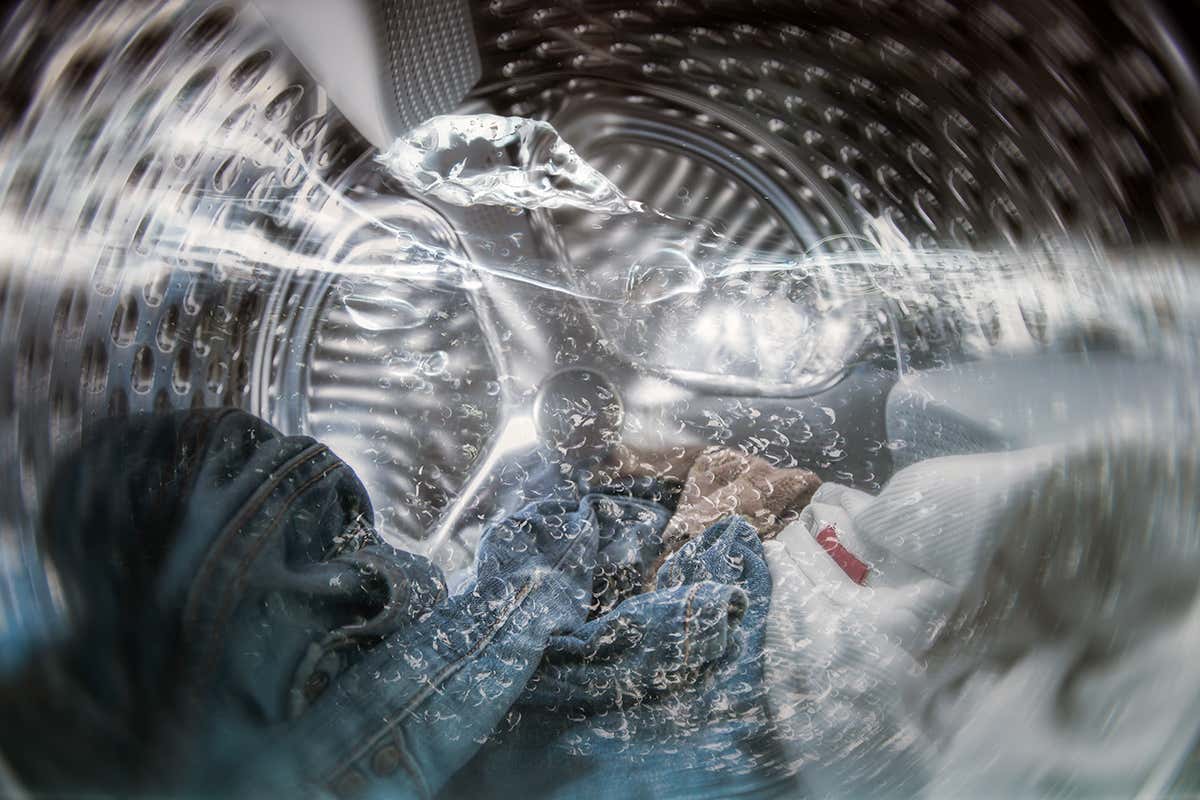
Washing our clothes has created 5.6 million tonnes of microfibre waste

16 September 2020

Since 1950, 5.6 million tonnes of microplastic microfibres have been dumped on land and in the sea through clothes washing – and the rate of release is increasing


Sign up to our weekly newsletter

Receive a weekly dose of discovery in your inbox. We'll also keep you up to date with New Scientist events and special offers.

Sign up
Piano Exit Overlay Banner Mobile Piano Exit Overlay Banner Desktop