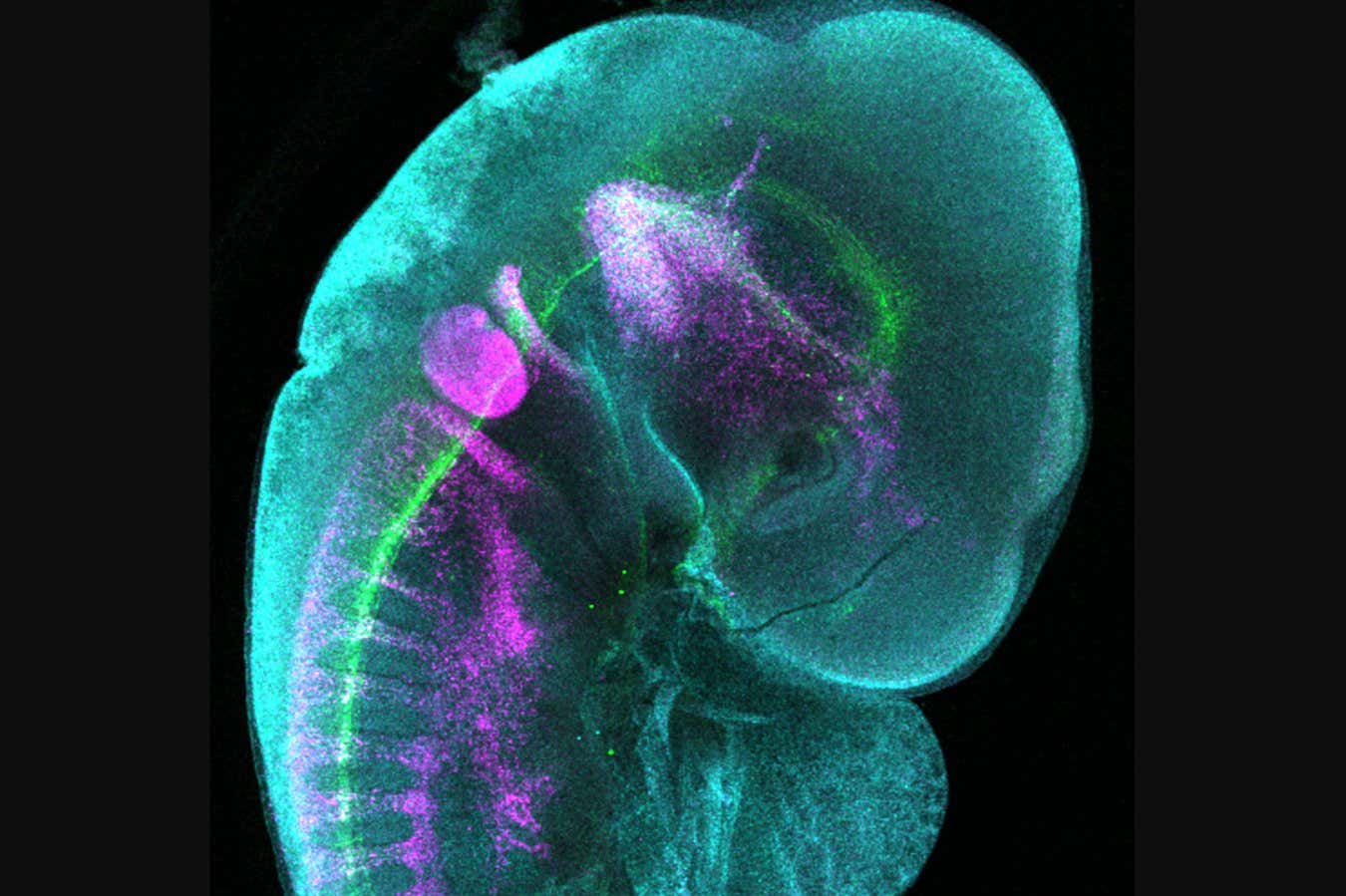
Stunning image shows the developing nervous system in a chick embryo
3 April 2023
A visualisation of nerve development and migrating stem cells in a 2-day-old chick embryo may help us understand how some congenital diseases occur in humans
3 April 2023
A visualisation of nerve development and migrating stem cells in a 2-day-old chick embryo may help us understand how some congenital diseases occur in humans
26 March 2023
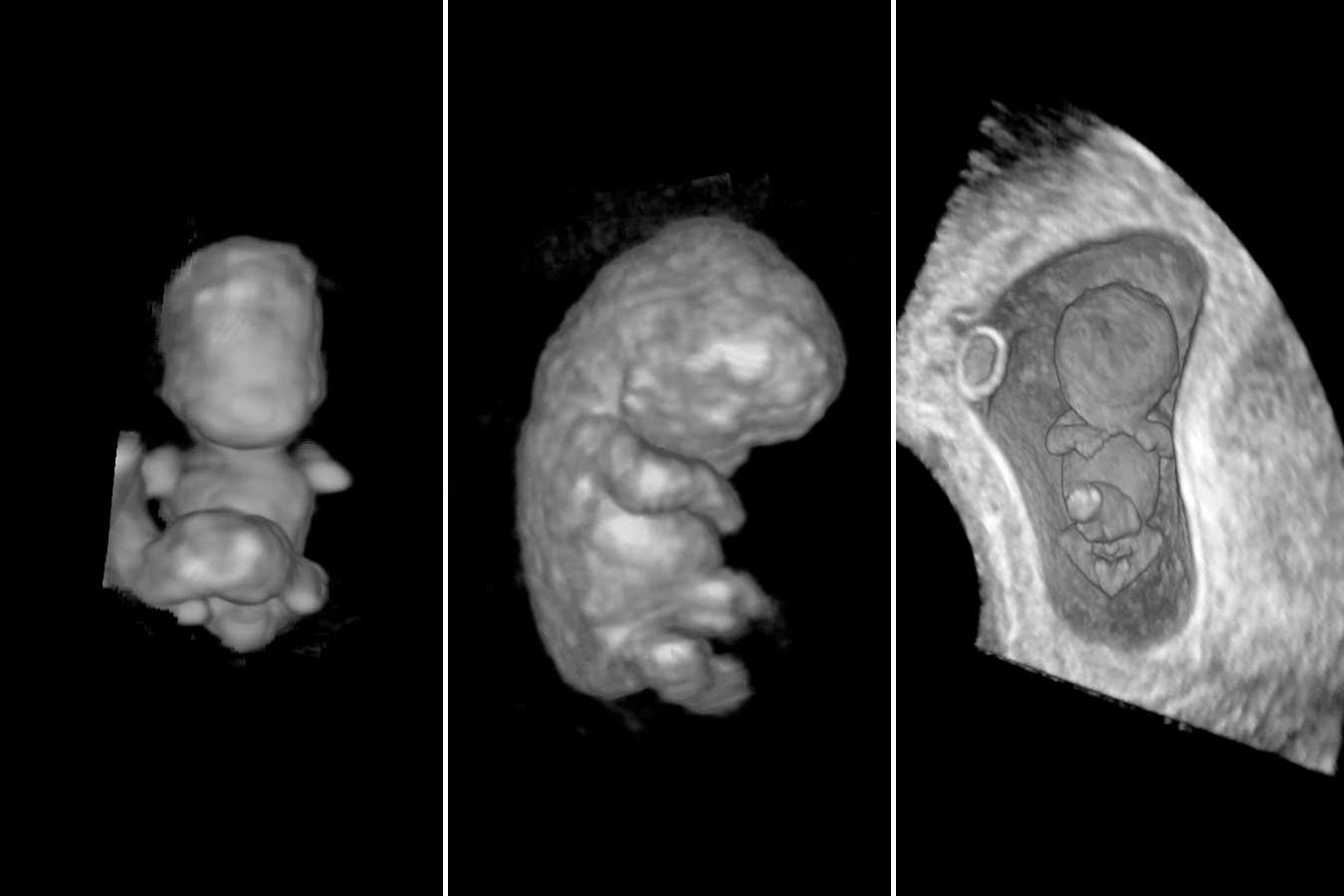
Using vaginal ultrasound scans to build detailed 3D images that show an embryo's growth could predict which pregnancies are most likely to end in miscarriage
1 January 2023
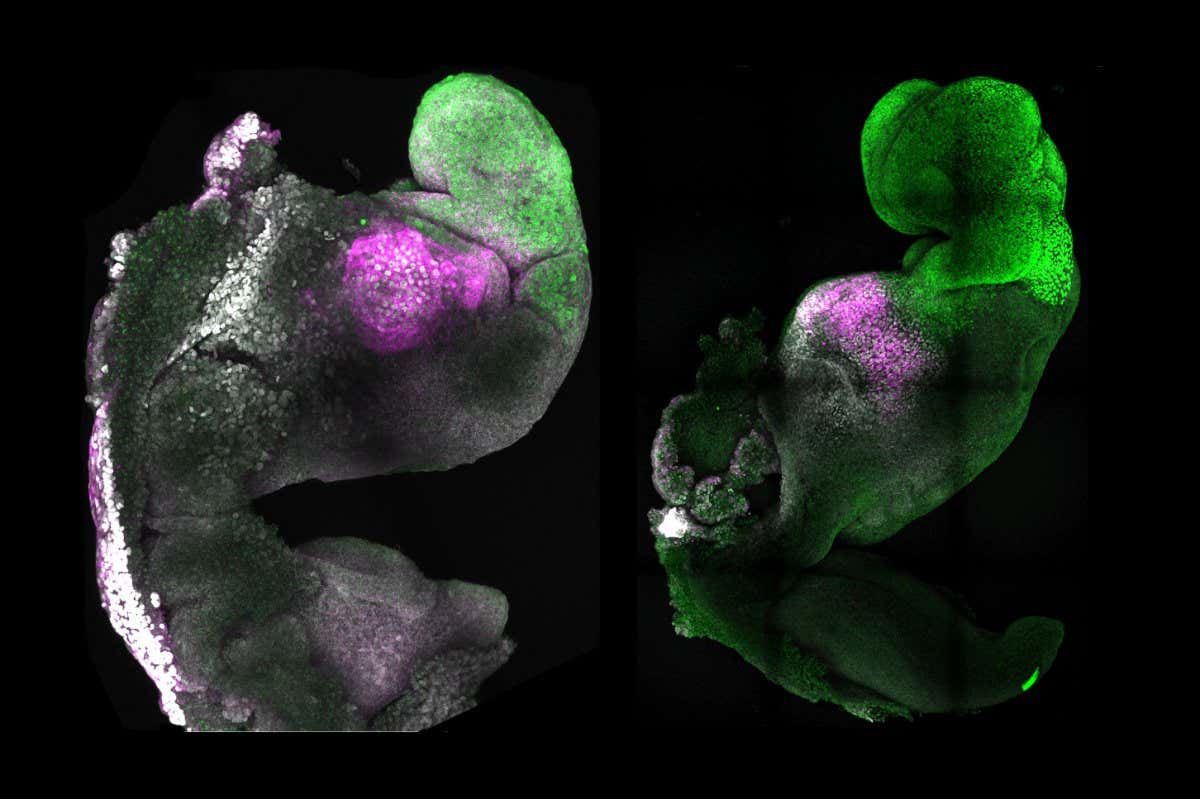
Laboratory-grown sperm, placentas and embryos in animals will help us gauge why some pregnancies don't reach full term, but whether these procedures could one day be safe or even ethical in humans is unclear
17 June 2021
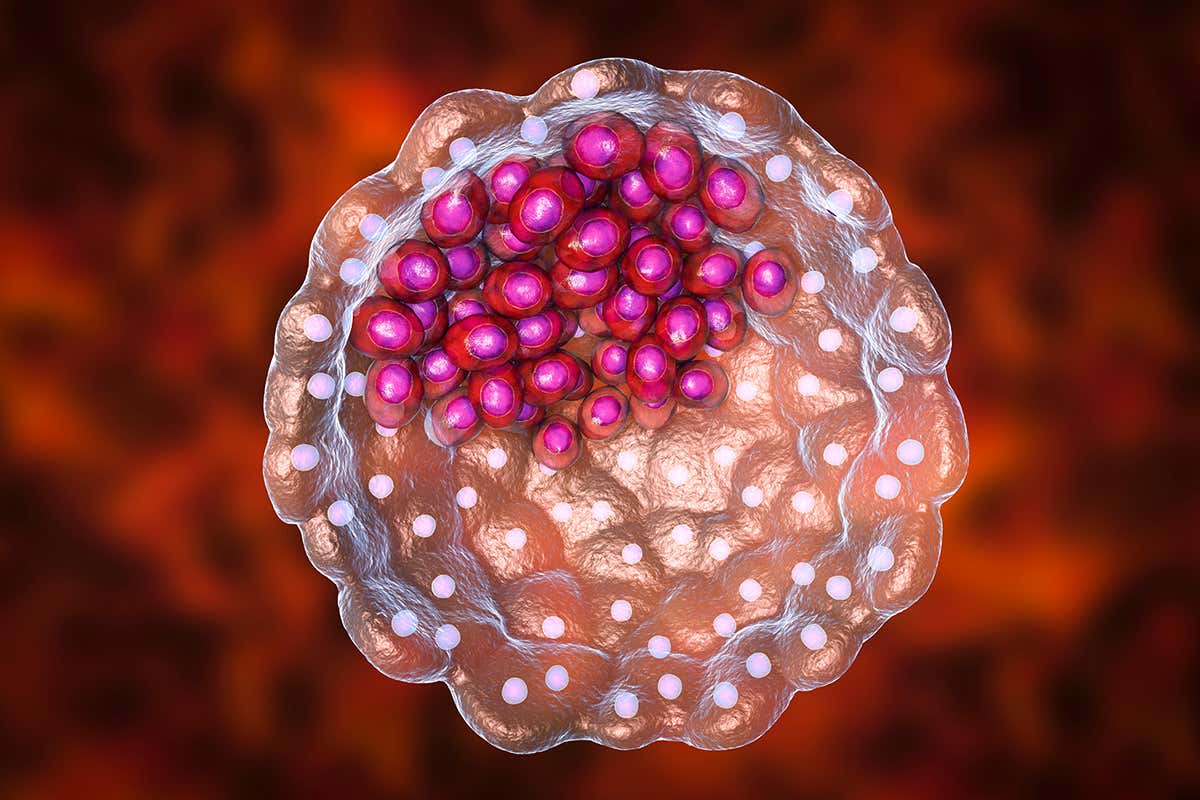
Scientists have discovered key molecular events that shape embryonic development in the second week of gestation, a critical stage when many pregnancies are lost

29 November 2017
Would-be parents seeking IVF treatment use published success rates to choose a clinic – but the stats don't reflect the real chance of getting pregnant
11 October 2017
The first stem cells capable of making placenta could enable researchers to better understand the biological mechanisms behind many failed early pregnancies
