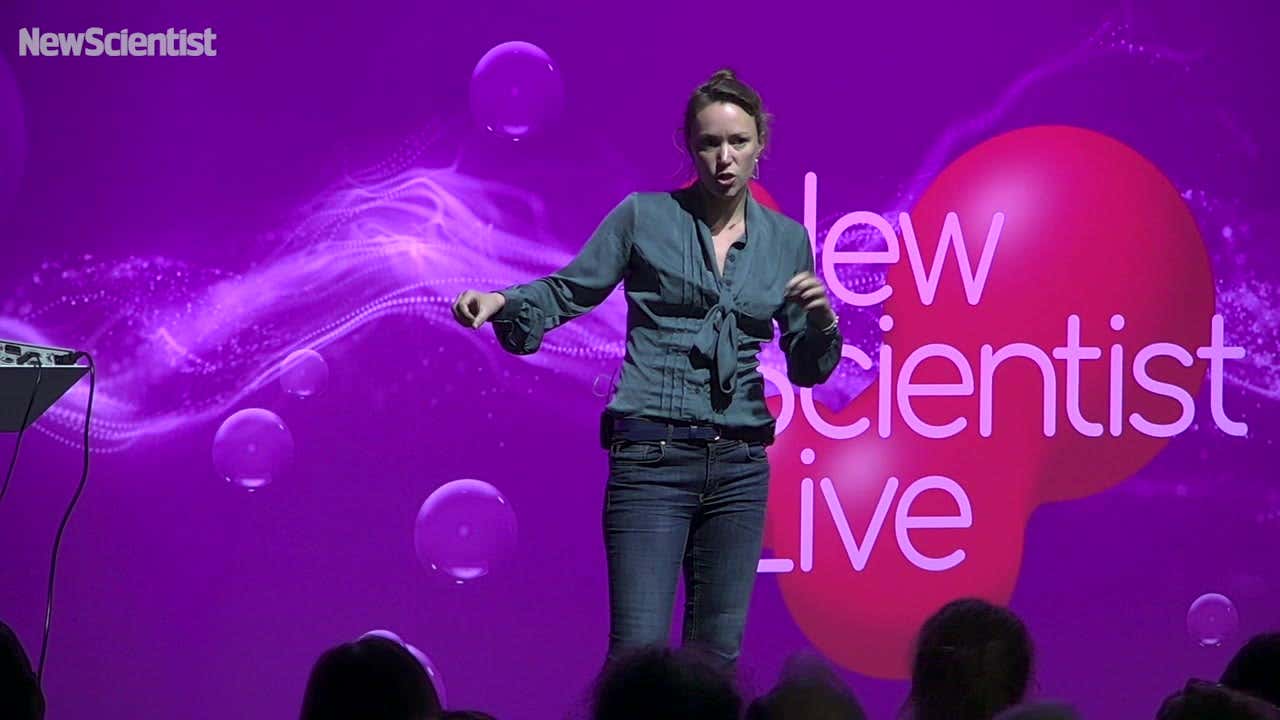
Can we really choose our own fate, or is free will an illusion?
9 December 2019
Neuroscientist Hannah Critchlow asks if your fate is hardwired into your brain, from what you like to eat to who you fall in love with
9 December 2019
Neuroscientist Hannah Critchlow asks if your fate is hardwired into your brain, from what you like to eat to who you fall in love with
5 December 2018
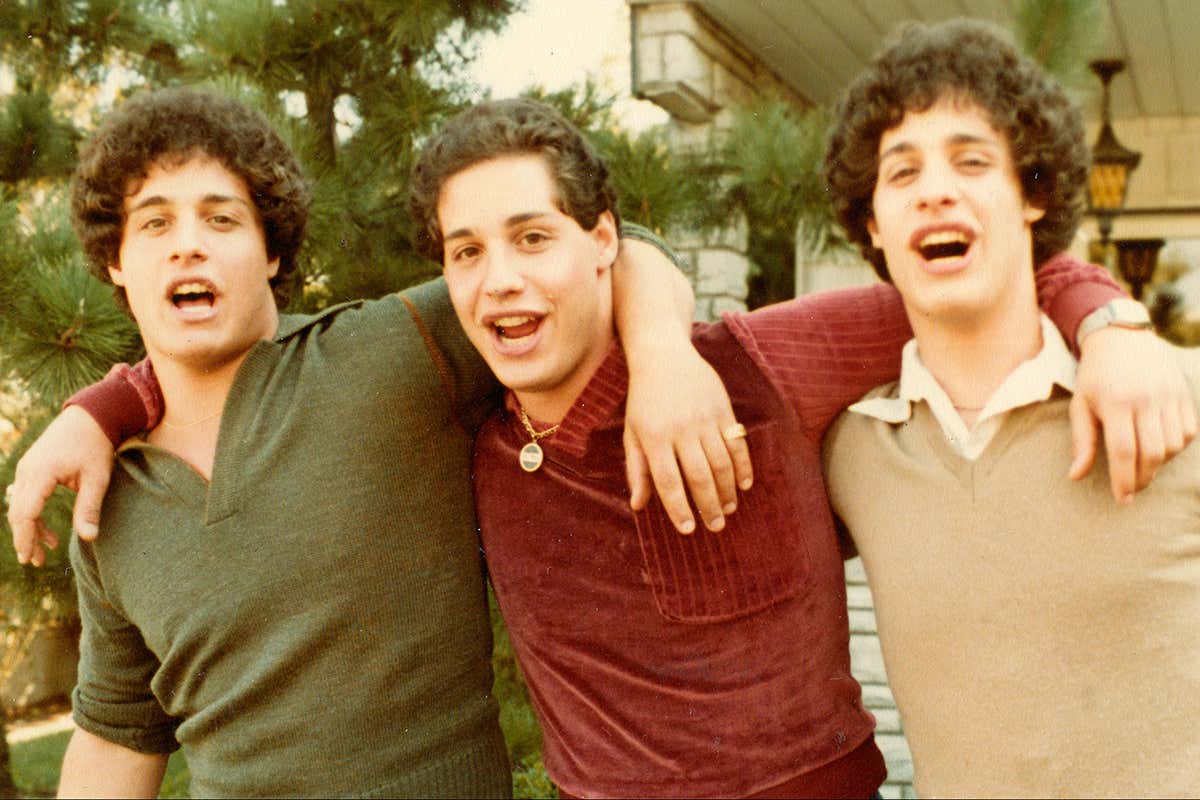
What begins as a feel-good human-interest documentary about the dance of nature and nurture will leave you feeling very angry indeed - and much better informed
8 November 2018
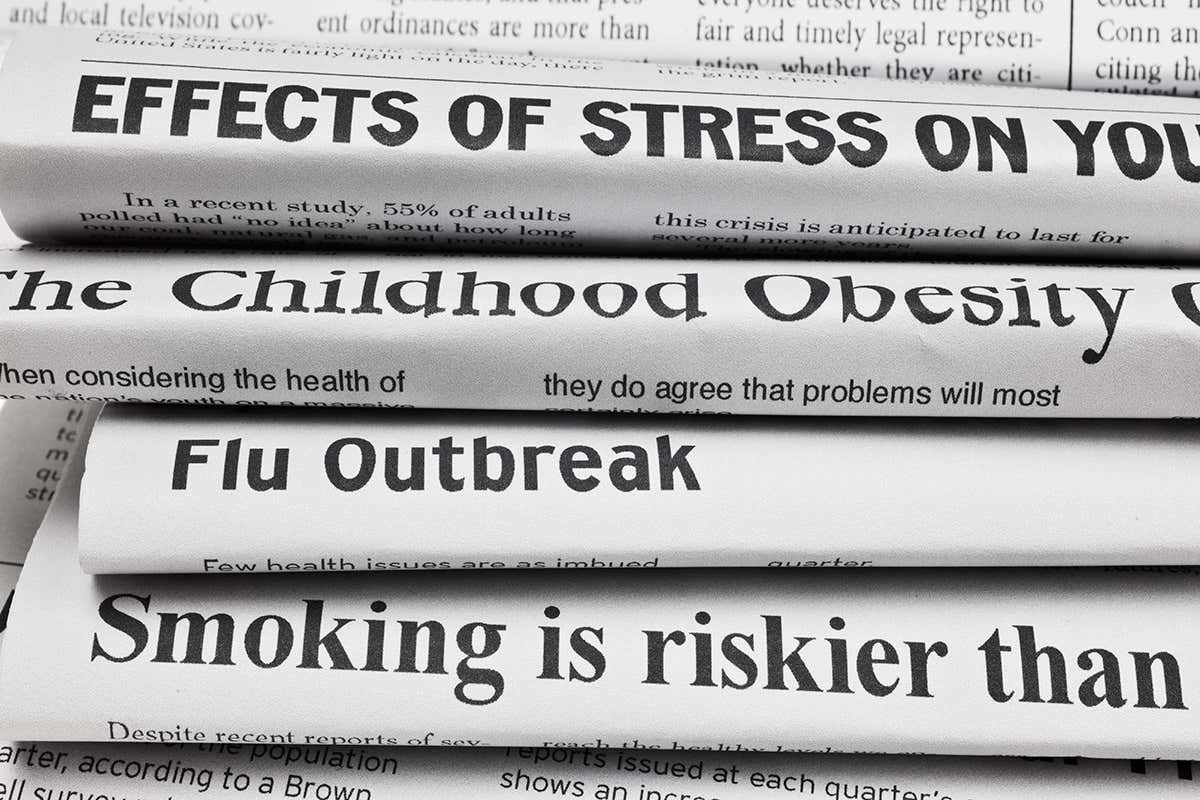
The way in which a statistic is presented can entirely change how alarming it sounds. And too often, both newspapers and scientific journals choose the most alarming, but least informative, way
14 May 2018
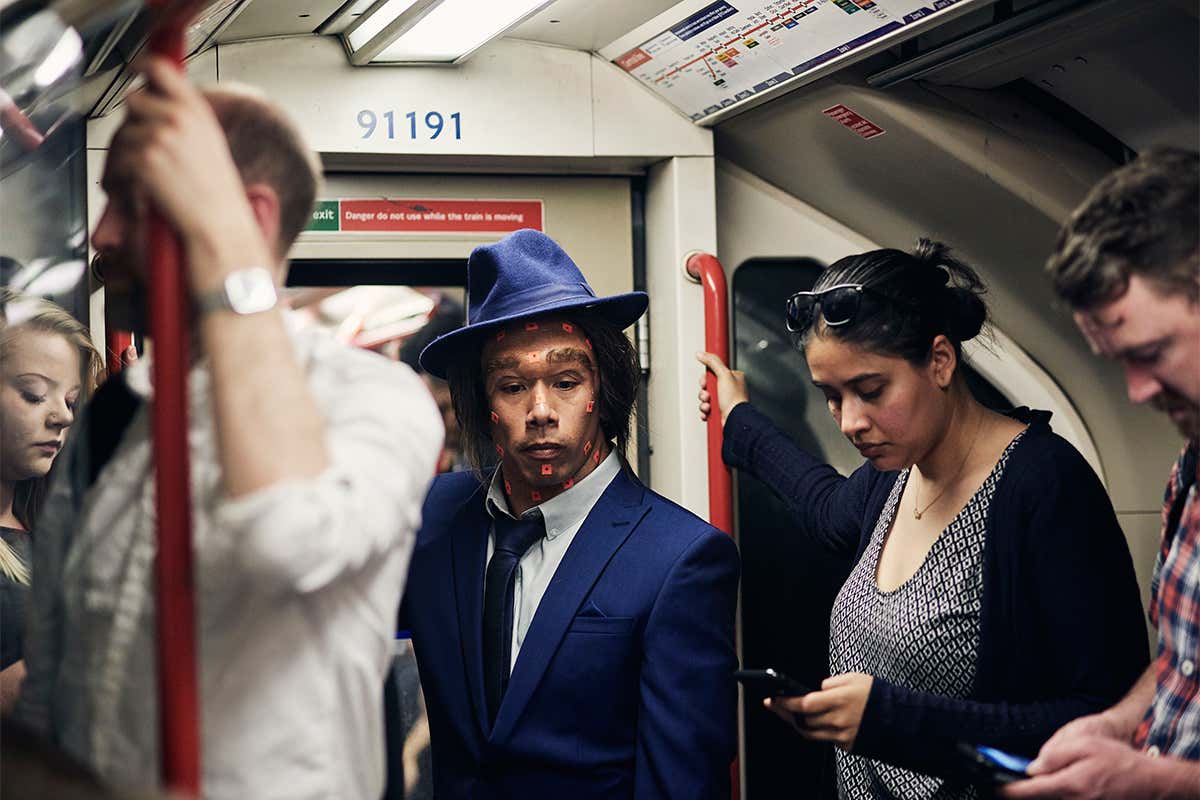
We still see Neanderthals as dim, ape-people despite mounting evidence of their intelligence. Can a CGI makeover with Andy Serkis help transform their image?
8 May 2018
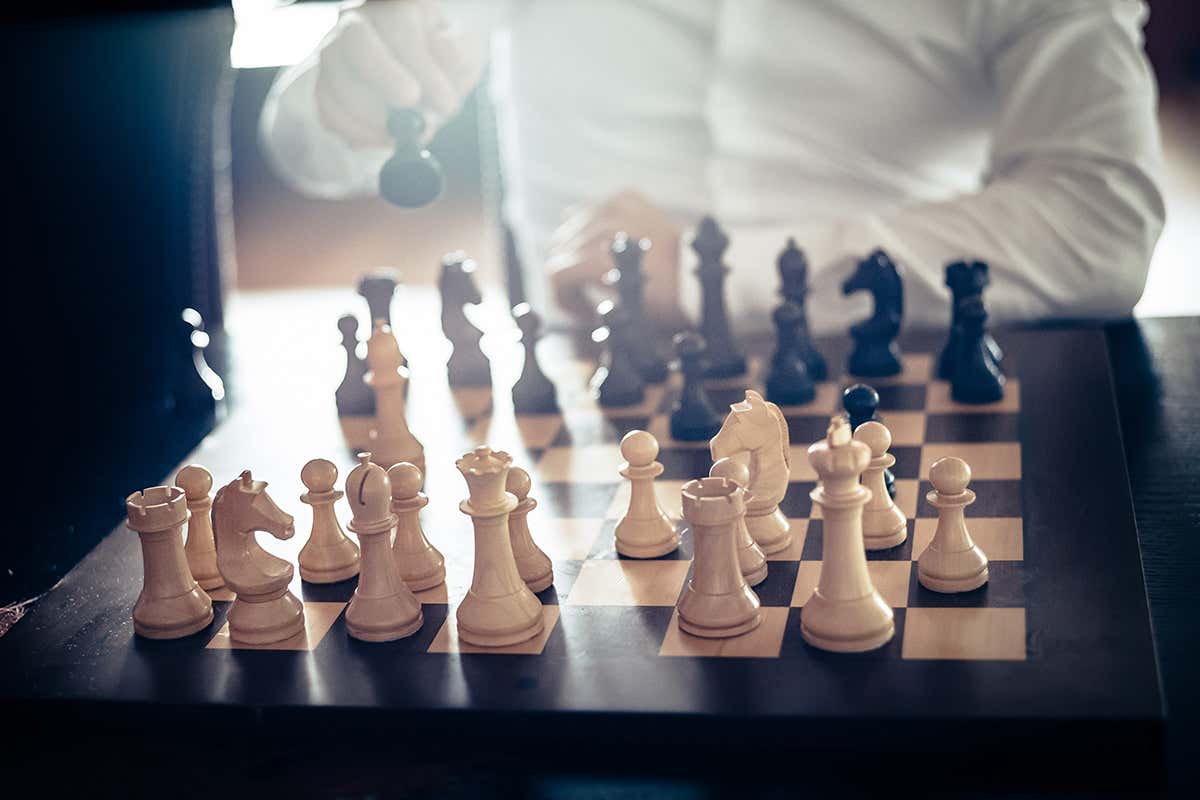
What makes exceptional people? Will we need those extreme abilities in future? An unusual book maps the territory, linking individual stories to science

20 April 2018
People who migrate are at heightened risk of anxiety disorders, and these mental health problems may linger and get more severe through subsequent generations

3 January 2018
From altering your body, enhancing your senses or improving cognitive function, you need to be a risk-taker to plug into the dark arts of body modification
4 December 2017
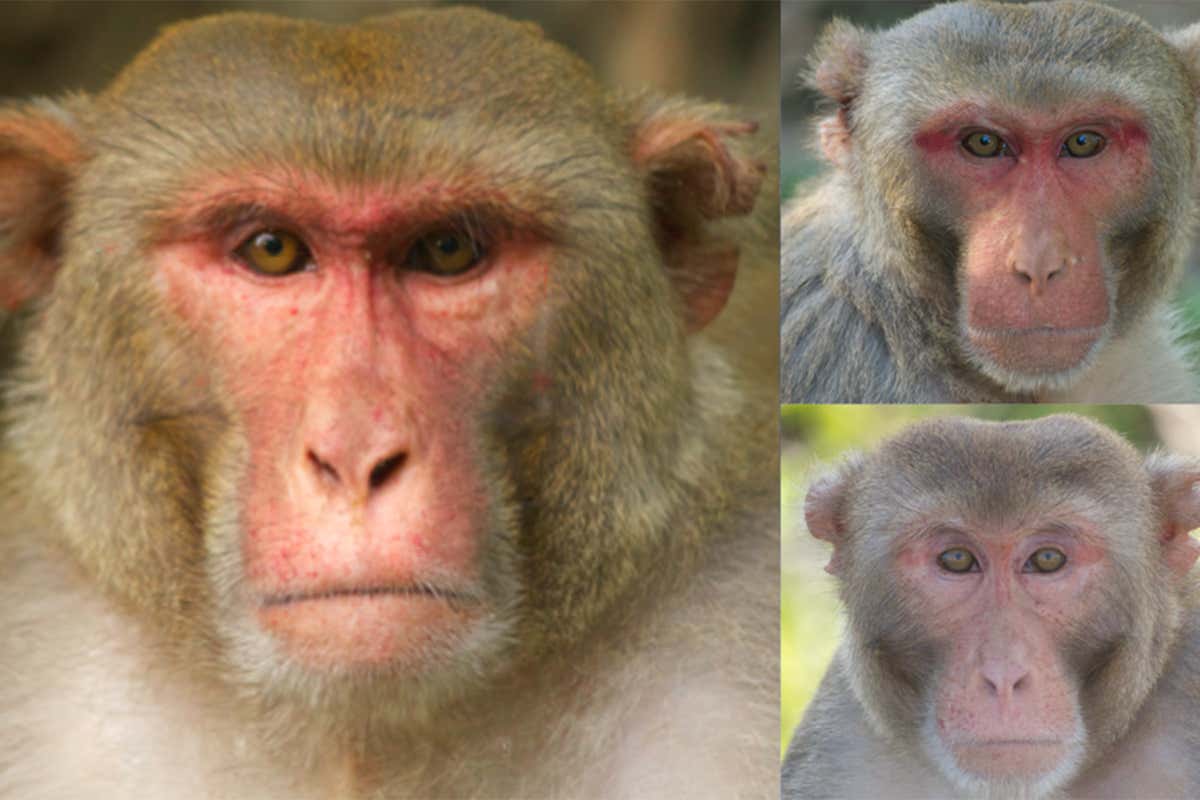
Female monkeys spend more time staring at males that have highly masculine facial features, but we don’t know if they fancy them or fear them
23 November 2017
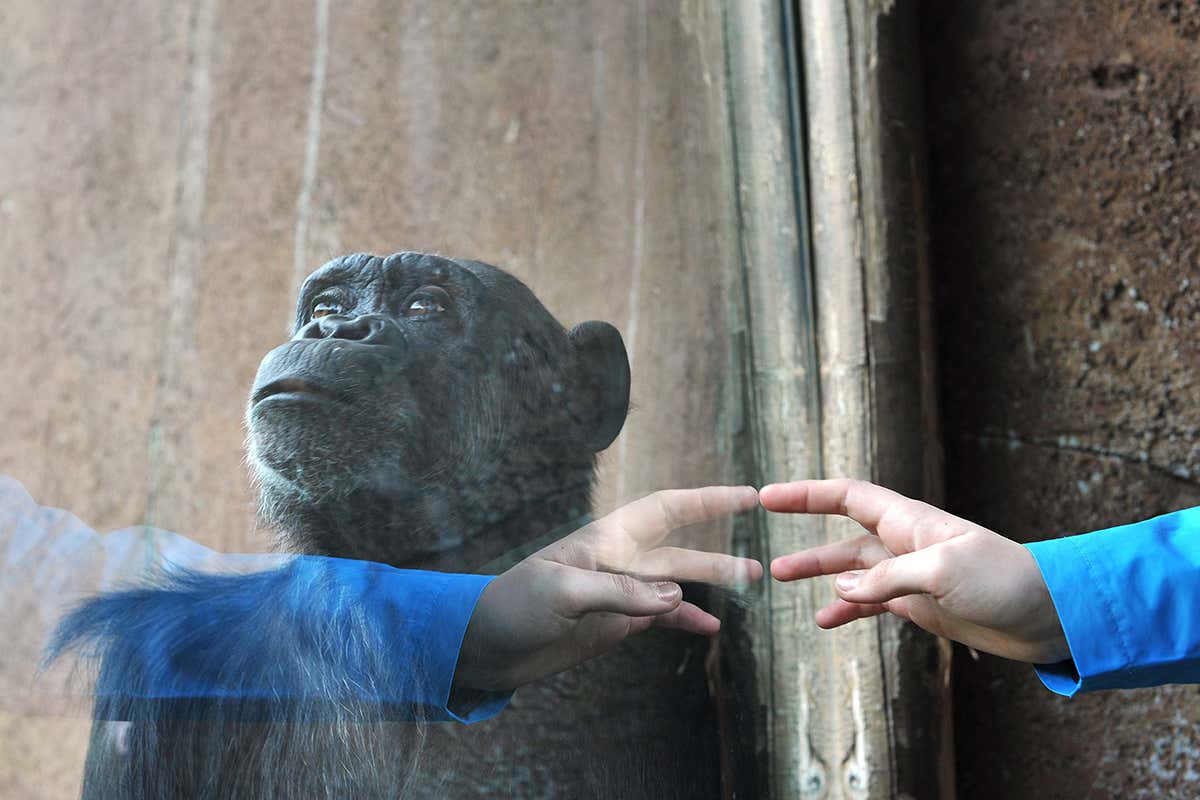
Two “thinking” regions of human brains are much richer in a neurotransmitter called dopamine than the equivalent brain regions in apes and monkeys
17 October 2017
OCD has been linked to genes active in a brain circuit involved in learning and decisions. The finding may help explain why the condition can run in families
