Subscribe now
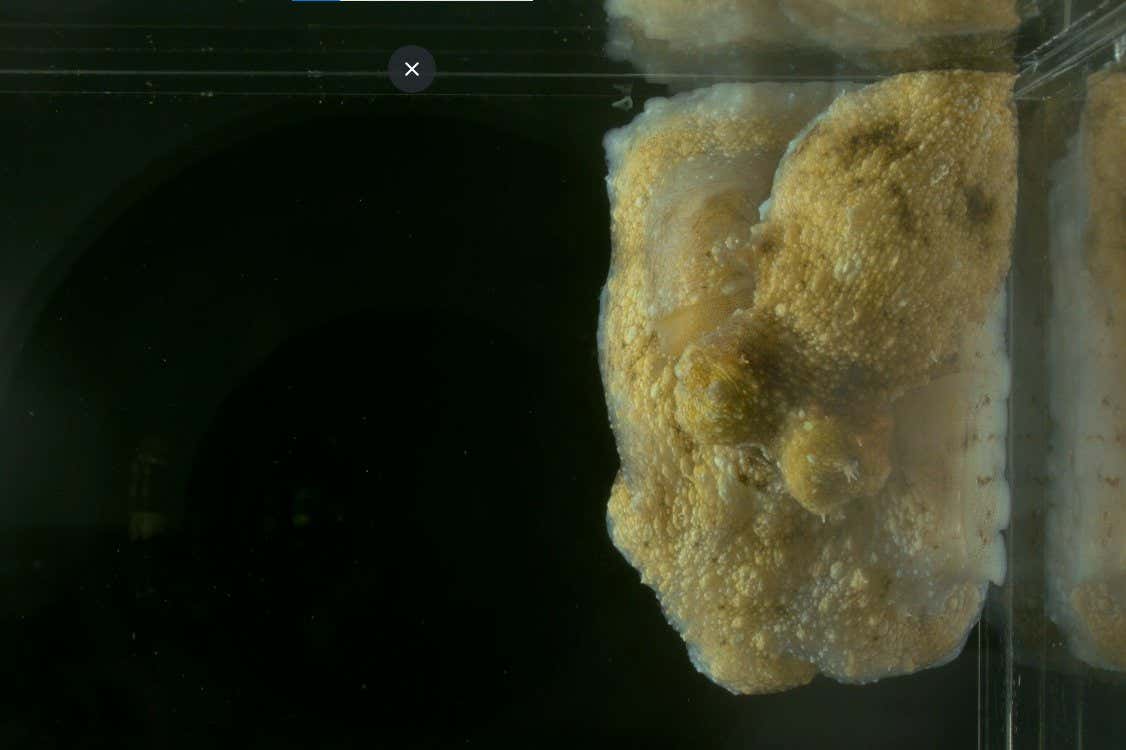
Octopus laqueus having a sleep

Octopuses have a REM-like sleep state where they appear to dream

28 June 2023

By looking at electrical signals octopuses produce in their brain while asleep and awake, researchers have gathered some of the best evidence yet that the cephalopods dream
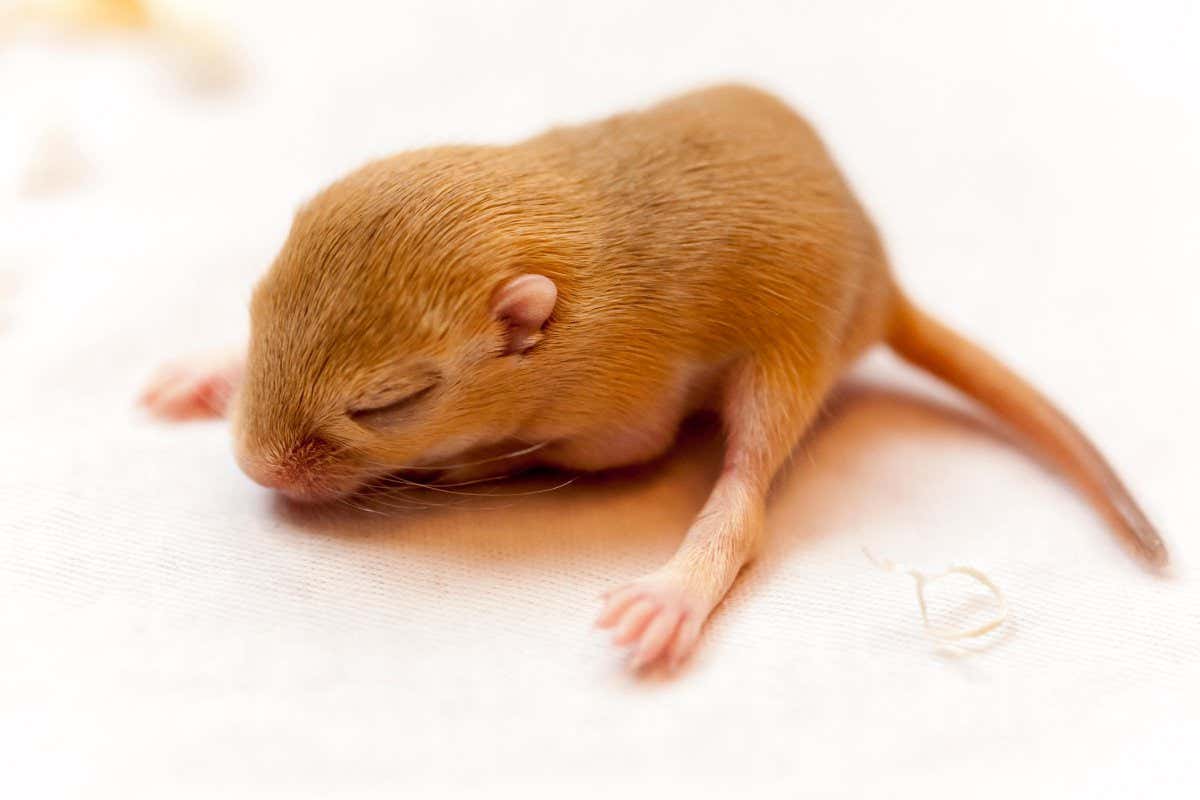


Sleeping mouse

Rapid eye movements during sleep reveal where mice look in dreams

25 August 2022

In mice, jerky eye movements in the REM phase of sleep correlate with recordings of brain activity in cells that track head orientation


Mature man sleeping wearing eye mask close up

Brain cells that regulate wakefulness may become overactive with age

24 February 2022

Brain cells that promote wakefulness fire too much in older mice, which may explain why many people find it harder to sleep as we get older


How the strangeness of our dreams reveals their true purpose

How the strangeness of our dreams reveals their true purpose

4 November 2020

A new explanation for dreaming suggests it does something far more profound than reinforcing learning as we sleep. It might even explain our love of stories


Sleeping baby

The purpose of sleep appears to change when we are toddlers

18 September 2020

Sleep in babies seems to mainly help develop new brain connections, but at the age of around two-and-a-half there is an abrupt shift to brain repair


8 ways to keep your brain young and stave off mental decline

8 ways to keep your brain young and stave off mental decline

23 January 2019

Want to defy ageing and keep your mind sharp? From the right diet to your dental hygiene and social life, here are the best ways to keep your brain fighting fit


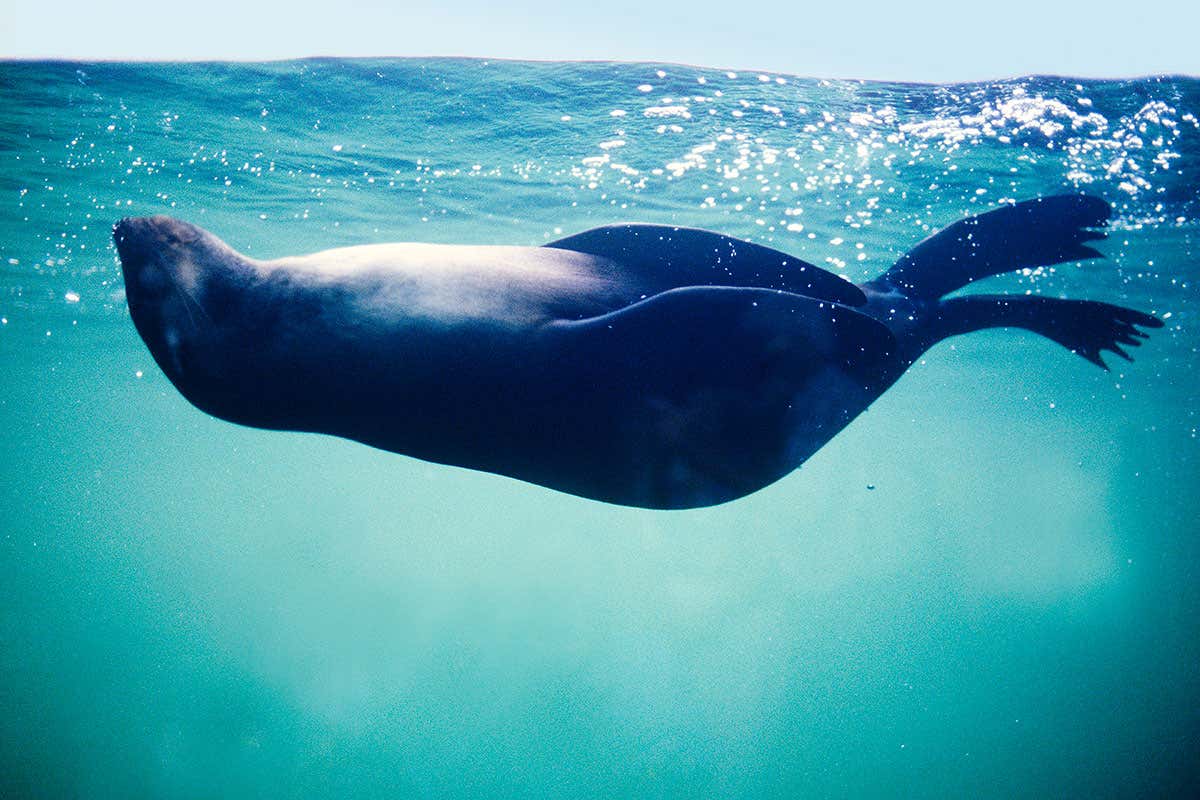
Seals only sleep with half their brain when they're out at sea

Seals only sleep with half their brain when they're out at sea

7 June 2018

Northern fur seals mostly sleep with half their brain while they’re at sea, but sleep with all their brain while on land – unlike any other animal studied


Shadowy figures and fireworks

Keep having nightmares? You may be getting too much sleep

28 July 2017

One of the largest ever studies of the causes of nightmares has found that they are linked to worrying before bedtime, and sleeping for more than 9 hours


Tired man in bed, rubbing his eye, trying to sleep

The brain starts to eat itself after chronic sleep deprivation

23 May 2017

Sleep loss in mice sends the brain’s immune cells into overdrive. This might be helpful in the short term, but could increase the risk of dementia in the long run


Sign up to our weekly newsletter

Receive a weekly dose of discovery in your inbox. We'll also keep you up to date with New Scientist events and special offers.

Sign up
Piano Exit Overlay Banner Mobile Piano Exit Overlay Banner Desktop