Subscribe now

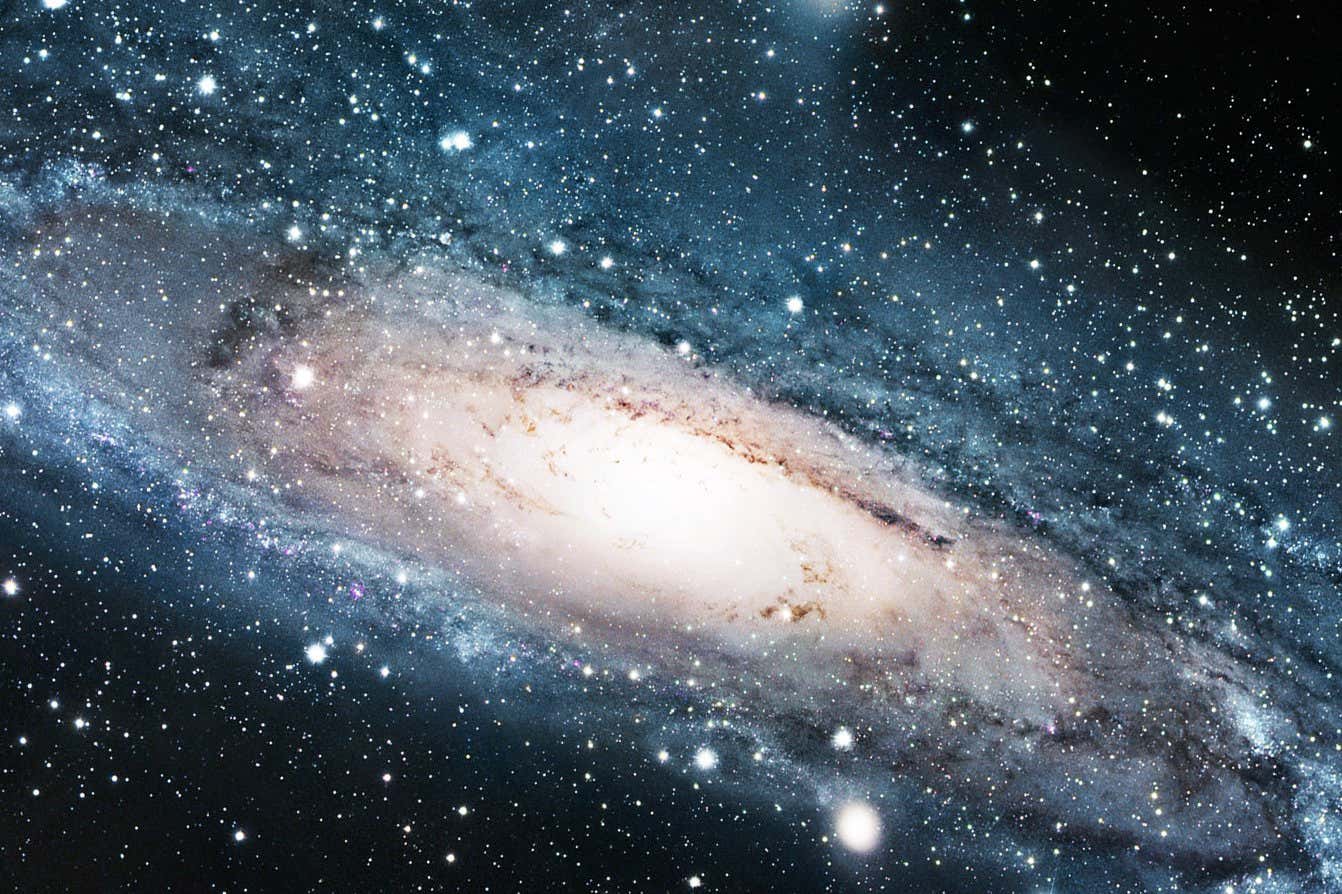
The Milky Way could contain thousands of stars from another galaxy

22 June 2023

We know there are stars moving fast enough to escape the Milky Way, so the same is probably true of other galaxies. Now, simulations suggest there could be almost 4000 stars from the Andromeda galaxy in the Milky Way today
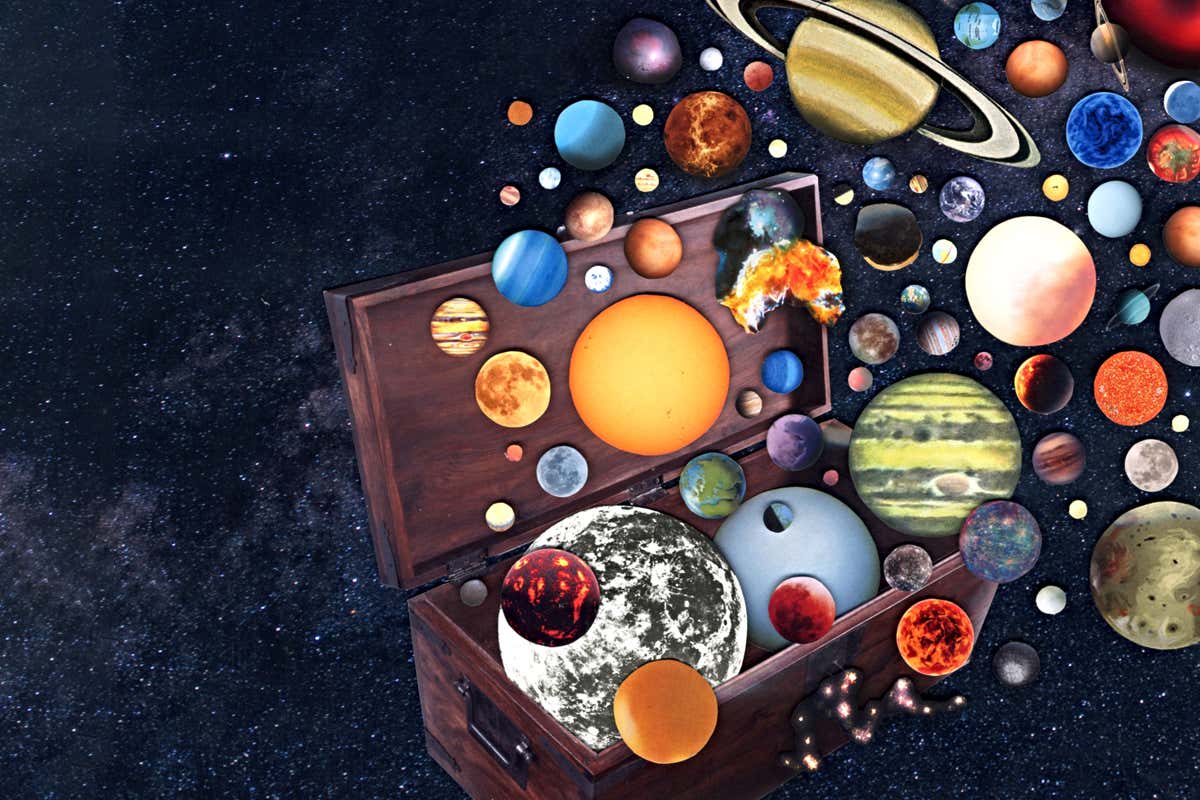
inventory of the universe

Your essential guide to the many breathtaking wonders of the universe

22 April 2023

An abridged inventory of everything there is in the universe – from rogue planets and exomoons to supernovae, supermassive black holes and the cosmic web.


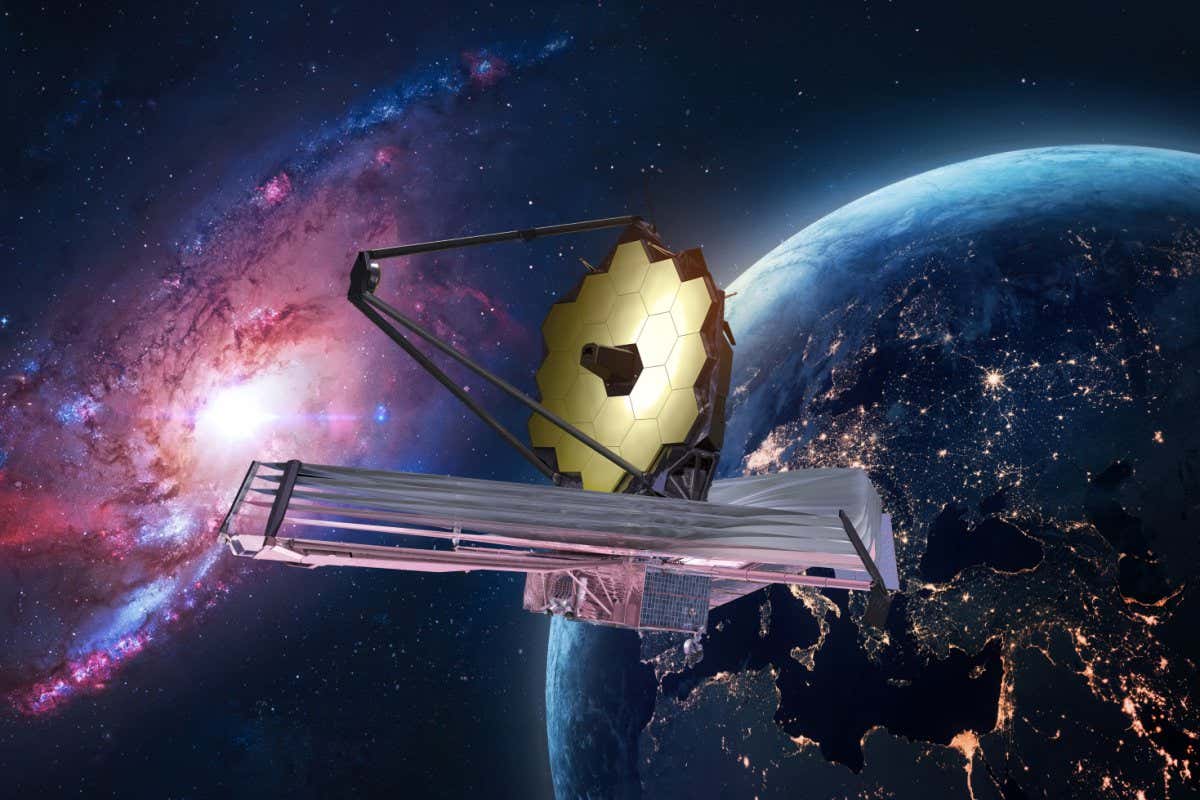
The James Webb Space Telescope

JWST finds that ancient galaxies contain fewer stars than we expected

10 January 2023

A group of ancient galaxies examined by the James Webb Space Telescope contain an order of magnitude fewer stars than expected and they are strangely dim


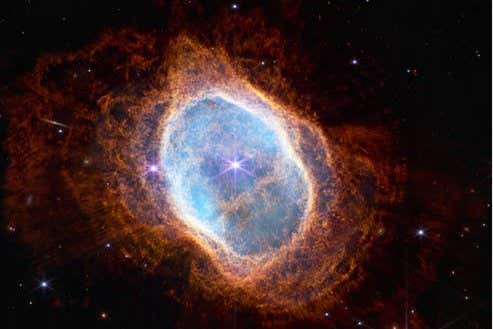
This side-by-side comparison shows observations of the Southern Ring Nebula in near-infrared light, at left, and mid-infrared light, at right, from NASA???s Webb Telescope. This scene was created by a white dwarf star ??? the remains of a star like our Sun after it shed its outer layers and stopped burning fuel though nuclear fusion. Those outer layers now form the ejected shells all along this view. In the Near-Infrared Camera (NIRCam) image, the white dwarf appears to the lower left of the bright, central star, partially hidden by a diffraction spike. The same star appears ??? but brighter, larger, and redder ??? in the Mid-Infrared Instrument (MIRI) image. This white dwarf star is cloaked in thick layers of dust, which make it appear larger. The brighter star in both images hasn???t yet shed its layers. It closely orbits the dimmer white dwarf, helping to distribute what it???s ejected. Over thousands of years and before it became a white dwarf, the star periodically ejected mass ??? the visible shells of material. As if on repeat, it contracted, heated up ??? and then, unable to push out more material, pulsated. Stellar material was sent in all directions ??? like a rotating sprinkler ??? and provided the ingredients for this asymmetrical landscape. Today, the white dwarf is heating up the gas in the inner regions ??? which appear blue at left and red at right. Both stars are lighting up the outer regions, shown in orange and blue, respectively. The images look very different because NIRCam and MIRI collect different wavelengths of light. NIRCam observes near-infrared light, which is closer to the visible wavelengths our eyes detect. MIRI goes farther into the infrared, picking up mid-infrared wavelengths. The second star more clearly appears in the MIRI image, because this instrument can see the gleaming dust around it, bringing it more clearly into view. The stars ??? and their layers of light ??? steal more attention in the NIRCam image, while dust pl

James Webb Space Telescope releases dazzling first science images

12 July 2022

Incredibly clear images of the Carina Nebula, the Eight-Burst Nebula, a galaxy cluster called Stephan’s Quintet and an exoplanet named WASP-96b make up the first set of science data from JWST


The Large Magellanic Cloud

The history of the Large Magellanic Cloud has been mapped in detail

27 August 2021

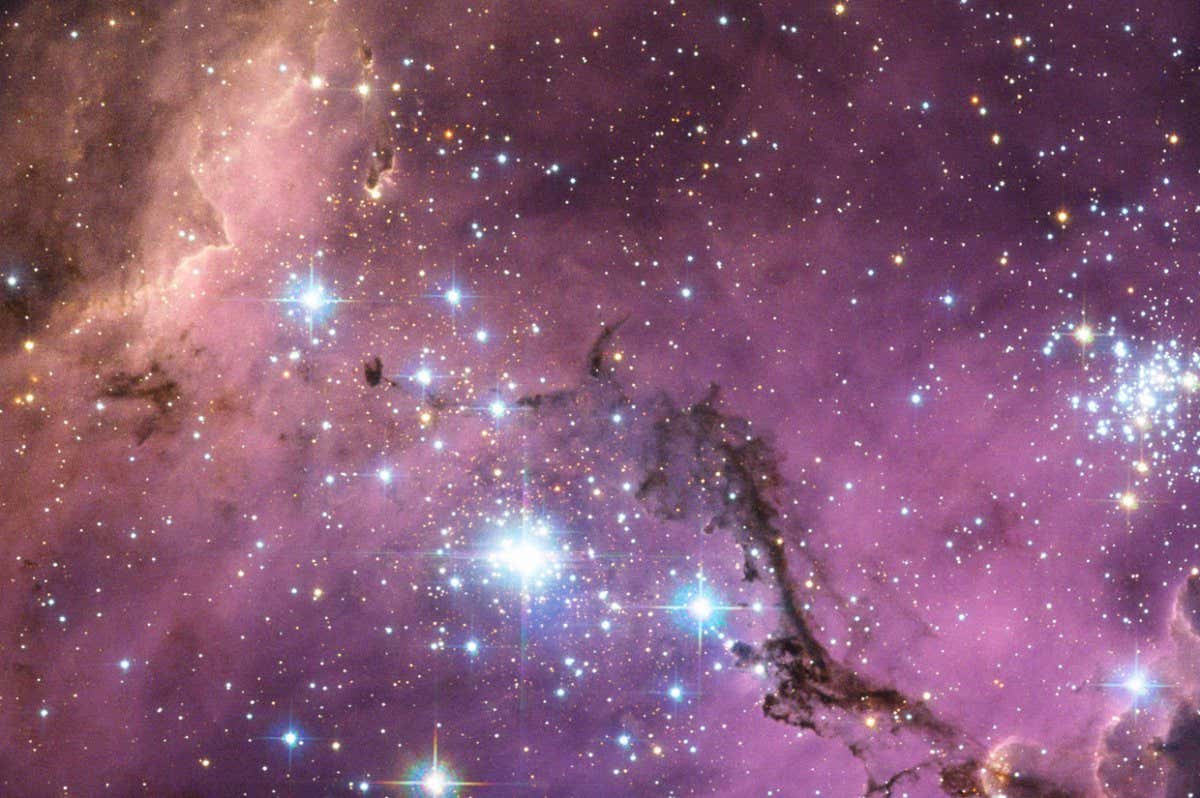
Astronomers have mapped the history of one of the nearest galaxies, the Large Magellanic Cloud, in more detail than ever before, showing when its stars formed


We finally know when the first stars in the universe switched on

We finally know when the first stars in the universe switched on

24 June 2021

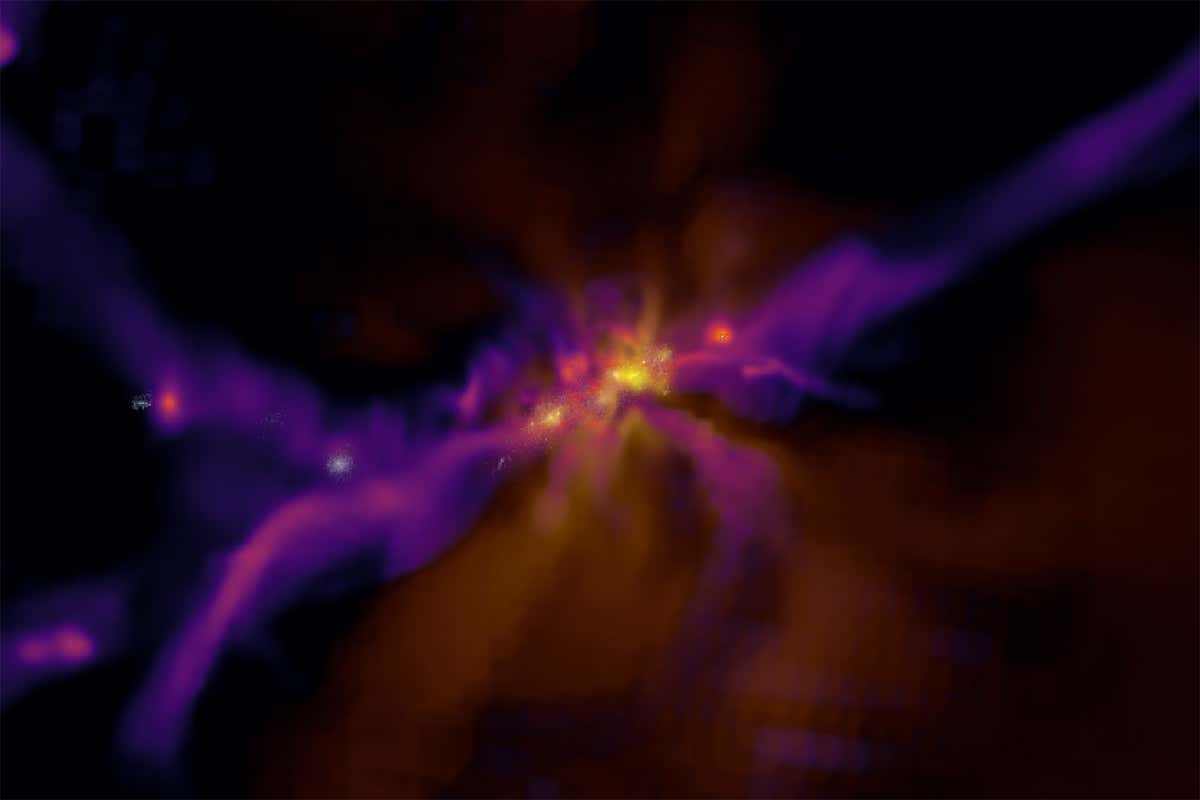
The most detailed observations of some of the most distant galaxies we have ever seen have revealed the timing of cosmic dawn, when the first stars began to shine


Sagittarius dwarf galaxy

The sun may have formed because a small galaxy passed by the Milky Way

25 May 2020

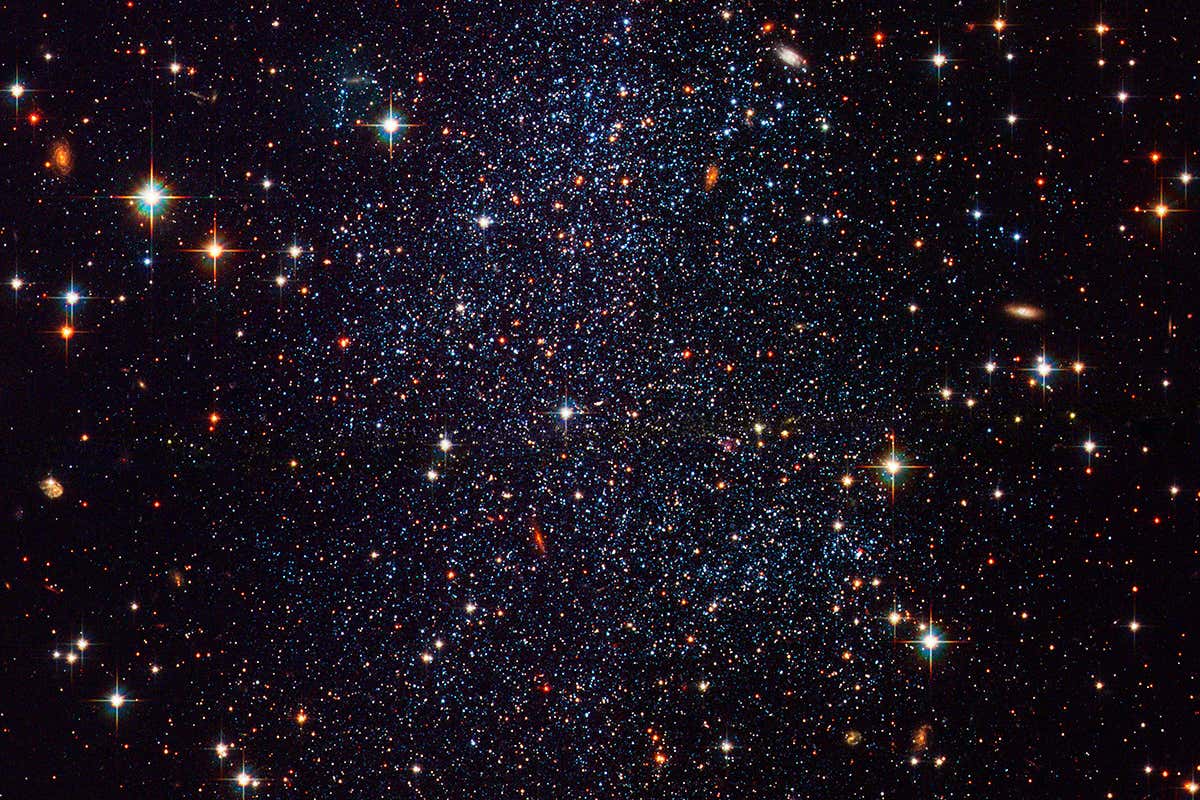
A small galaxy called Sagittarius passed close to the Milky Way four times in the past 6 billion years, which may have caused periods of intense star formation


Strange 'space cow' explosion may have been the birth of a black hole

Strange 'space cow' explosion may have been the birth of a black hole

18 May 2020

A mysterious space explosion nicknamed “the Cow” was probably caused by the explosion of a massive star which may have resulted in the birth of a small black hole


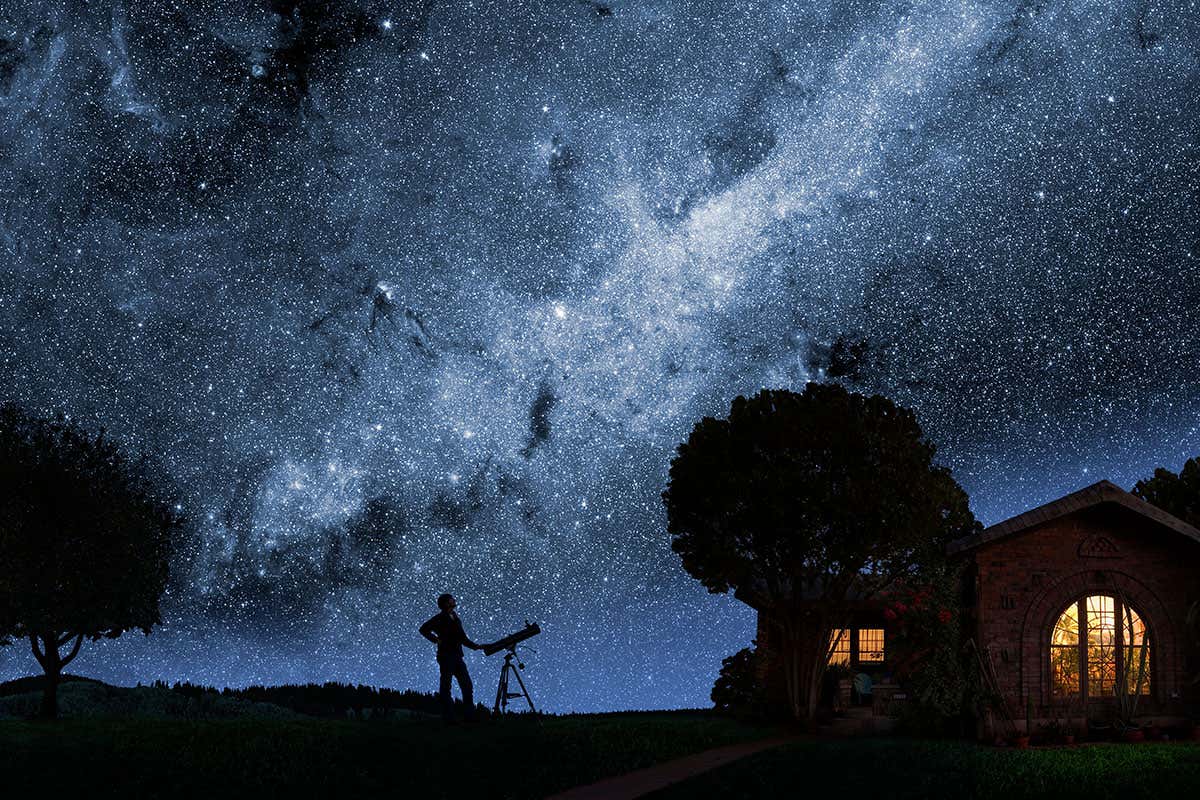
A man gazes at the Milky Way

Figuring out what the Milky Way looks like is akin to a murder mystery

29 January 2020

How can we get a picture of the whole Milky Way if we are inside it? Good sleuthing is needed to combine all the clues, writes Chanda Prescod-Weinstein


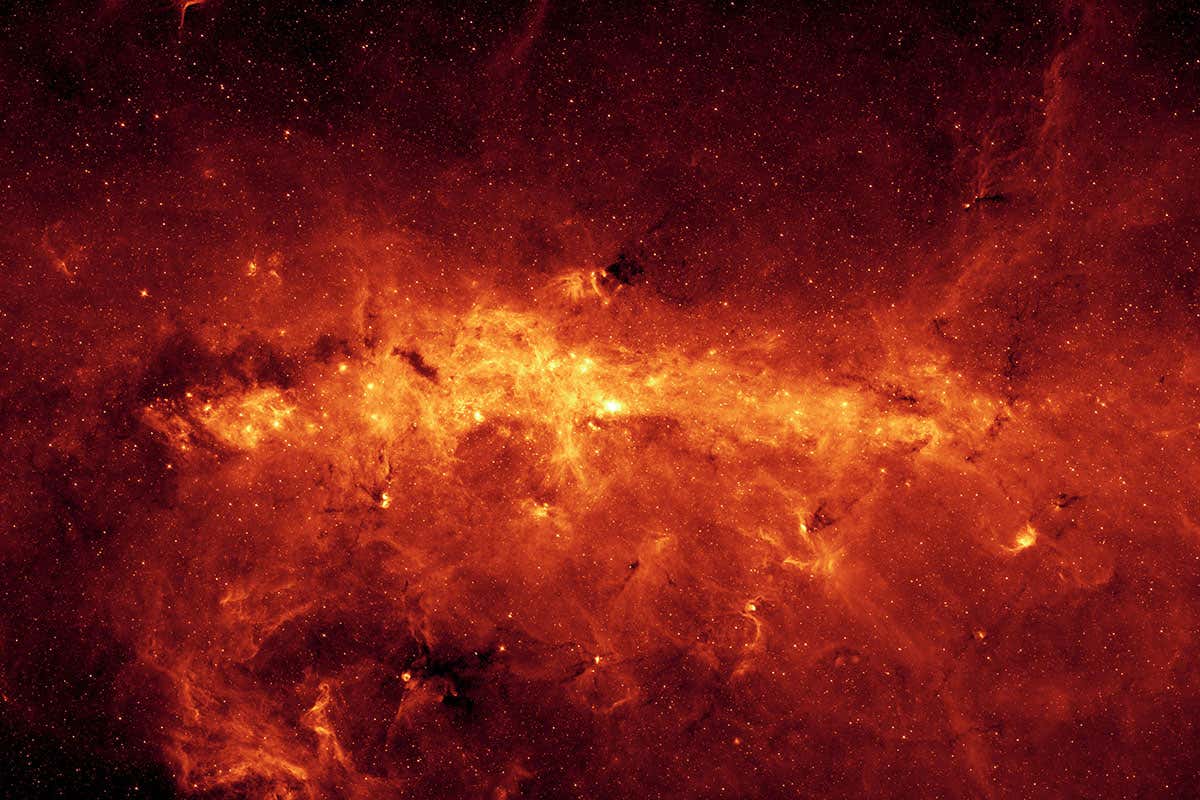
The Milky Way

A single star has let us put a date on our galaxy’s last cosmic meal

13 January 2020

The Milky Way ate another galaxy called Gaia-Enceladus, and the waves passing through a star have shown us that it happened at most 11.6 billion years ago


Sign up to our weekly newsletter

Receive a weekly dose of discovery in your inbox. We'll also keep you up to date with New Scientist events and special offers.

Sign up
Piano Exit Overlay Banner Mobile Piano Exit Overlay Banner Desktop