
Two new sabretooth cat species identified from fossils in South Africa
20 July 2023
Two sabretooth cat species that lived 5 million years ago had 10-centimetre-long fangs, which they probably used to hunt prey in forested landscapes like leopards do
20 July 2023
Two sabretooth cat species that lived 5 million years ago had 10-centimetre-long fangs, which they probably used to hunt prey in forested landscapes like leopards do
14 July 2023
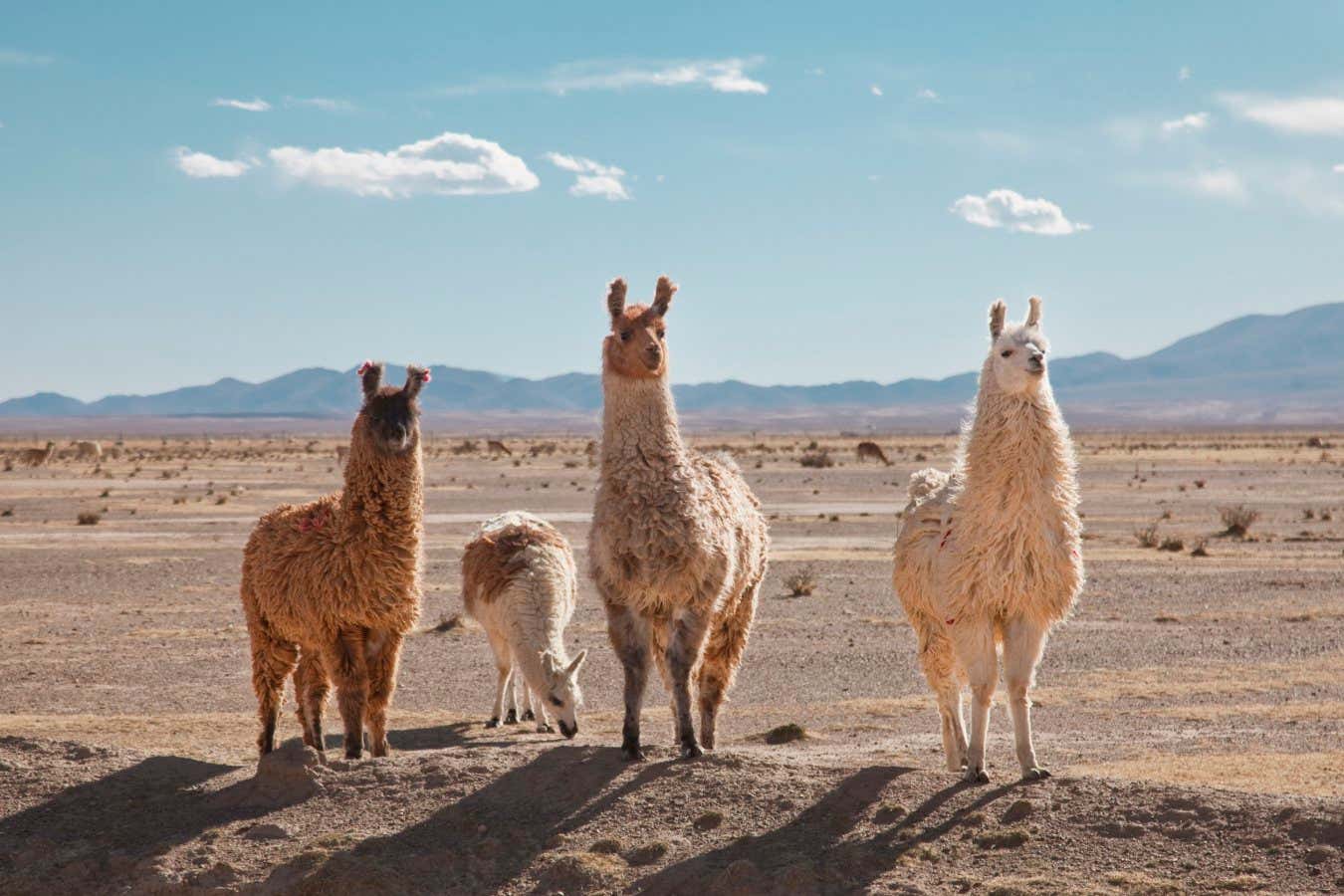
Llamas are able to learn from other llamas and even more effectively from humans, possibly because thousands of years of domestication gave them the ability to read human social cues
13 July 2023
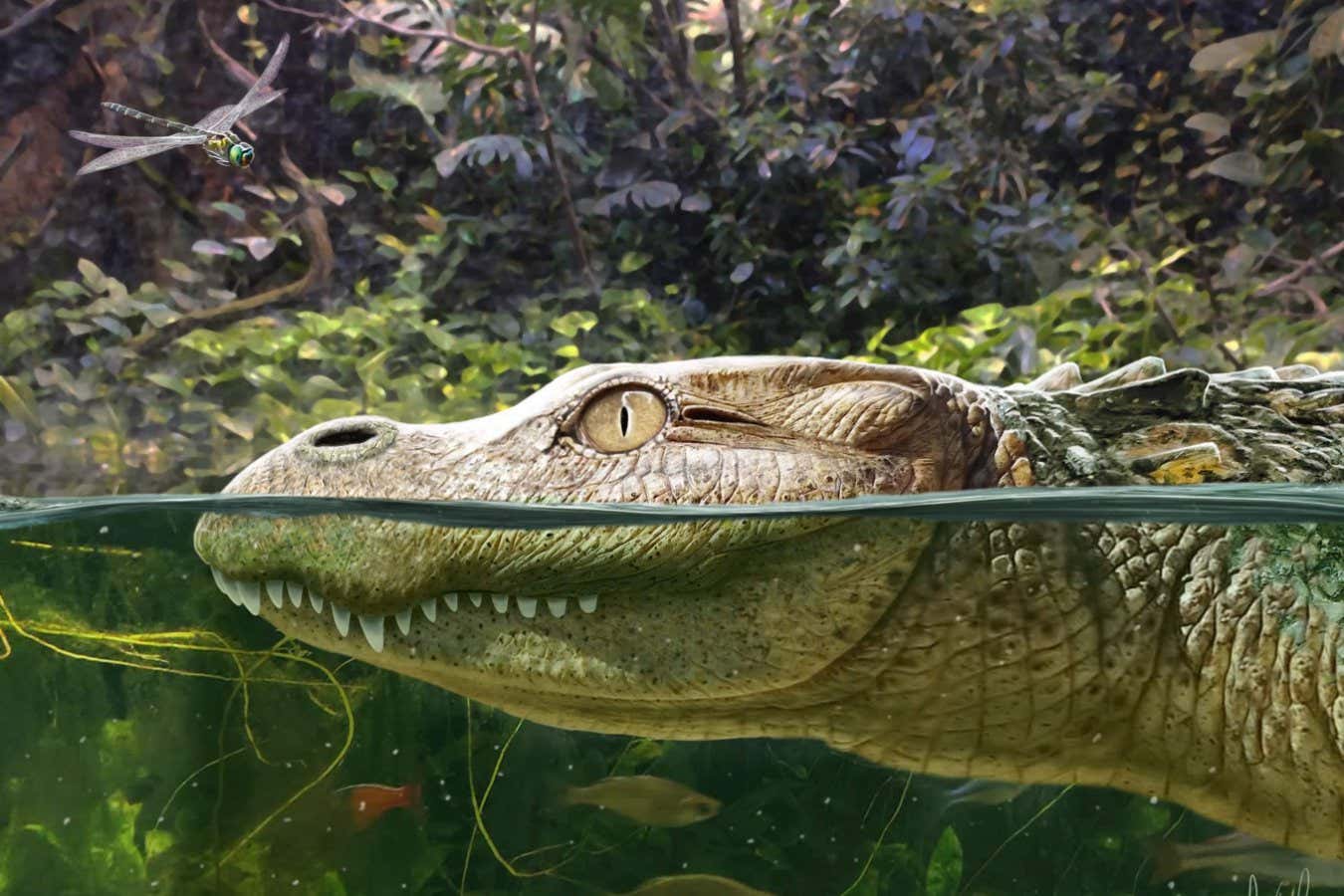
A fossil has been identified as an ancient alligator species with a very short snout, ridged skull and teeth made for crushing hard shells, suggesting that it may have munched on snails along with other prey
11 July 2023
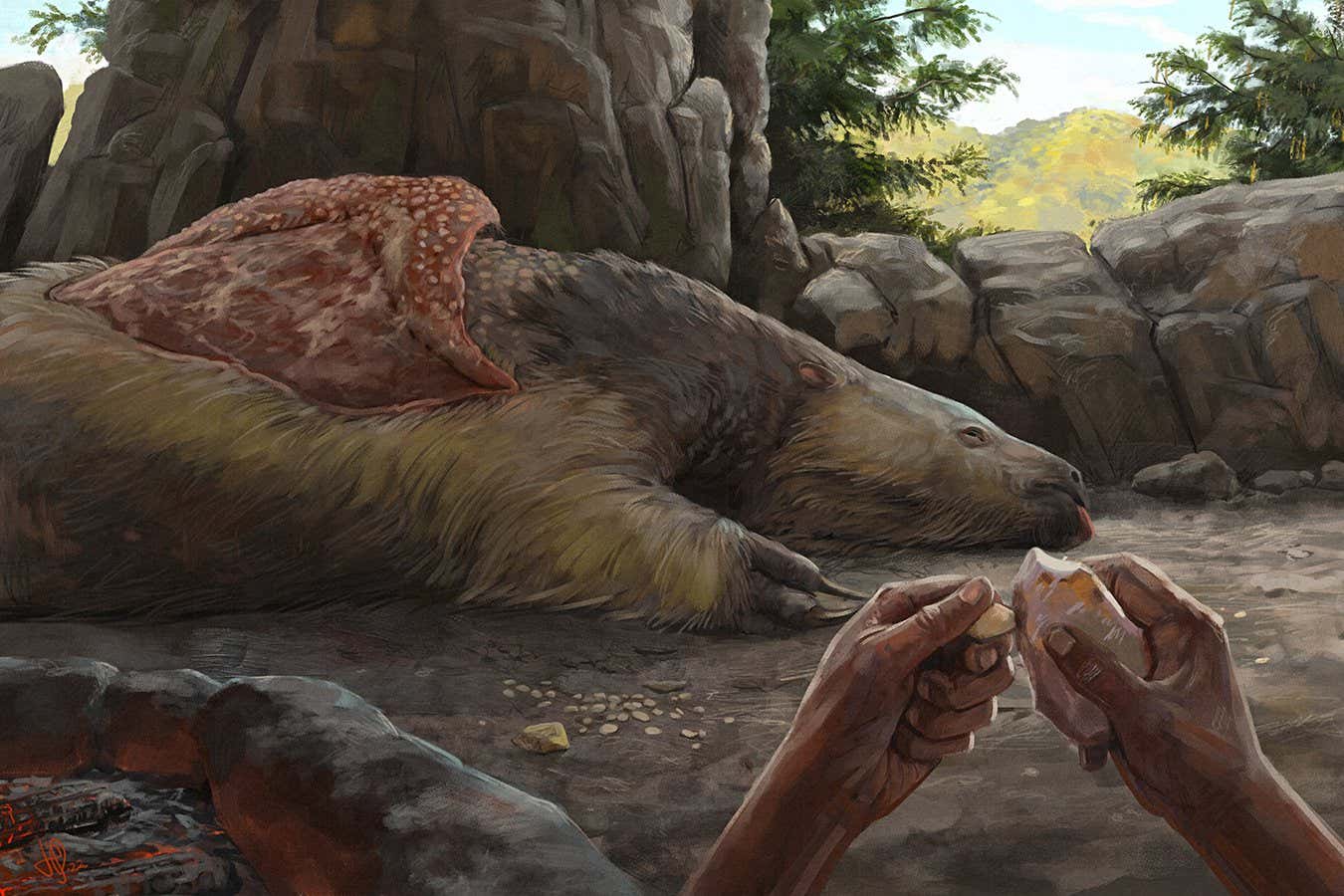
The bones were shaped by people using stone tools before they were fossilised, adding new evidence for humans’ arrival in the Americas before the end of the last glacial period

7 July 2023
Jaguar attacks on pets and farm animals are a common problem, but after developing a drug-induced stomach ache, the big cats seem to learn not to kill certain animals
27 June 2023
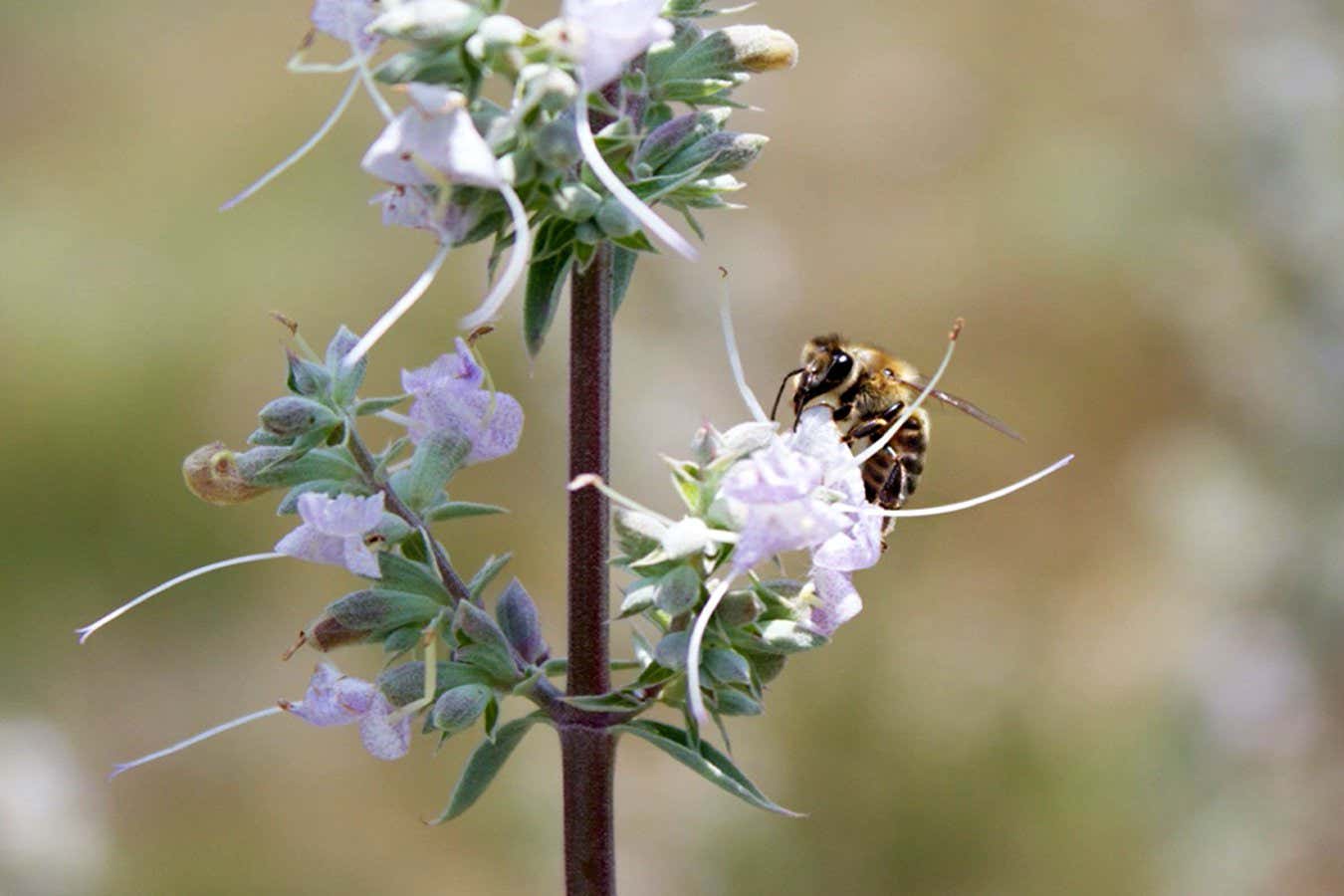
Honeybees brought to the US from Europe and Africa tend to move pollen between flowers on the same plant more than native bees do. This appears to lower the quality of some plants’ offspring
21 June 2023
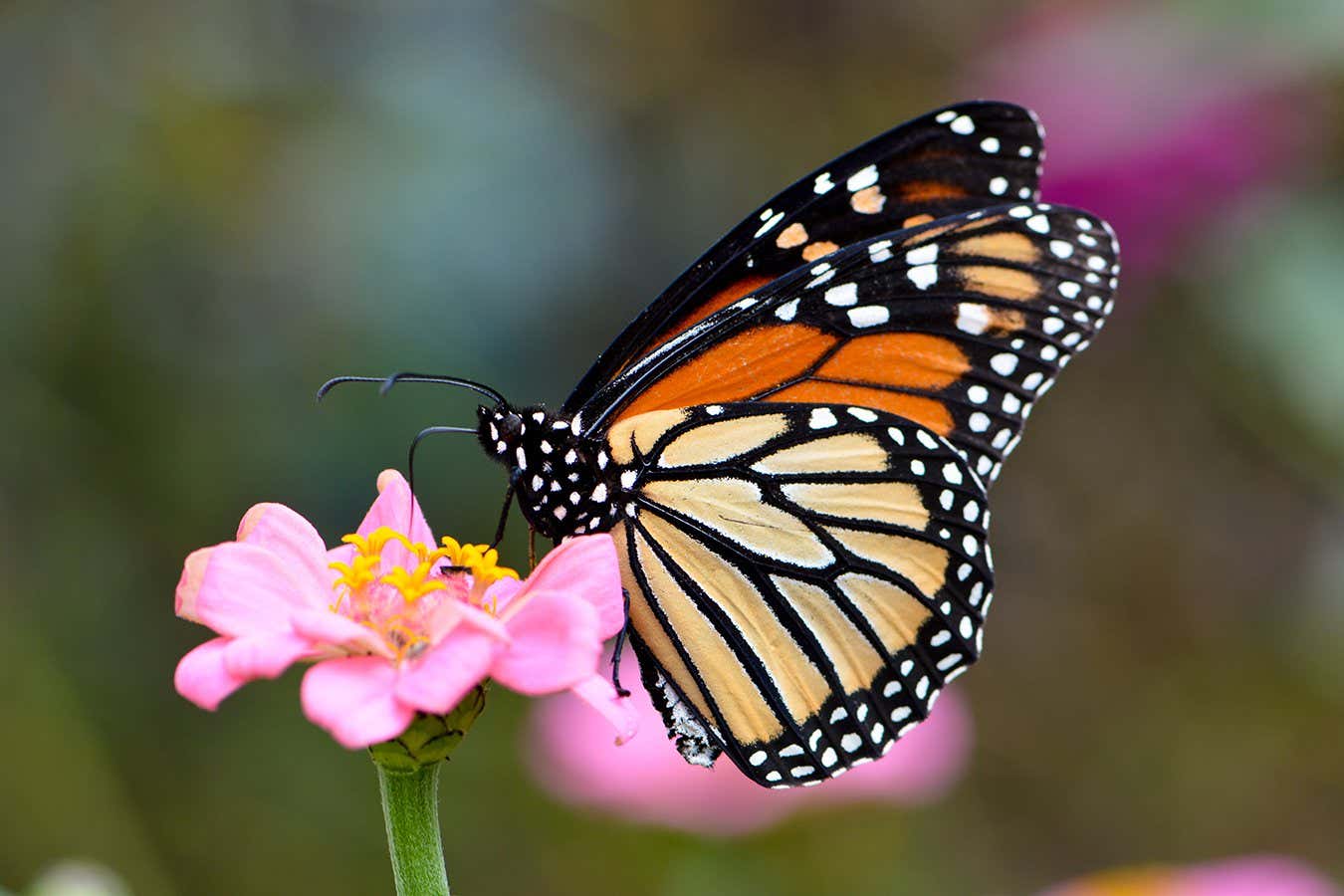
The big white spots seen on the wings of migratory monarch butterflies may have evolved to help them fly more efficiently on their long, hot journeys
20 June 2023
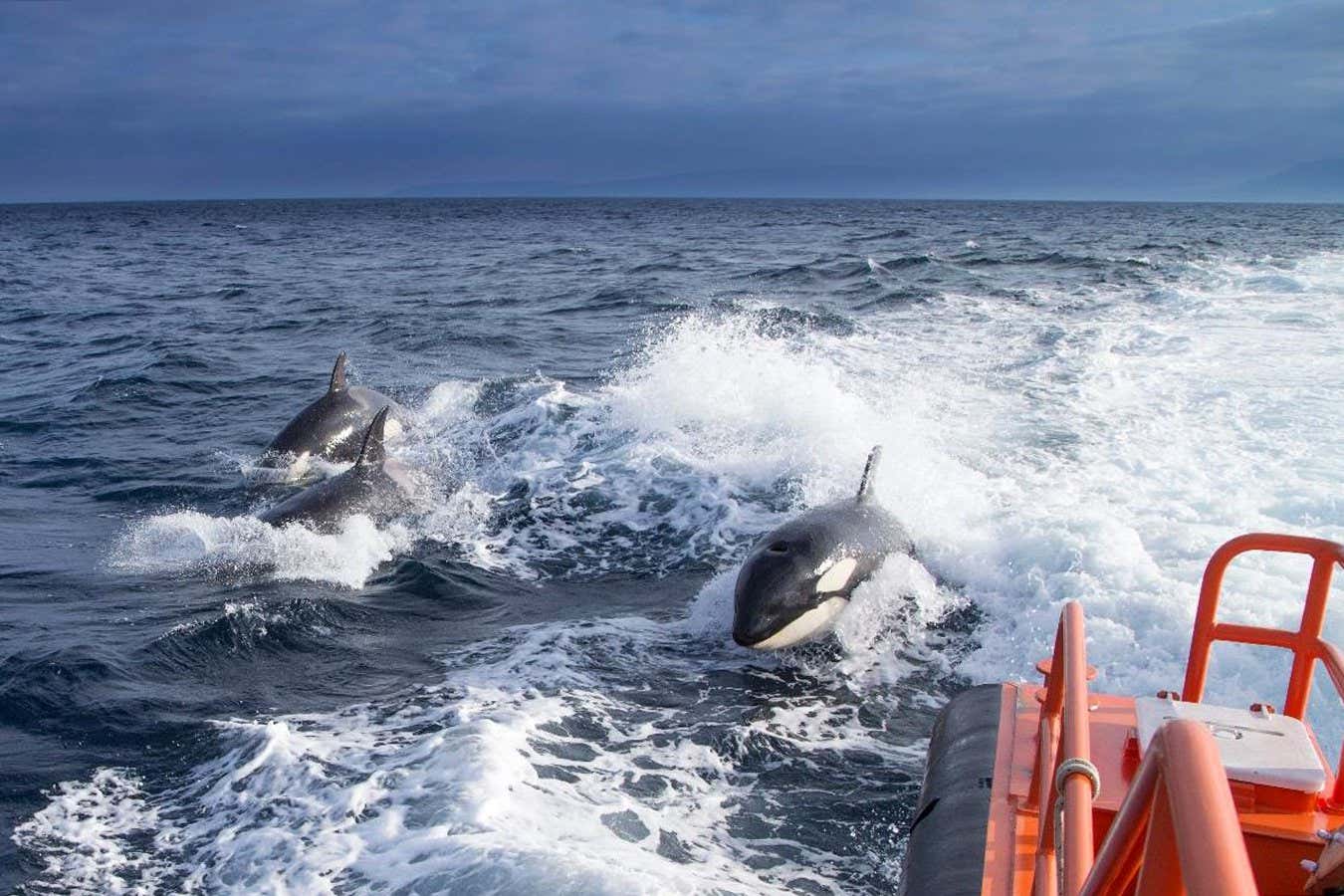
Orcas have been documented damaging or sinking boats off the coast of Spain and Portugal, but these altercations may simply be the whales scratching their backs on boats or playing terrifying games
14 June 2023
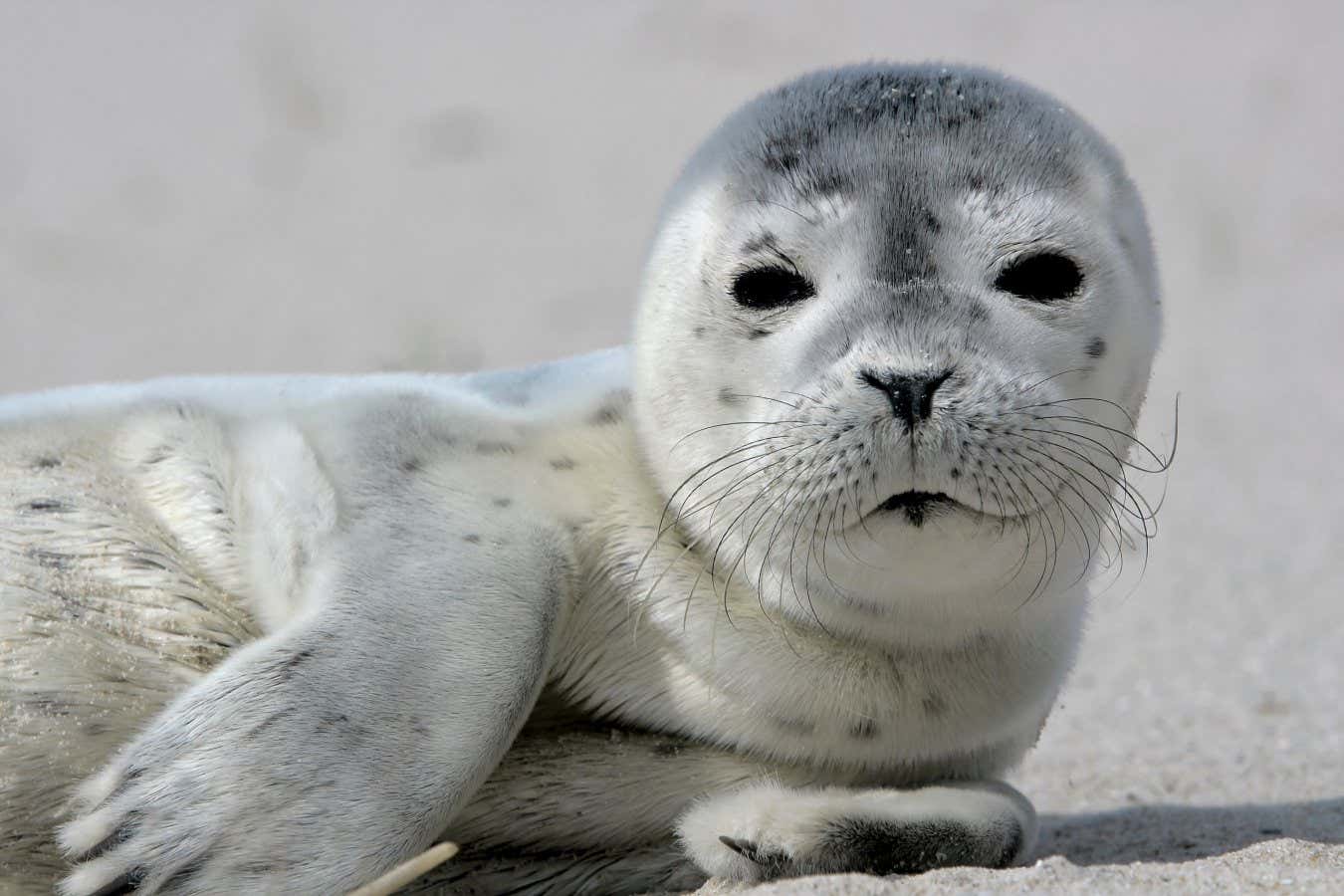
Male harbour seals use vocalisations to woo females and they appear to learn these songs years before they need them
11 June 2023
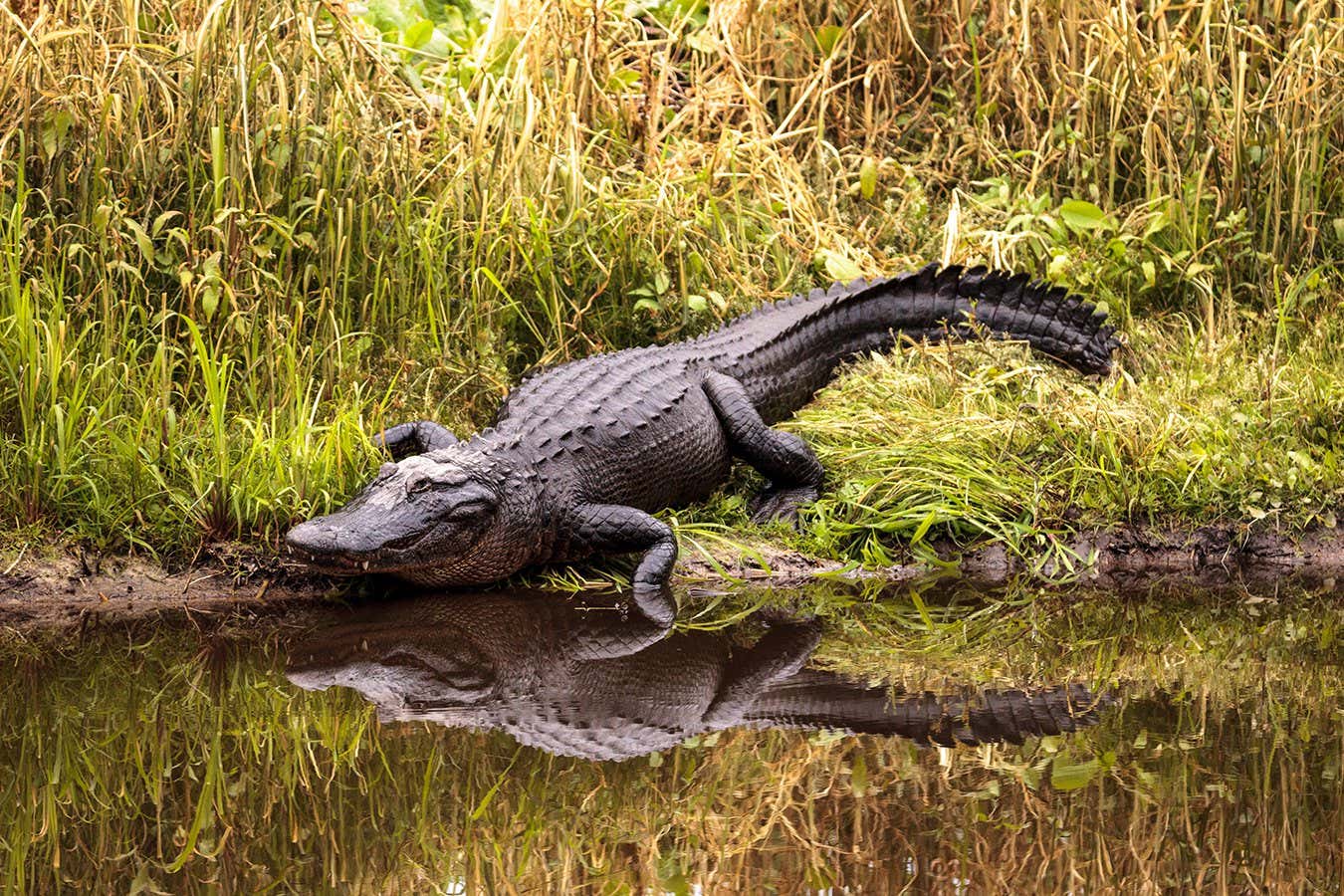
Alligator ponds have a greater diversity and abundance of plants and animals compared with the surrounding marsh, and offer aquatic refuge in dry months
