Subscribe now
Crucial research update on ‘exopets’ unveiled

Crucial research update on ‘exopets’ unveiled

13 April 2022

As astronomers further their investigations into the floofiest transits on Zoom, Feedback also welcomes the return to Cambridge University Library of two priceless Darwin manuscripts in a pink gift bag


How interior design choices can boost your mental and physical health

How interior design choices can boost your mental and physical health

13 April 2022

Neuroscientists have figured out what interior design choices, from flooring to lighting, can help create homes that improve our mental health, decrease stress and fatigue, and even spark creativity


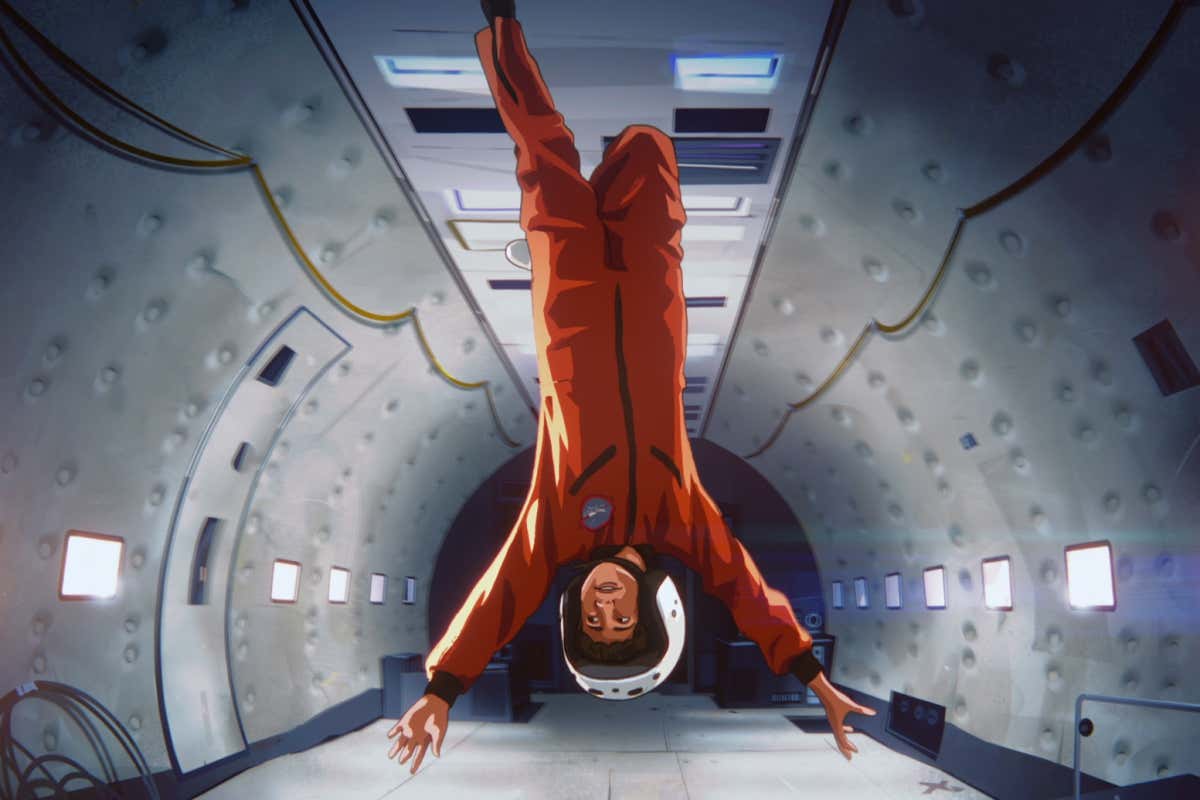
Apollo 10½: A smart animation about growing up during the space age

Apollo 10½: A smart animation about growing up during the space age

13 April 2022

Richard Linklater's latest film follows a young boy's fantasies about travelling to space, using beautiful rotoscoped animation to tell his story, says Simon Ings


Don’t Miss: Russian Doll returns to Netflix for more time loop fun

Don’t Miss: Russian Doll returns to Netflix for more time loop fun

13 April 2022

New Scientist's weekly round-up of the best books, films, TV series, games and more that you shouldn't miss


Tremors in the Blood review: The intriguing origins of the polygraph

Tremors in the Blood review: The intriguing origins of the polygraph

13 April 2022

Amit Katwala's thorough history of the lie detector test looks at its inventors and some of its earliest cases, placing it, warts and all, in its historical and scientific context


Wired for Love review: A neuroscientist investigates her marriage

Wired for Love review: A neuroscientist investigates her marriage

13 April 2022

This moving book sees neuroscientist Stephanie Cacioppo explore the effect on her cognitive functioning when she fell in love with a fellow scientist


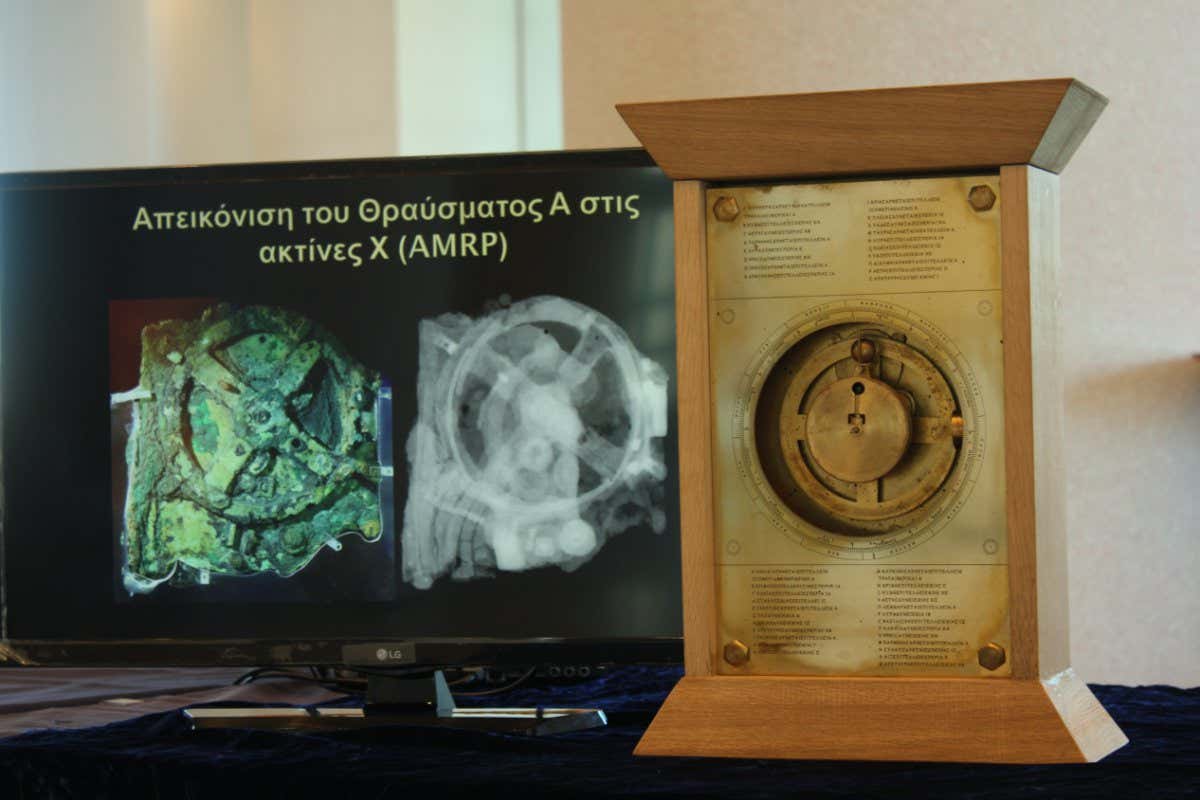
The FRAMe Project functional model in comparison to the Fragment A visual and the AMRP X-Ray images. The central large gear-b1 with the four arms is visible. The Fragments of the Mechanism are exhibited in National Archaeological Museum of Athens, Greece.

Ancient computer may have had its clock set to 23 December 178 BC

7 April 2022

The Antikythera mechanism, often called the world’s first computer could calculate the timing of cosmic events – and now we may know the date it was calibrated to


Atacama desert Chile; Shutterstock ID 522879949; purchase_order: -; job: -; client: -; other: -

Ancient Chilean tsunami scared local people away for 1000 years

6 April 2022

A tsunami 3800 years ago devastated the coastline of Chile and encouraged hunter-gatherers to move inland, where they stayed for the next 1000 years


Sign up to our weekly newsletter

Receive a weekly dose of discovery in your inbox. We'll also keep you up to date with New Scientist events and special offers.

Sign up
Piano Exit Overlay Banner Mobile Piano Exit Overlay Banner Desktop