
Men and women's hands can be distinguished just from their scent
5 July 2023
Scent compounds released by your hands can be used to determine gender, which may be useful in figuring out information about crime scenes
5 July 2023
Scent compounds released by your hands can be used to determine gender, which may be useful in figuring out information about crime scenes
28 June 2021
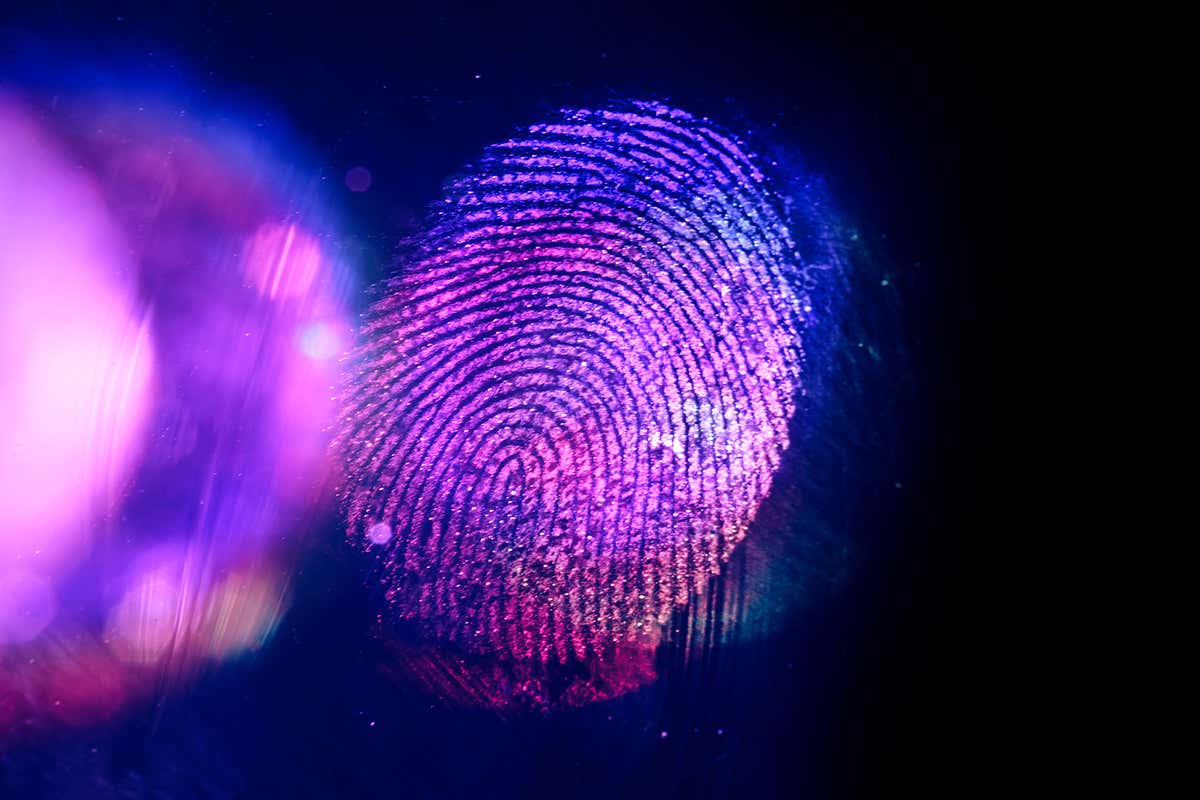
An AI that can repair blurred or distorted images of fingerprints lifted from crime scenes could make identifying people easier, but it is unclear whether such evidence would stand up in court

3 September 2020
Botanists are teaming up with forensic anthropologists to work out whether there are detectable changes in the appearance of trees and shrubs growing near decomposing bodies
29 May 2020
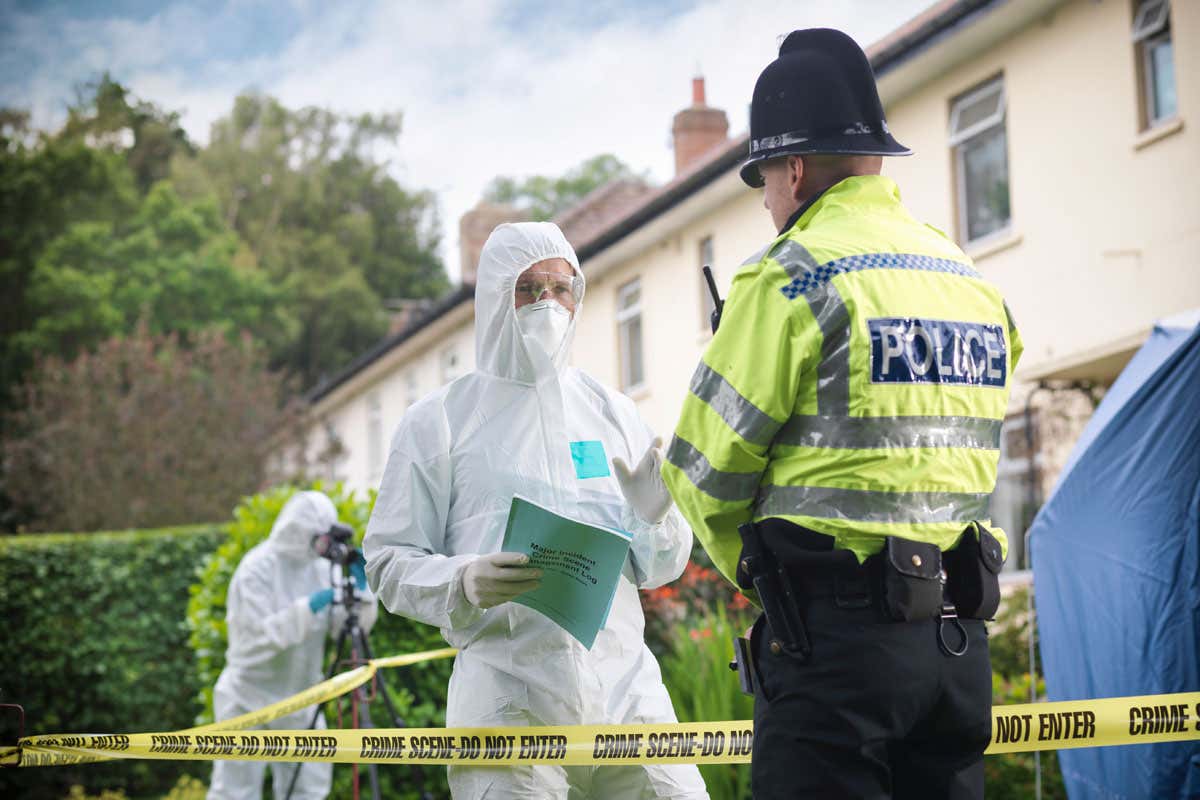
Forensic scientists currently use basic temperature measurements to determine time of death, but a 3D simulation of the entire body could give much more accurate estimates
6 February 2020
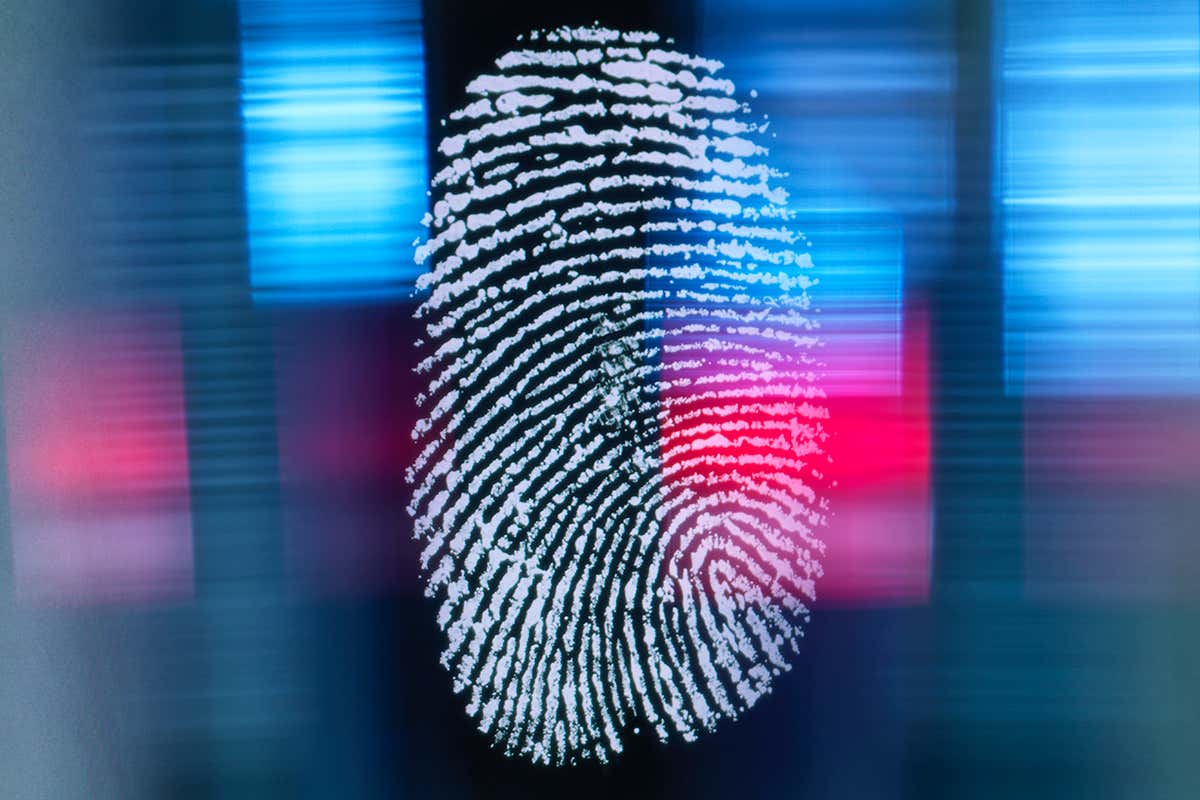
A person who has ingested cocaine will excrete a compound that can be detected from a single fingerprint, even if they have washed their hands

22 January 2020
People who have a knack for recognising faces are also good at recognising voices, a skill that could be useful for police surveillance operations
3 July 2019
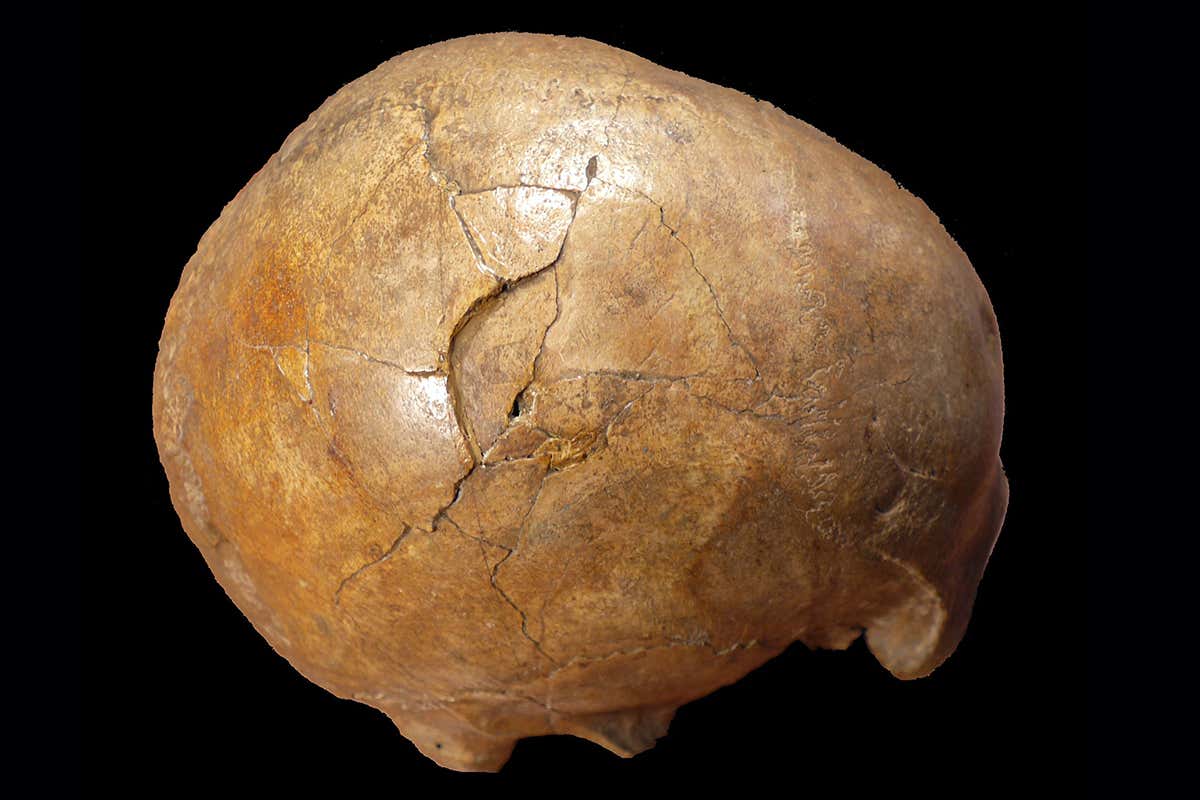
A forensic analysis of a 33,000-year-old skull finds a clear explanation for the mysterious pattern of fractures preserved in the bone: it was murder
13 May 2019
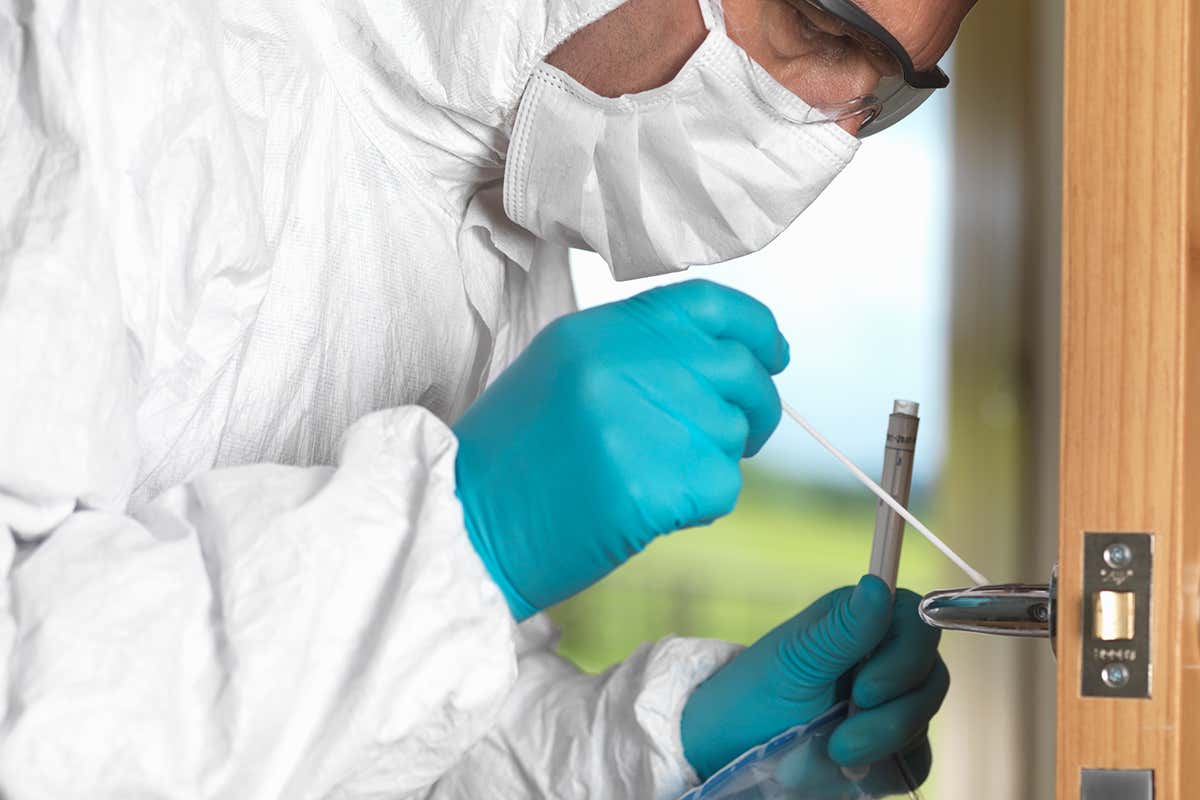
Forensic investigators may be able to use a suspicious stain’s microbiome to determine its origin, even after a month of being exposed to air

22 January 2019
Adolf Hitler's deputy flew to Scotland in 1941 and was imprisoned for the rest of his life. But was the man in Spandau really Rudolf Hess? Now a DNA test has revealed the truth
11 October 2018
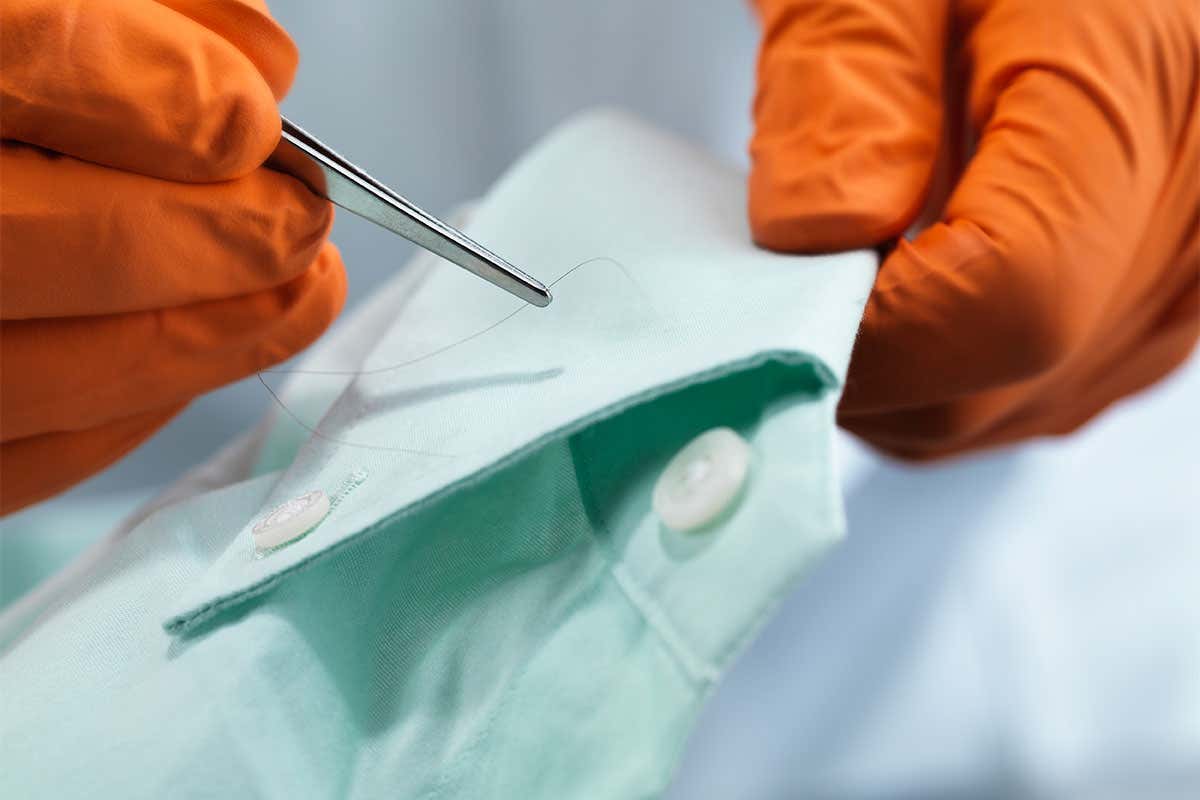
Consumer genetic databases are becoming powerful tools for identifying criminals, and a new technique could link you to forensic data held by US police
