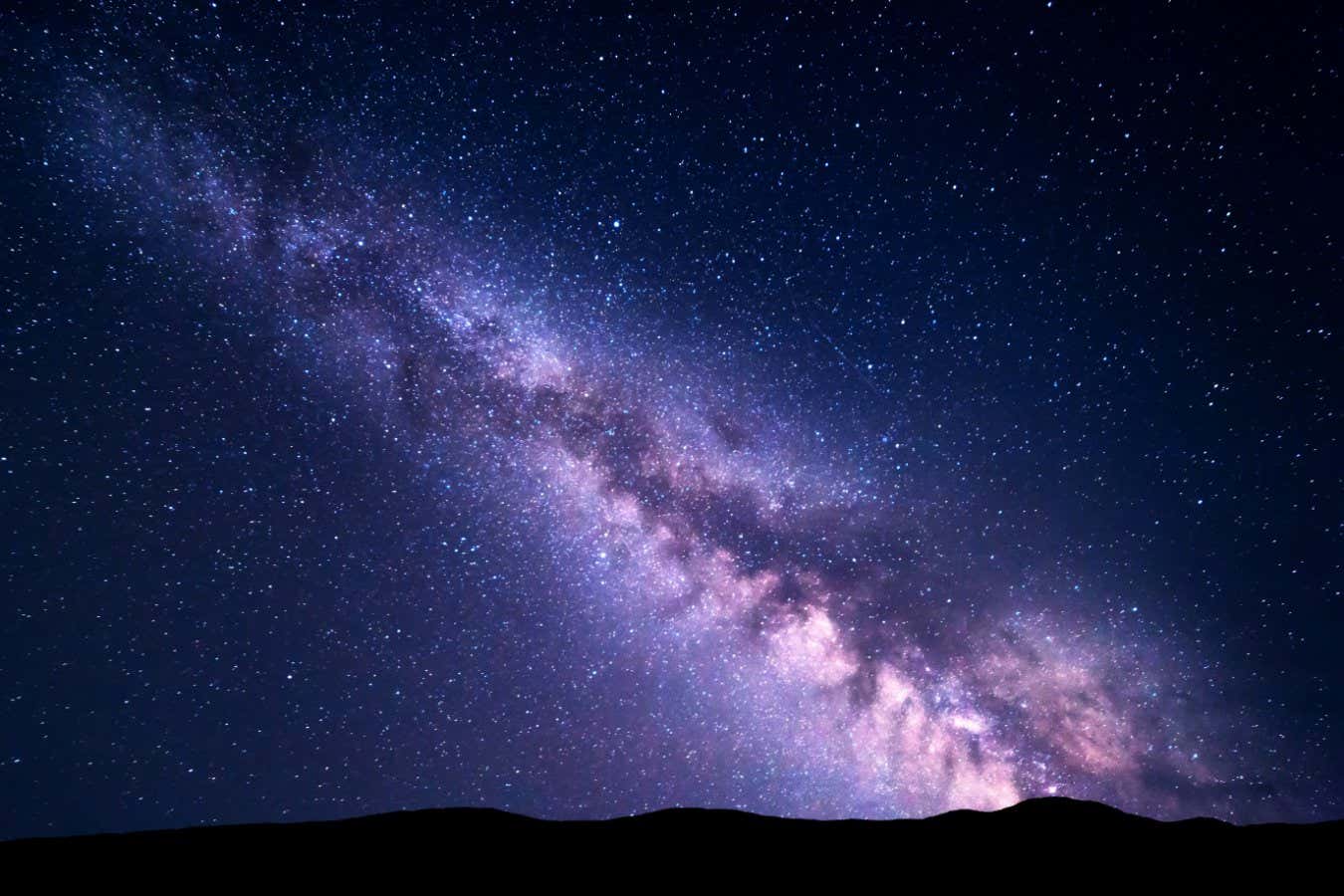
IceCube detector finds neutrinos from the Milky Way for the first time
29 June 2023
A neutrino detector in Antarctica has found heaps of high-energy neutrinos coming from distant galaxies, but none from within our own – until now
29 June 2023
A neutrino detector in Antarctica has found heaps of high-energy neutrinos coming from distant galaxies, but none from within our own – until now

6 March 2023
A water-based detector has been used to spot antineutrinos from nuclear reactions hundreds of kilometres away. It could be used to monitor distant nuclear activities
3 November 2022
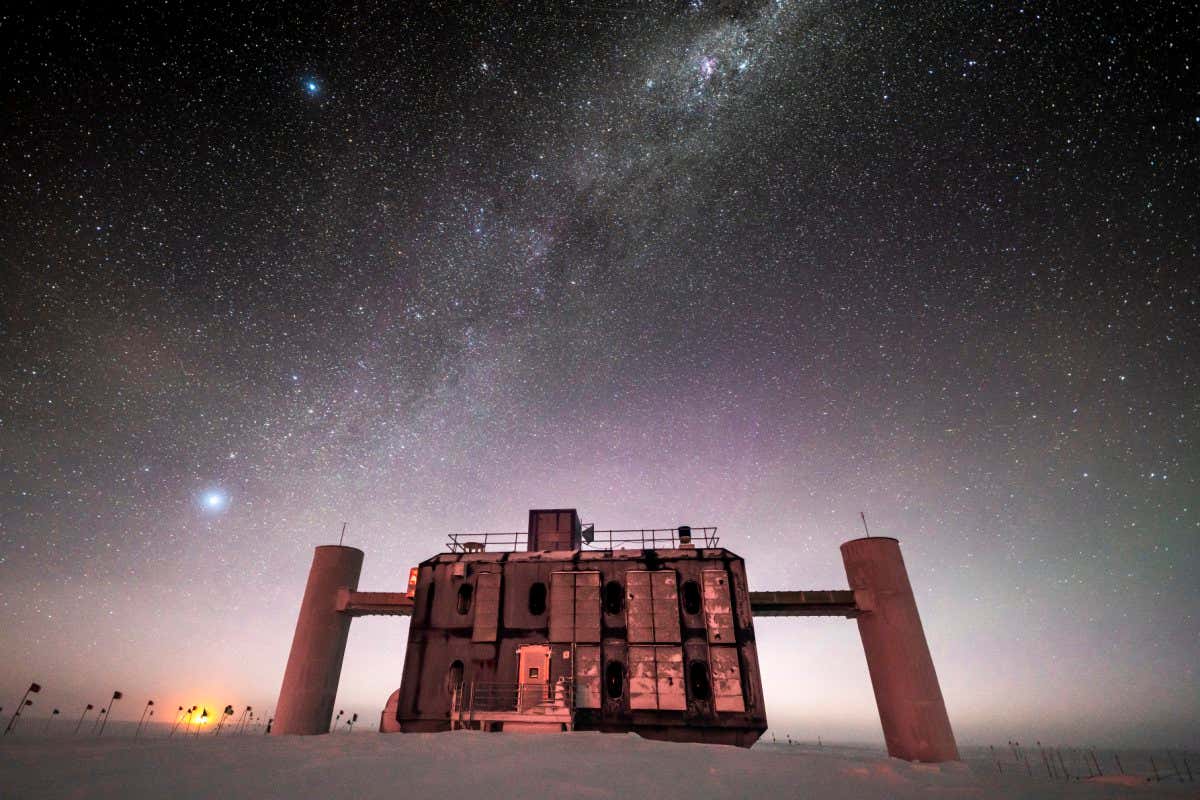
Cosmic neutrinos are tough to track – it has only been done once before – but researchers from the IceCube observatory in Antarctica have tracked 79 of them back to their home galaxy
26 October 2022
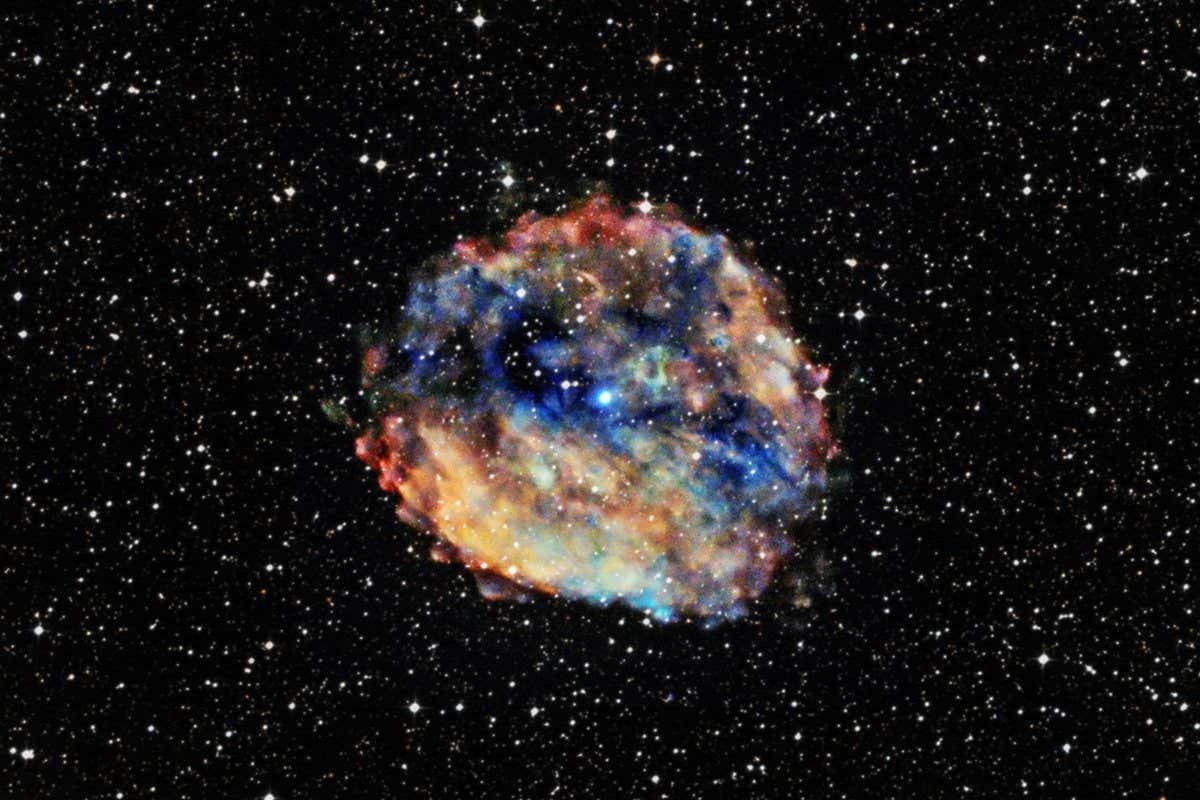
Neutron stars cool down by emitting neutrinos. A mathematical model now suggests the neutrinos come out in focused beams rather than a uniform emission

10 May 2022
Neutrinos from the early universe have never been detected directly but a device that uses the atom-thick material graphene might be able to change that
27 October 2021
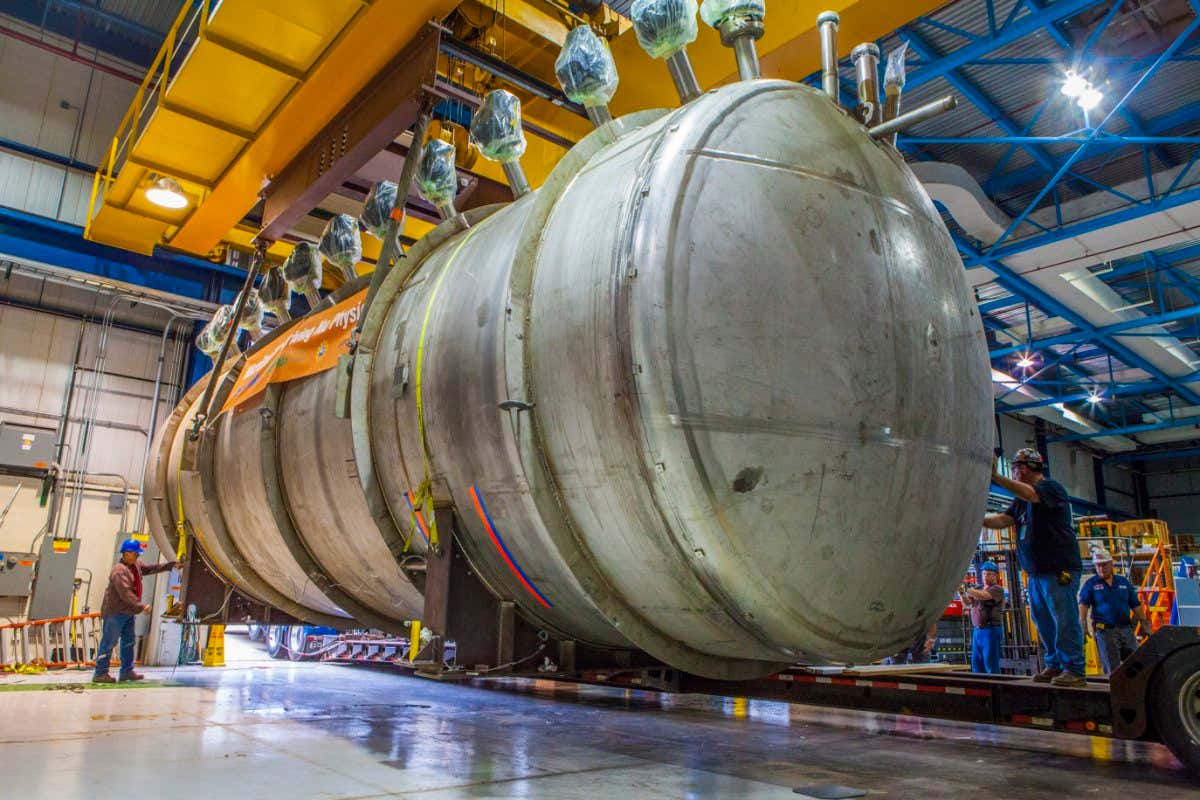
After decades of looking, physicists are no closer to discovering theorised particles that could help solve ongoing problems in physics
22 February 2021
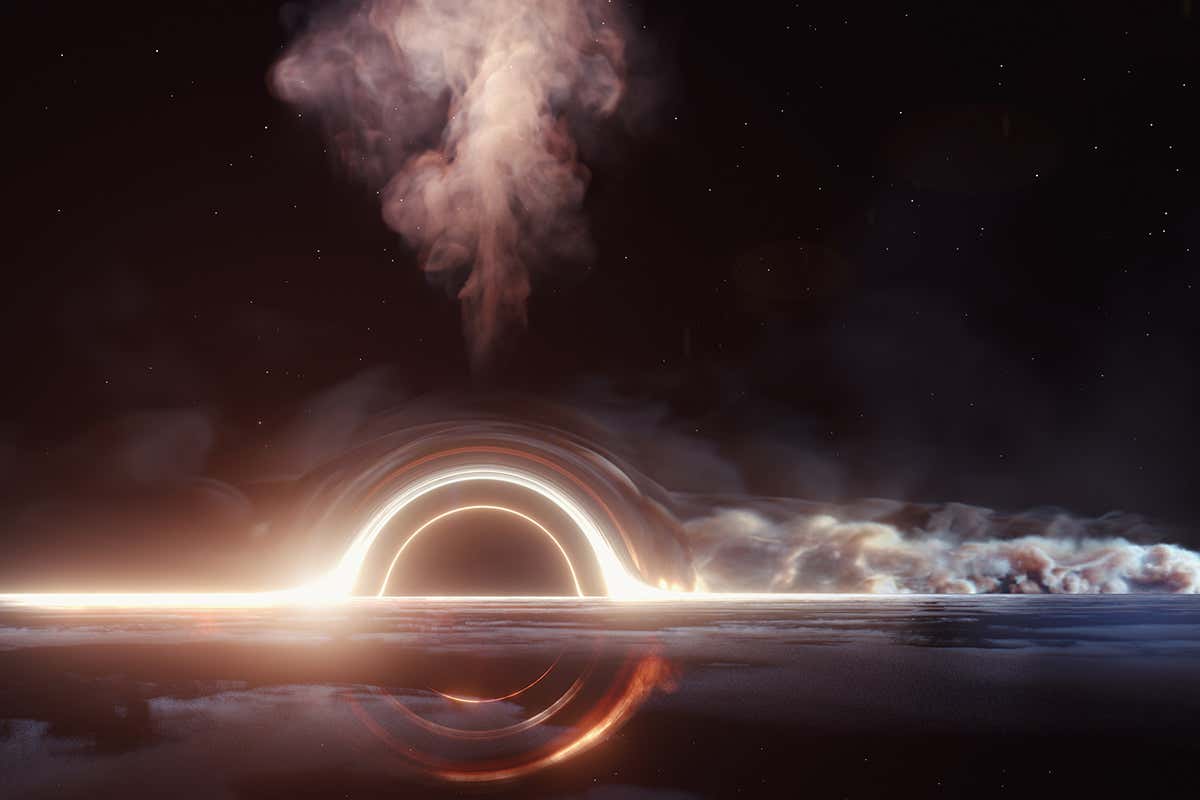
For the first time, researchers have detected a high-energy neutrino emitted when a black hole ripped up a star, confirming these cataclysmic events act as particle accelerators
15 April 2020
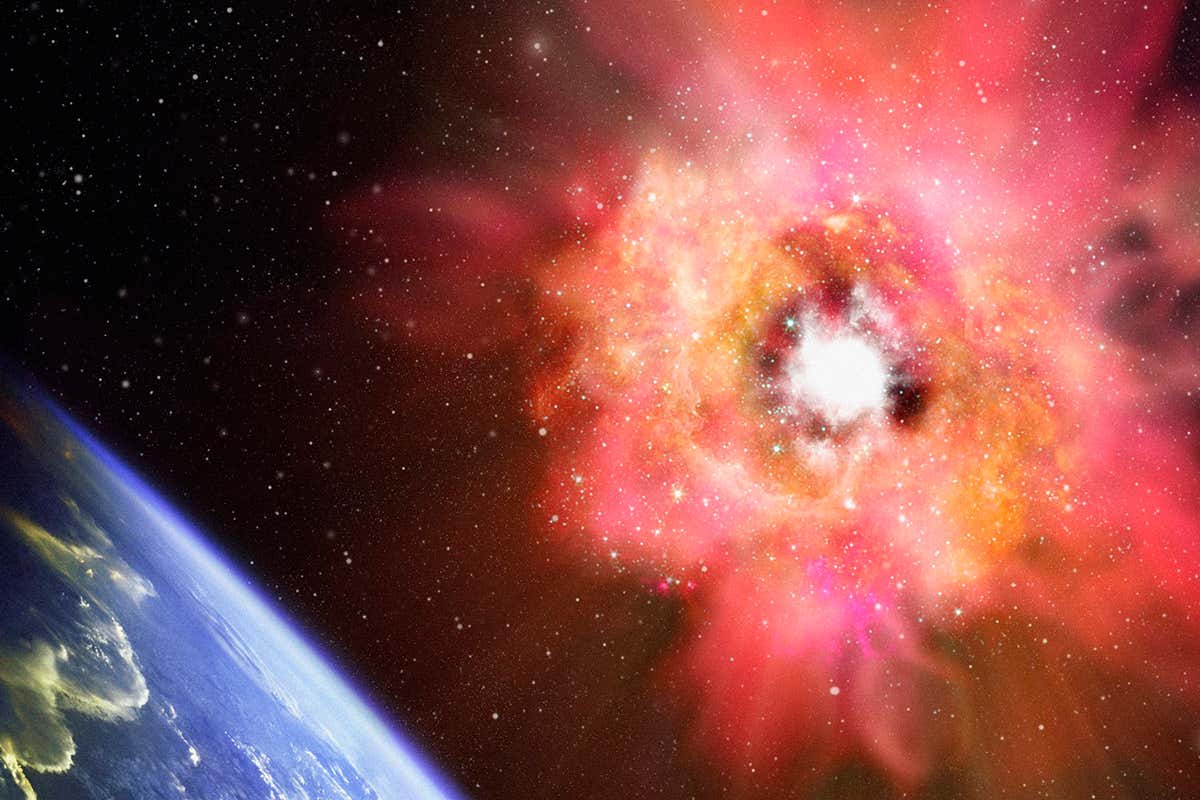
For the universe to exist as it does now, there must have been an imbalance between matter and antimatter early on, which may have been caused by neutrinos
6 March 2020
In the early universe, particles called neutrinos had a starring role in determining where galaxy clusters formed and which elements were created when stars exploded
14 January 2020
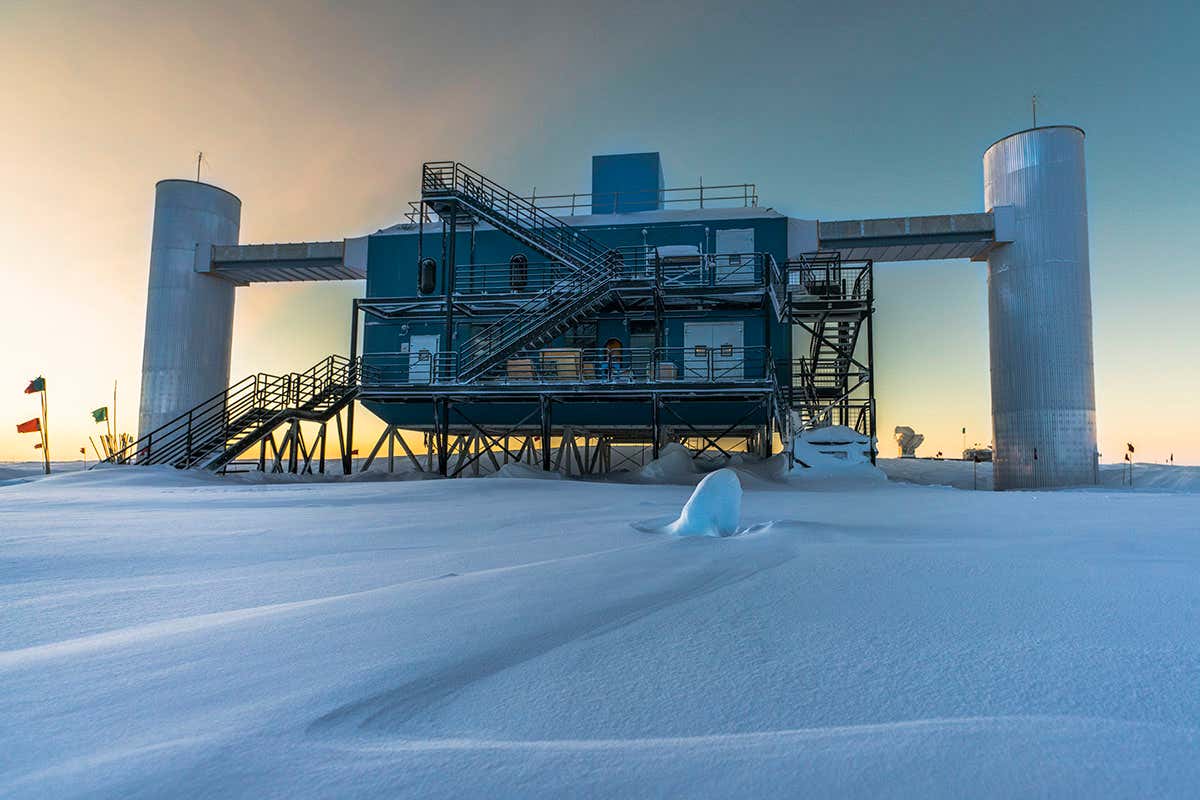
A NASA science balloon picked up two high-energy particles and a new analysis reveals that they can't be explained by the standard model of particle physics
