Subscribe now
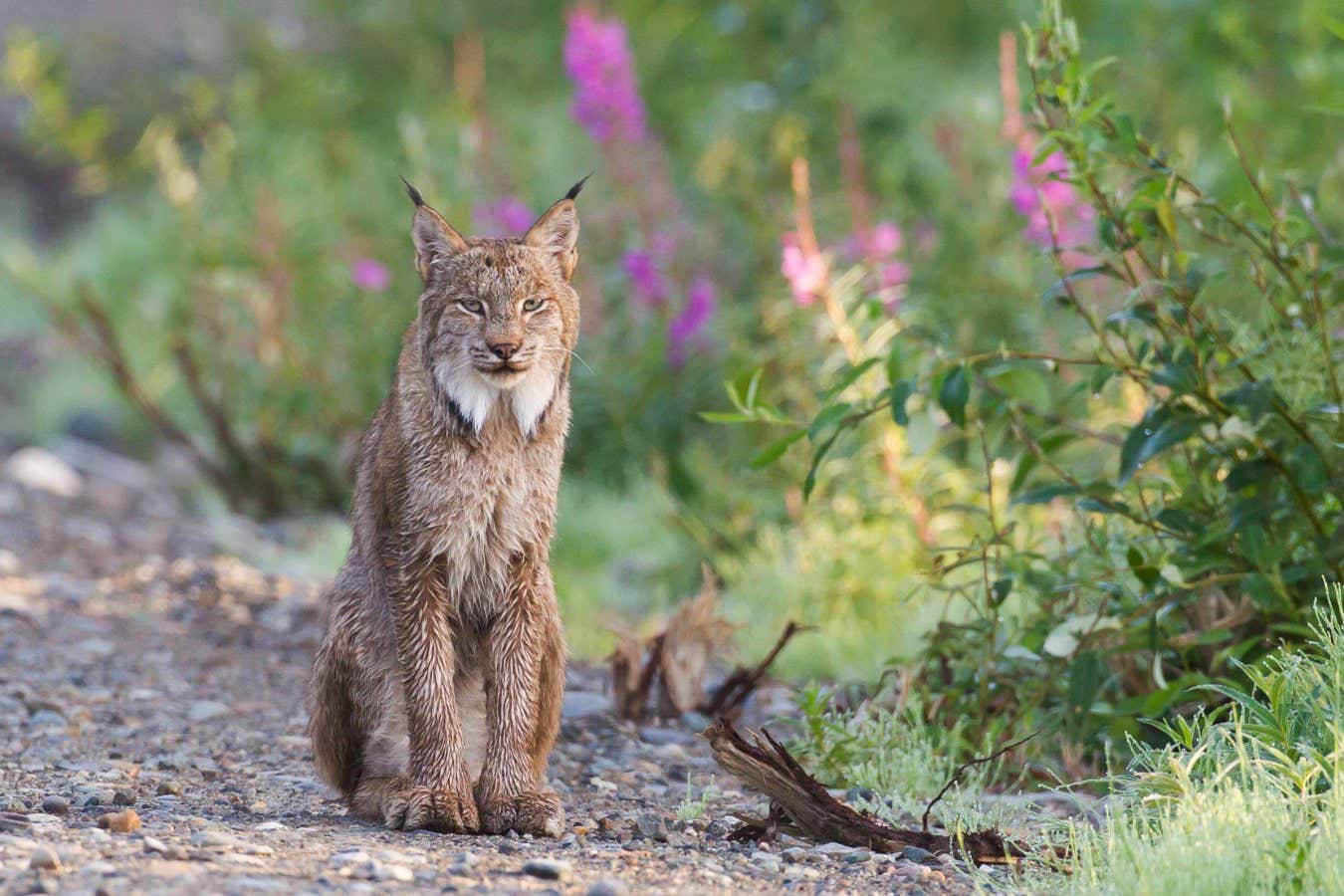
early summer morning Canadian Lynx (Lynx canadensis) in Whitehorse, Yukon, Canada; Shutterstock ID 1566601432; purchase_order: -; job: -; client: -; other: -

Wildfires have drastically reduced lynx habitat in Washington state

25 April 2023

Twenty years of wildfires have cut down habitats and prey crucial to lynx in the north-west US, slashing the maximum number of cats that the region can support by up to 73 per cent
Restoring just nine groups of animals could help combat global warming

27 March 2023

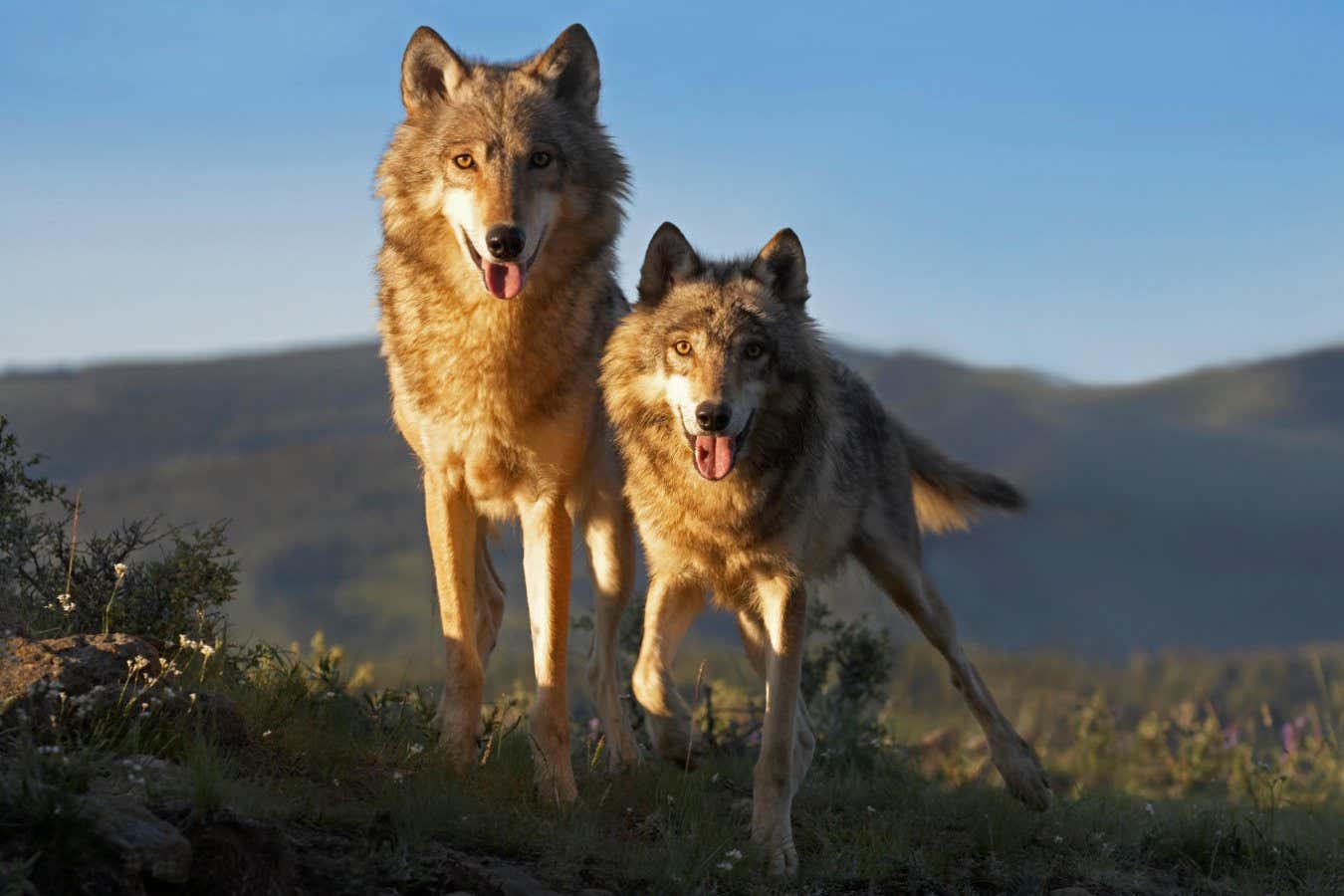
Protecting or expanding the populations of nine key groups of animals, including wolves and whales, would remove huge amounts of carbon from the atmosphere


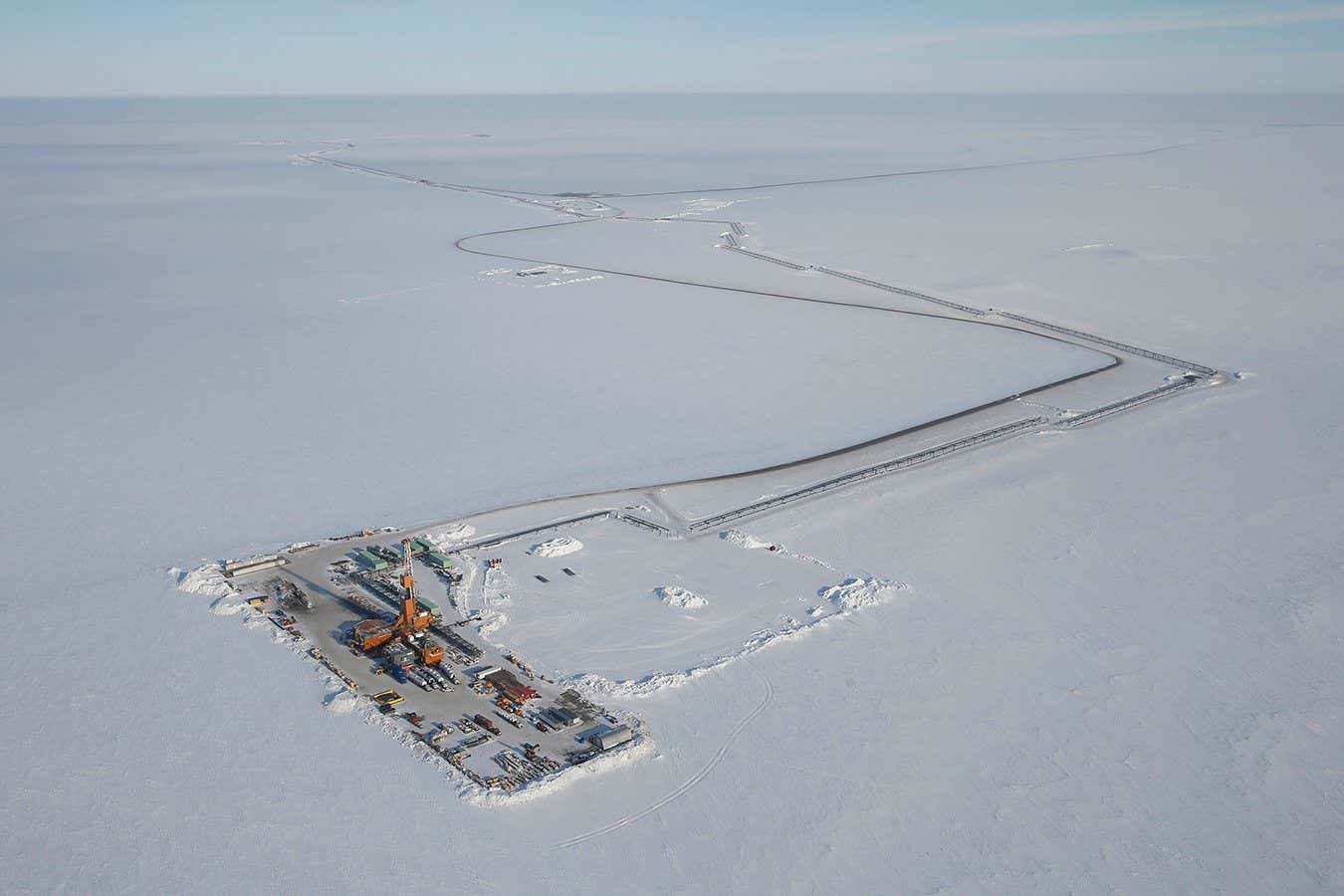
US approves controversial Willow oil drilling project in Alaska

14 March 2023

The hotly debated Willow oil drilling project has been approved in Alaska, a decision that could exacerbate climate change and imperil wildlife


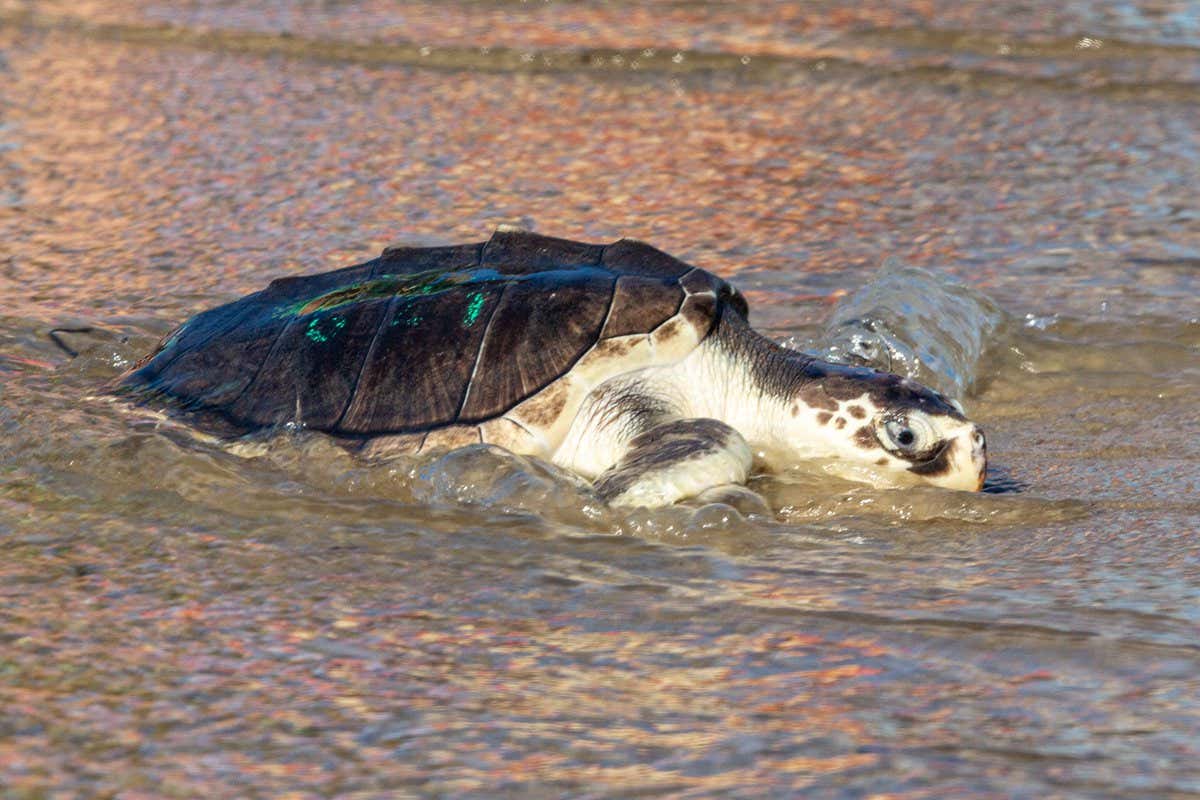
A Kemp's ridley sea turtle makes its way to the ocean on June 29, 2022, at West Dennis Beach in West Dennis, Massachusetts after eight months of rehabilitation at the New England Aquariums sea turtle rehabilitation center in Quincy. - Over 500 were found on the shores of Cape Cod cold-stunned in November and December of 2021. (Photo by Lauren Owens Lambert / AFP) (Photo by LAUREN OWENS LAMBERT/AFP via Getty Images)

Sea turtle strandings on the US east coast have increased drastically

27 February 2023

The number of cold-stunned sea turtles washing up on Cape Cod in Massachusetts has increased from dozens to hundreds within four decades


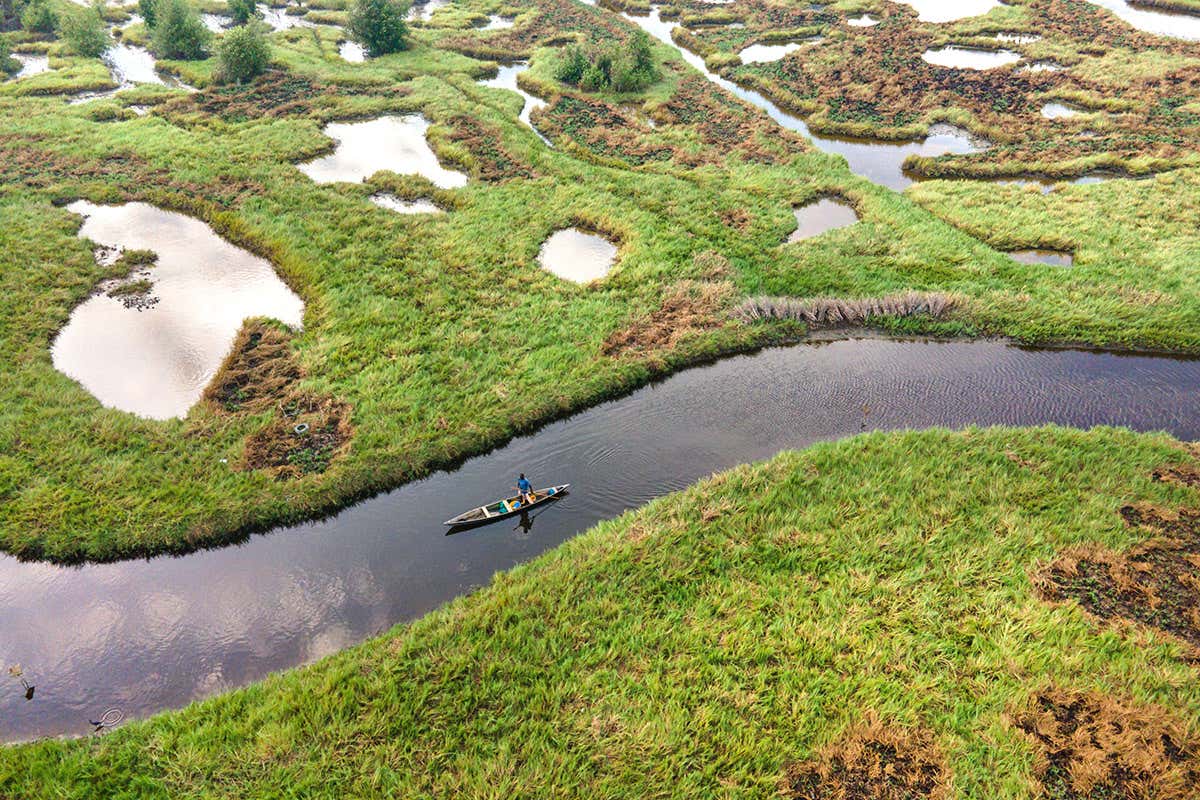
river

UN plan would protect 30% of oceans and land to stem extinctions

12 July 2021

Nearly a third of the world’s oceans and land should be protected by 2030 to stem extinctions and ensure humanity lives in harmony with nature, 195 countries say in a proposed UN plan


Lockdown is a unique chance to see how human activity affects wildlife

Lockdown is a unique chance to see how human activity affects wildlife

22 July 2020

Rewilding efforts have been emboldened by the sudden cessation of everyday life during the coronavirus pandemic. Scientists are seizing the opportunity to learn how best to support our wildlife, says Graham Lawton


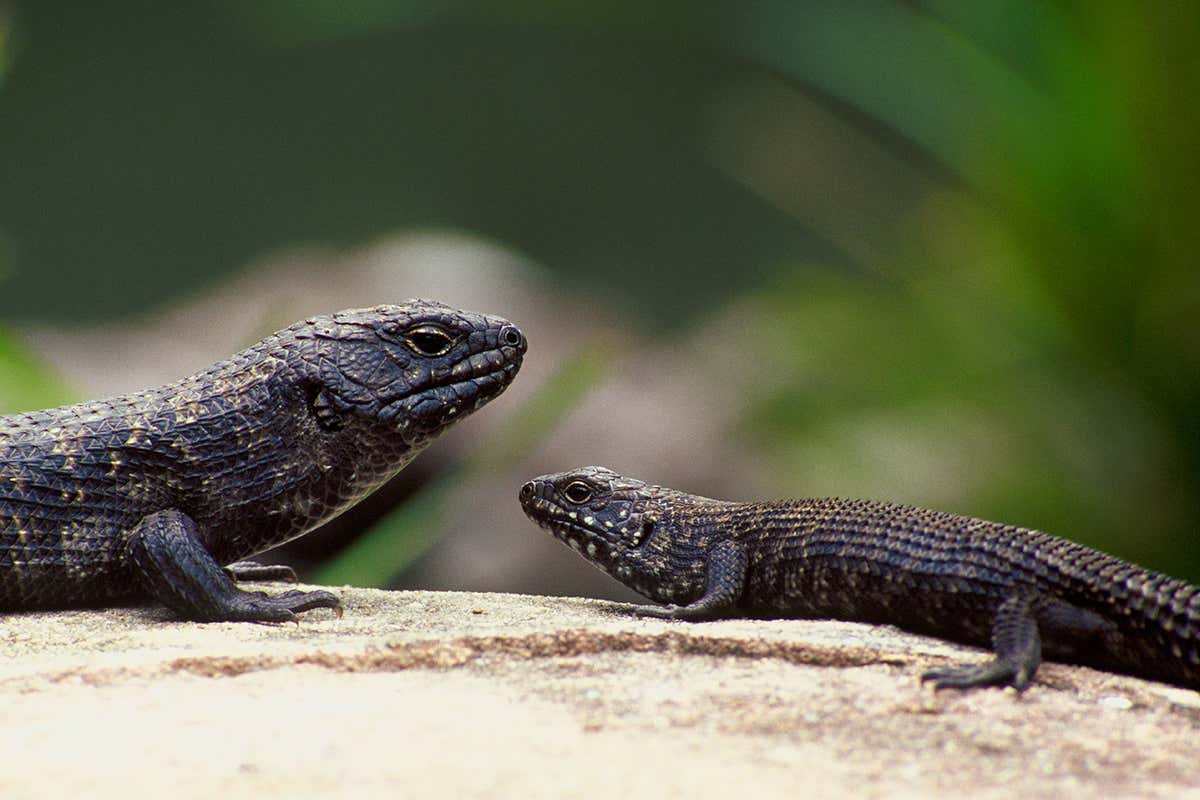
Cunningham's skinks

Australia’s wildfires killed 90 per cent of small ground-based animals

23 June 2020

One of the first wildlife surveys conducted after Australia’s recent extreme wildfires found almost no small ground-dwelling animals left in fire-ravaged areas


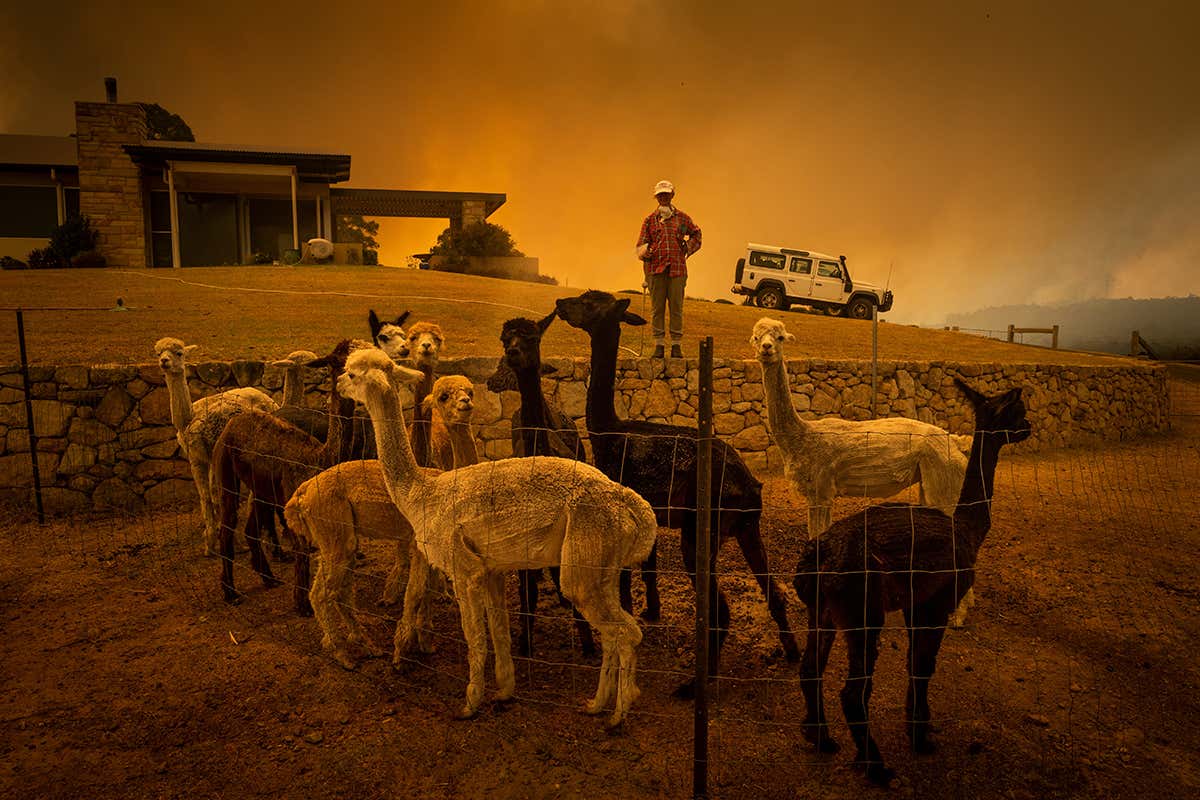
Australian livestock

Australian government report predicted severe wildfires 11 years ago

8 January 2020

A 2008 report commissioned by the Australian government predicted that climate change would cause the fire season to start earlier and be more intense after about 2020


Penguins

Emperor penguins could go extinct by 2100 if we fail on climate change

7 November 2019

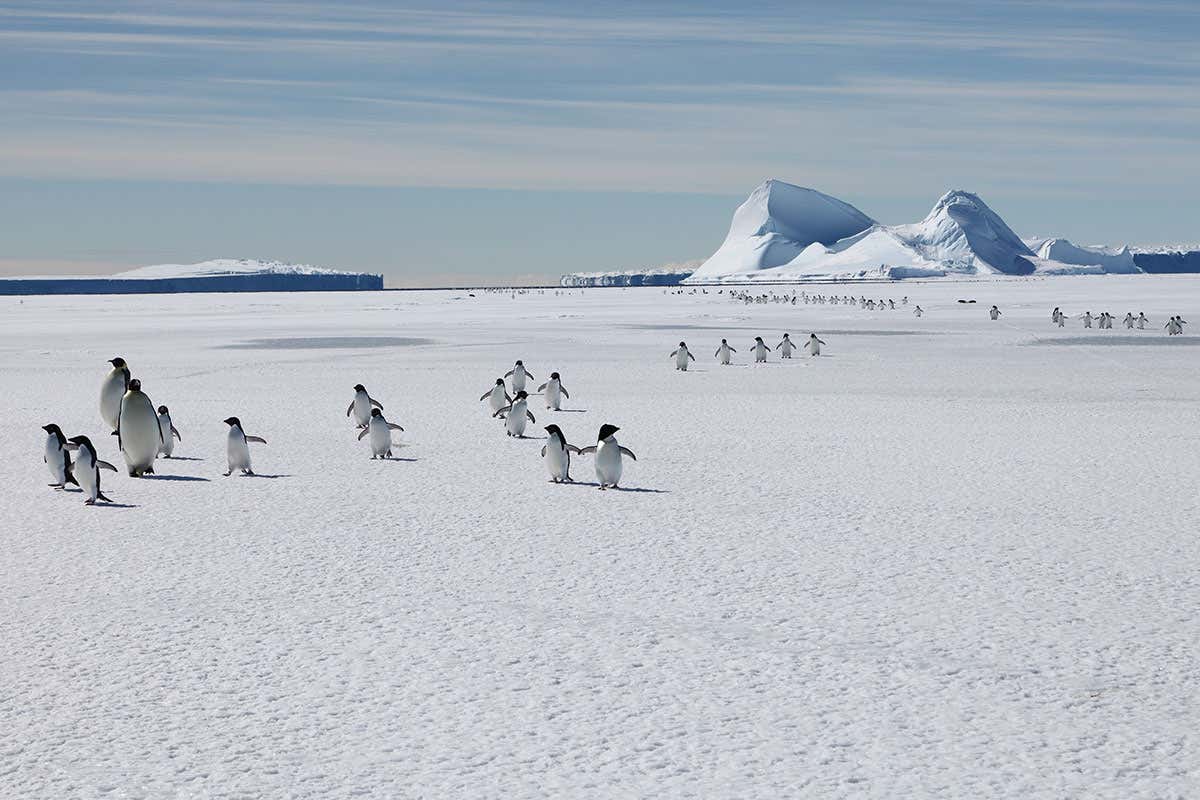
Emperor penguins could become extinct if we don't tackle climate change, but if we limit temperature rises to 1.5°C, then the decline could be less than a third


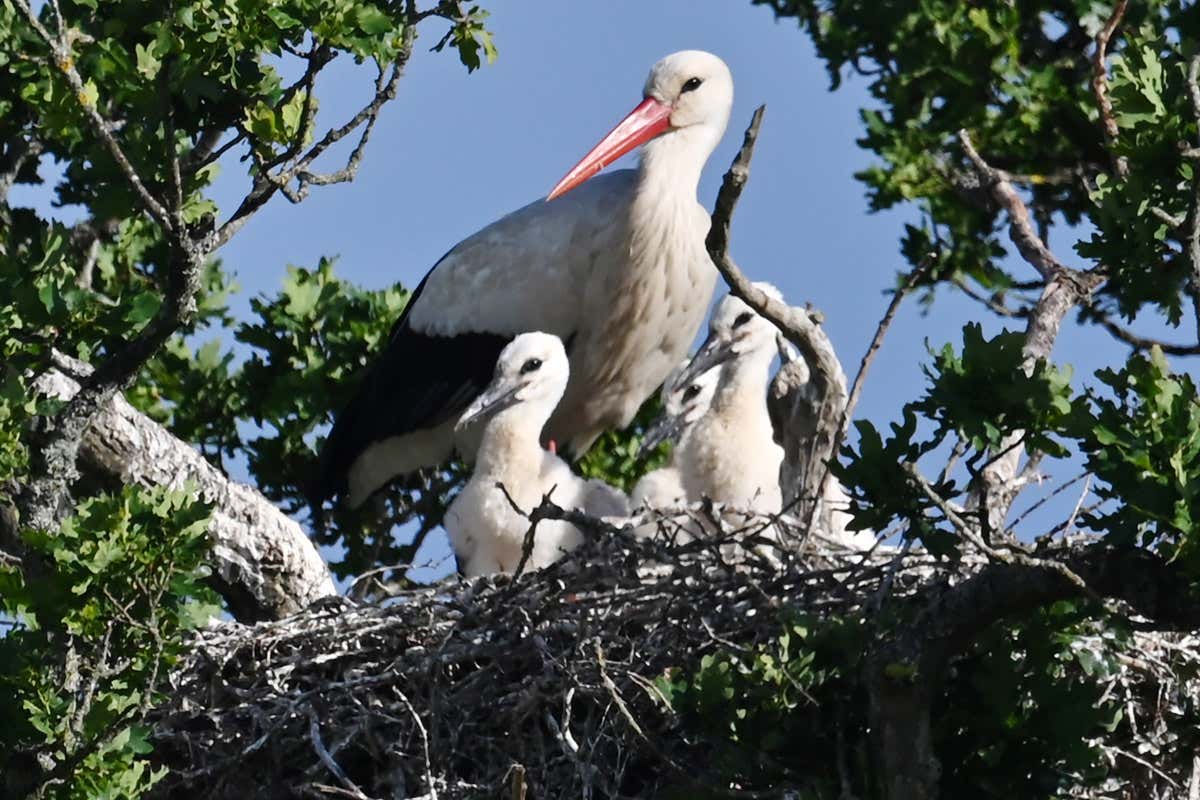
wren

Climate change has created more bird winners than losers in England

2 September 2019

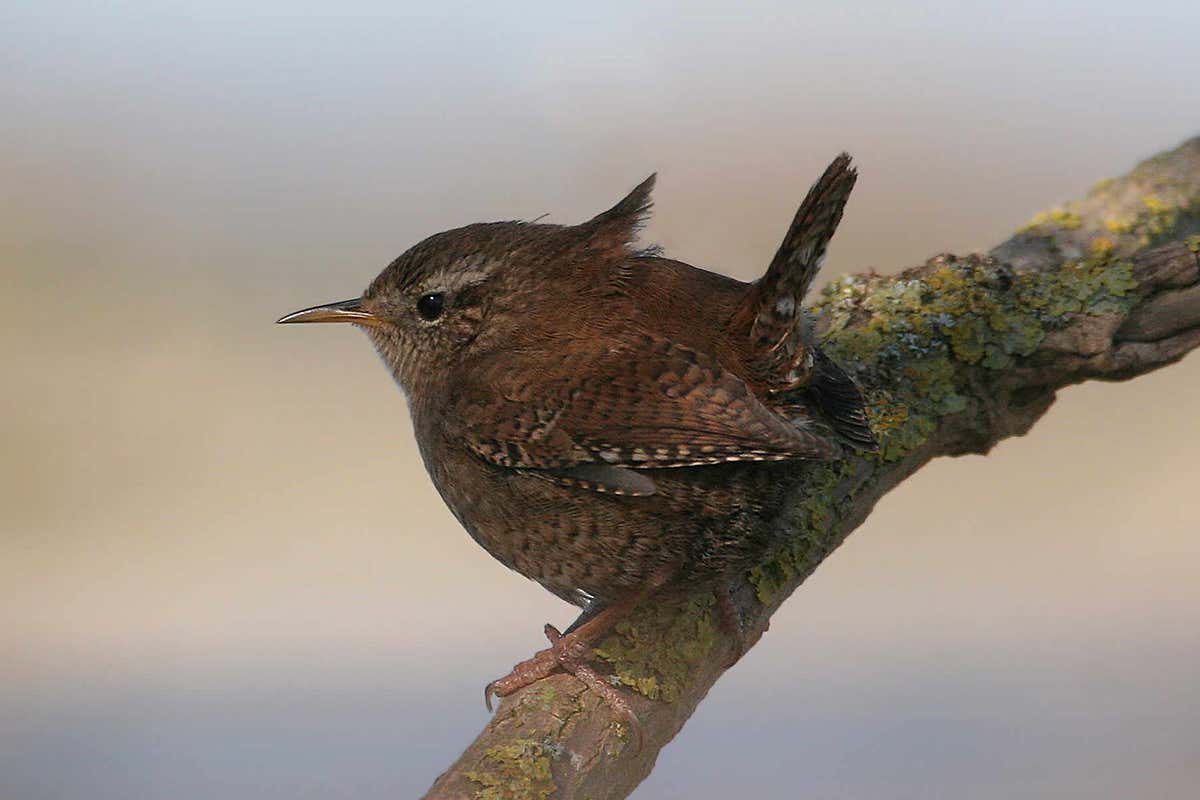
Of 23 bird species in England affected by climate change over the past 50 years, 19 have seen a positive effect, including wrens, long-tailed tits and egrets


Sign up to our weekly newsletter

Receive a weekly dose of discovery in your inbox. We'll also keep you up to date with New Scientist events and special offers.

Sign up
Piano Exit Overlay Banner Mobile Piano Exit Overlay Banner Desktop